Monsoon CEO: high streets will pay the price for mishandled jobs reform

Retail supports better pay and conditions for employees, but with labour costs rising and declining footfall, a poorly implemented Employment Rights Act will do harm than good, says Nick Stowe
You might not have thought it, but we are seeing some of the best retail ever emerging in parts of the UK, from major shopping centres to destination high streets.
If you want reassurance that retail is alive and well, spend an afternoon at Westfield in White City. From luxury brands to everyday value, from fashion to homewares, it feels less like a shopping centre and more like a small city. Surrounded by new homes and offices, this thriving hub has been central to the regeneration of the area.
At Monsoon and Accessorize, we are proud to be investing in communities, opening between 10 and 15 new stores each year. But we are also closing stores where the sums no longer add up – a decision we never take lightly.
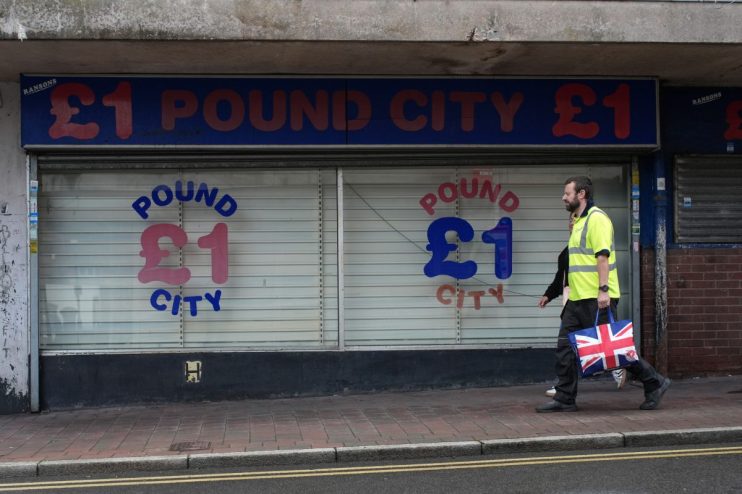
For every thriving destination, there are other city centres and local high streets in need of rejuvenation where footfall has stagnated. In those locations, successive cost pressures – from higher National Insurance contributions to rising wage bills and business rates – have made it increasingly difficult to sustain stores.
As employment costs rise, hiring decisions inevitably become harder. In the last year alone, employing a full-time entry-level worker rose by around 10 per cent and by more than 13 per cent for part-time roles. For 18 to 21-year-olds, the increase has been even steeper – around 21 per cent.
We’ve already been seeing the impact of rampant cost pressures playing out across the sector.
The retail industry has shed 250,000 jobs over the past five years. That’s 250,000 opportunities disappearing: first jobs not offered, flexible roles reduced and hours trimmed back. When margins are tight and costs continue to climb, recruitment is one of the first pressures businesses feel forced to ease.
That is why the implementation of the Employment Rights Act matters so much.
Its ambitions – to provide better worker protections and decent, well-paid jobs are right, and something I know retail stands behind. But the unintended consequences are the risk for retail and other sectors.
Rising labour costs
Layered on top of rising labour costs, falling footfall – with latest BRC data showing a 4.7 per cent year-on-year drop in February – and already fragile margins, poorly calibrated reform risks further squeezing job creation at precisely the wrong moment.
Retail has long provided the first step into employment for many. One in five UK adults say their first job was in retail. It offers entry-level roles, progression and flexible hours that fit around study, school runs or caring responsibilities.
That flexibility is not incidental, but fundamental.
The Act risks applying rigid contract requirements that would make it difficult to flex working hours to meet the seasonal demand inherent in retail
The Act risks applying rigid contract requirements that would make it difficult to flex working hours to meet the seasonal demand inherent in retail. In a sector where trading patterns shift week to week and peak sharply at certain times of year, that flexibility is essential to sustaining jobs.
Those same contract requirements would also prevent the flexibility that attracts many employees, often people fitting work around school, family and caring responsibilities, working part time when they can. The flexibility they demand is not insecurity, and rigid contracts are not what they are asking for. If we remove that balance, we risk reducing opportunities rather than expanding them.
At a time when youth unemployment is already high, that would risk making a bad situation worse. The British Retail Consortium’s latest survey shows 84 per cent of retail finance leaders rank labour costs among their top concerns, with nearly 70 per cent pessimistic about the year ahead.
There are sensible ways to deliver reform – targeting genuine abuse by unscrupulous employers using very low-hour contracts, allowing longer reference periods that reflect seasonal demand, and properly engaging employers as the secondary legislation is developed.
Retail wants to work constructively with government to ensure we target those who abuse the system, while making sure policy reflects the economic realities businesses are facing.
If we get this right, we will have a once-in-a-generation opportunity to strengthen worker rights whilst enabling retailers to continue investing, regenerating communities and creating opportunity across the country.
At Monsoon and Accessorize, we are proud of the roles we create – offering those first employment opportunities, flexible work for parents and long-term careers for those who grow with us.
But if employment reform is mishandled, it will not be the flagship shopping centres that feel the strain first. It will be the smaller towns and local high streets already on the edge – and the communities they support will pay the price.
Nick Stowe is CEO of Monsoon and Accessorize