London’s Innovators Call for Investment and Regulation to Sustain the Capital’s Heart

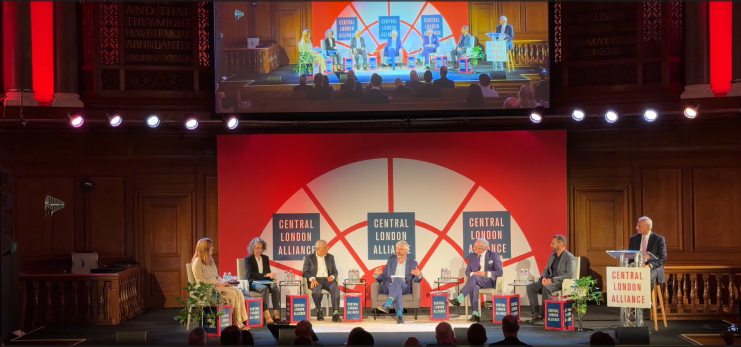
At the London – Opportunities and Obstacles for Growth event hosted by Central London Alliance CIC, leading voices from retail, culture, and entertainment came together to explore the city’s evolving creative and economic landscape. Chaired by Christian May, Editor-in-Chief of City A.M., the panel featured Charlotte Fletcher, founder of CLF Solutions , Gareth Hughes, Partner, Keystone Law, Alice Black, CEO and founder of ArtULTRA, Mihir Bose Author and Journalist, and Cary Sawhney MBE, CEO and Artistic Director of the London Indian Film Festival, who discussed the opportunities and challenges facing London’s cultural and retail sectors – from regulatory complexities and investment gaps to the need for placemaking, cultural funding, and global collaboration to sustain the capital’s creativity and economic vitality.
Together, these industry leaders explored the current state of London’s retail, cultural, and entertainment landscape, painting a nuanced picture of the city’s economic and social climate. The wide-ranging conversation underscored both London’s resilience and the challenges it faces, calling for stronger policy coordination, increased investment in culture, and renewed confidence in the capital’s global position.
Charlotte Fletcher, founder of CLF Solutions and a seasoned expert in managing major shopping centres, opened the discussion by describing the retail sector as being in flux. Retail today must focus on convenience, experience, or ideally both, she explained. With transactional convenience increasingly moving online, physical spaces now need to prioritise immersive, experience-driven destinations. Liberty stands out as a leading example, but Fletcher emphasised the need for more such destinations across London. She also highlighted the importance of placemaking, creating developments with a strong sense of identity and community, as a cornerstone of successful urban regeneration. Citing King’s Cross and Coal Drops Yard as models, she noted that when property, culture, and community align, the results can be transformative, though such changes “take time to bed in.”
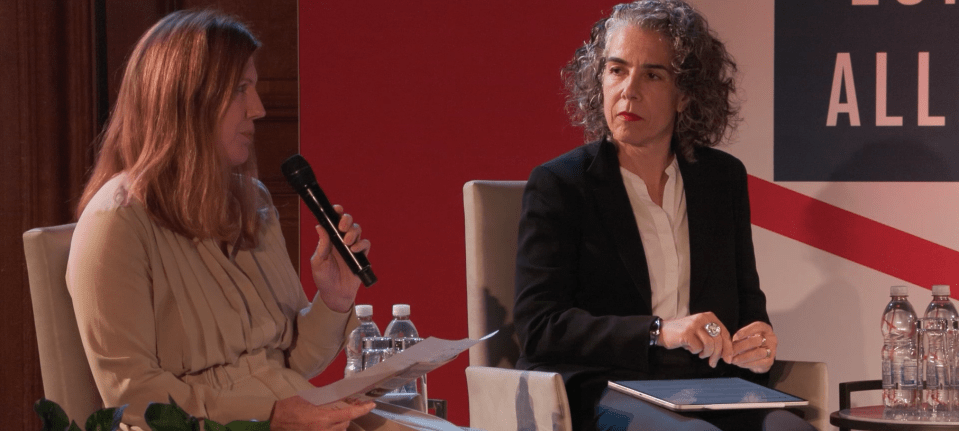
Alice Black, CEO and founder of ArtULTRA, highlighted the impact of the departure of high-net-worth individuals from London on the culture sector. “Wealthy people have traditionally supported the arts, and many are no longer here in the UK,” she noted. Her remarks underscored the ongoing challenges facing London’s cultural sector, which has long depended on philanthropic support from affluent patrons. Black stressed the need for sustained investment, innovative funding models and renewed public engagement to ensure the city’s creative institutions continue to flourish.
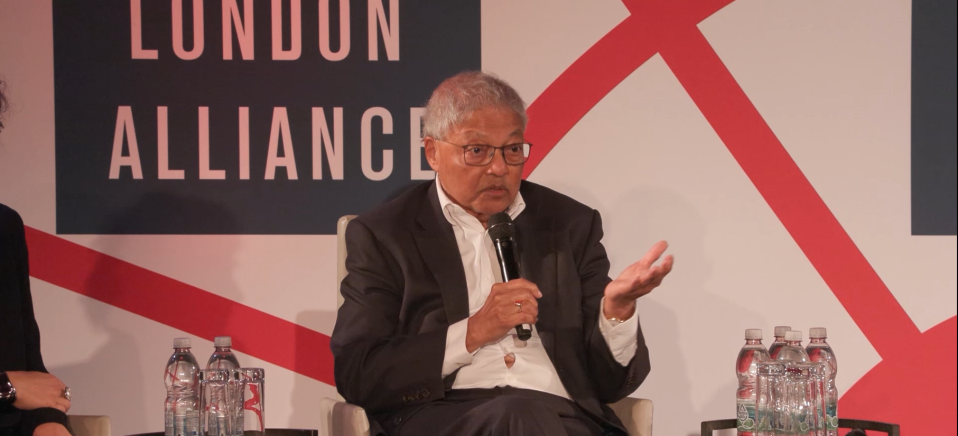
Reflecting on London’s legacy, the panel compared the city’s current moment to the 2012 Olympics, which showcased its unity and innovation. “London must rediscover that spirit,” said Mihir Bose, Author and Journalist. “We are not a city in decline — we are a ‘city-state’ with a unique cultural, economic, and historical identity, and we need to celebrate that with pride.”
Panellists agreed that London’s diversity, creativity, and cultural richness remain its greatest assets, while stressing that confidence, collaboration, and supportive government policies are vital to sustaining the city’s growth and maintaining its global influence. Events such as London 2012 and other sporting, musical and art events including the Taylor Swift concerts and Frieze Art fair have multiple positive impacts, but industrial action which cause cancellation and postponement hurt London economically, culturally and reputationally.
Gareth Hughes, Partner, Keystone Law, offered a frank assessment of London’s regulatory landscape. “With 32 boroughs each applying different, often contradictory policies, the cumulative effect is stifling investment and creativity, particularly in nightlife,” Hughes explained. He pointed to cases where businesses secured planning permission for regeneration projects, only to face licensing refusals, calling the system “two parallel rails that never meet.”
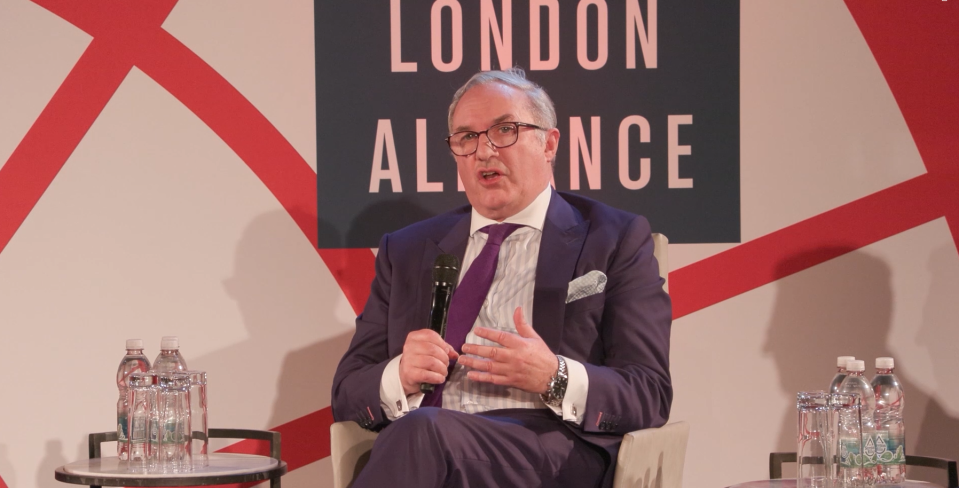
Hughes argued that reforming and harmonising licensing and planning regulations could unlock billions in stalled investment and help retain creative operators in the city rather than driving them abroad.
Cary Sawhney MBE, CEO and Artistic Director of the London Indian Film Festival, highlighted a note of optimism from the film sector, pointing to strong audience turnout at the London Indian Film Festival and increasing international production investments. “London’s film ecosystem is evolving,” he said. “Cinemas are reinventing themselves with immersive, event-style screenings, while major Indian studios are bringing new productions to the UK, creating thousands of jobs across costume, production design, and post-production.”
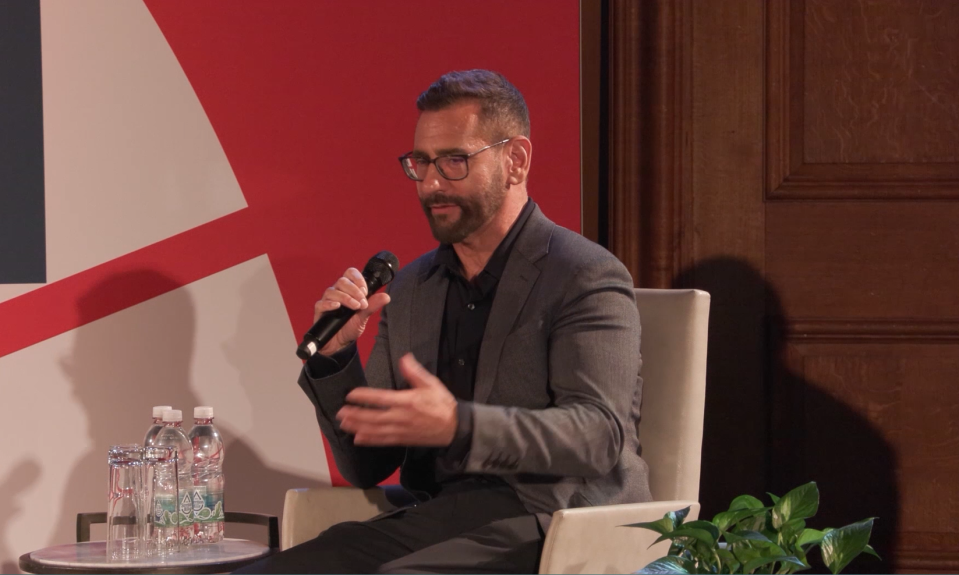
Sawhney emphasised that cultural exchange between Britain and India continues to drive inward investment and enhance soft power diplomacy. “This is how London maintains its creative edge, through global collaboration,” he added.
The panel also addressed the financial pressures facing London’s museums, galleries, and arts institutions. “We’re losing many of the wealthy patrons who once supported the arts, and government funding has declined. Fundraising is more challenging than ever,” the discussion noted. Yet, the panel emphasised, London’s creative spirit remains vibrant, with people are continually, finding new ways to bring culture to life, a pulse that defines the city. “Visitors come for our museums, festivals, and creative energy. Culture is not a luxury — it’s a public good and central to London’s global brand,” the panel concluded.
As the session concluded, panelists called on government and business leaders to collaborate in modernising licensing frameworks, increasing investment in culture, and promoting London as a vibrant, inclusive global hub for innovation and entertainment. “London has always thrived when it acts boldly,” Fletcher said. By aligning policy, creativity, and placemaking, the city can once again lead the world in culture, experience, and opportunity.