‘Digging a hole then filling it in’ – Labour to subsidise youth employment

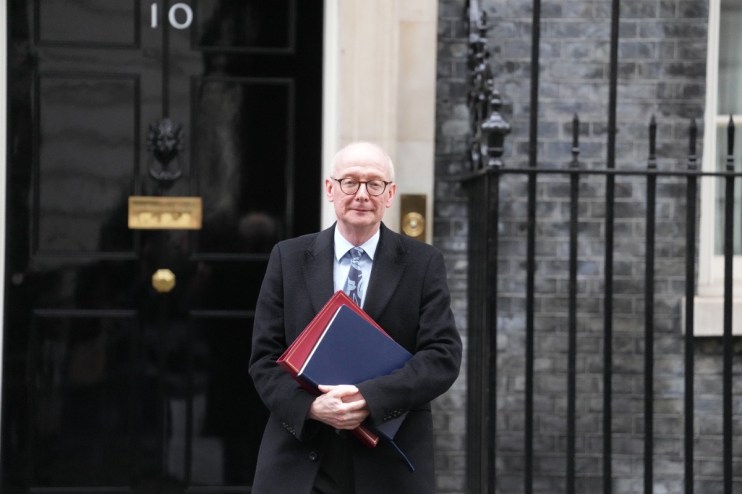
The Labour government is set to hand businesses cash to hire benefits claimants in a bid to lower the number of under-25s not in education, employment and training, otherwise referred to as ‘Neets’.
Pat McFadden, the work and pension secretary, unveiled a new £3,000 subsidy scheme for employers taking on young people who have not been on Universal Credit for more than six months.
McFadden also announced a series of new incentive policies for small and medium-sized businesses on apprenticeships while Labour’s jobs guarantee programme would also be extended for more young people.
The youth job guarantee scheme will be offered to around 35,000 more people, with the previous design of the initiative suggesting that 350,000 “training or workplace opportunities” will be made available.
The growth and skills levy, which faced criticism under the previous Conservative government over the poor usage of funds, has also been overhauled to “prioritise young apprentices”.
The policies are a response to intense criticism over the rising number of Neets, which is approaching 1m people.
Businesses sound confusion over apprenticeships
In a speech on Monday, McFadden said the Neets issue was “deep-rooted”, blaming the previous Conservative government for letting the numbers of people on benefits jump.
Shadow minister Helen Whately labelled the government’s support package as “economic madness” and “not the answer”.
Neil Carberry, the chief executive of the Recruitment and Employment Confederation (REC), said the jobs market had been “exacerbated by a cost of employment crisis he government has not tackled for too long.”
“The government must also show it backs businesses to create the jobs we need,” Carberry said.
Some business officials have expressed some confusion over Labour’s apprenticeship reform.
Labour is cutting a significant number of management apprenticeships despite hailing a rise in uptake just one month ago as “progress”.
Chiefs at Asda, John Lewis and BAE Systems also warned the government against cutting management apprenticeships while a Confederation of British Industry chief said he was “frustrated” about the prospect of training being defunded.
Labour policies blamed for Neets rise
The unemployment rate has steadily risen since Labour came into office, hitting 5.2 per cent in the three months to December.
The jump in worklessness has been due to a rise in redundancies and a slight increase in the activity rate. The youth unemployment rate has soared higher, rising to 16.1 per cent.
Recruiters have blamed Labour’s taxes and decision to raise the minimum wage for the decline in the jobs market, with the £25bn rise in employers’ national insurance contributions (NICs) squeezing hiring budgets.
Shadow business secretary Andrew Griffith linked the “broken jobs market” with the Labour government’s choices.
“Rather than the economics of digging a hole then filling it in, the government need to reverse the damaging changes which mean youth unemployment is now higher than Europe.”
Labour pushes for welfare reform
There are fears that the rise in the number of Neets could add to strains on public finances, with the Office for Budget Responsibility (OBR) revising up its welfare spending forecasts for the next five years at the Spring Statement.
It is hoped that reforms this year from the Alan Milburn review into Neets and the Sir Stephen Timms review on disability benefits could relieve pressures on welfare spending, though the issue has become toxic within Labour.
Ministers have steered clear about mentioning the prospect of making savings from major welfare reforms after the government suffered a backbencher rebellion over its plans to save around £5bn from personal independence payments (Pips) last year.
In a speech after last year’s Budget, Sir Keir Starmer insisted welfare reform was central to the government’s efforts to drive growth.