It’ll take more than a squirrel to revive share ownership: cut stamp duty

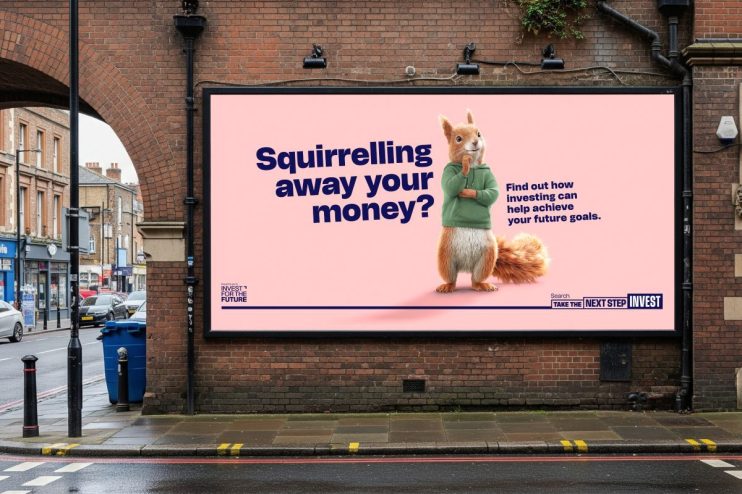
The government can’t promote investing in stocks and shares with one hand while taxing it with the other, says Steven Fine
There is something faintly surreal about the government launching Savvy the Squirrel to encourage people to invest in shares while taking a record haul in tax from those who already do.
The latest public finance figures prove it. In the last financial year, the government took £4.7bn in stamp duty on share trading – the highest since records began. That works out at nearly £400m a month.
Don’t get me wrong. The campaign is well meant. Britain does need a stronger investing culture and I fully support the aims of the campaign. More people should own a stake in the companies driving growth, creating jobs and building prosperity.
Billions raised from investors, while ministers urge more people into the market: you do not need to be cynical to see the contradiction
But let’s be honest, we need more than a squirrel. If ministers are serious about turning Britain into a nation of investors, they cannot promote share ownership with one hand while taxing it with the other. Every purchase of UK equities still carries a 0.5 per cent stamp duty, which is a tax simply for backing British business.
To my mind it sends exactly the wrong signal and it looks even harder to defend now the government has taken a record amount in stamp duty. Billions raised from investors, while ministers urge more people into the market: you do not need to be cynical to see the contradiction.
How to revive capital markets
Bear in mind that the Chancellor is looking for growth, especially now given the situation in the Middle East. Helpfully, the London Stock Exchange has taken steps to modernise its rulebook and cut red tape, which is also important. But you do not revive capital markets through regulatory reform alone. Markets need investors, liquidity and confidence, but stamp duty acts as a handbrake on all three.
What’s more, we are applying that brake while many competing markets do not. The United States does not tax share purchases this way. Nor do Germany, Australia or Japan. Then we wonder why valuations lag, liquidity is thinner and companies look overseas while we make our own market less competitive.
This is not some niche City concern. It goes to the heart of whether Britain wants thriving public markets or is prepared to watch them slowly shrink. If Savvy the Squirrel helps spark a retail investing revolution, all well and good. But campaigns alone will not deliver one. Mascots do not move markets, policy does.
Hence the Chancellor should use the autumn Budget to begin phasing out stamp duty on share trading, with a clear path to abolition. Start with a cut: send a signal and release the brake.
Yes, there is a short-term fiscal cost when money is tight – but there is a major upside to be seized too: more retail participation. more capital flowing into British companies. That will trigger a virtuous circle of better valuations, more listings, and stronger growth for the City and the economy at large.
That is a much bigger prize than clinging to a tax that actively discourages the very behaviour the Government says it wants. Dare I say it, but if they want to be truly Savvy, they should stop squirreling away record stamp duty receipts and start cutting the tax that puts people off buying shares.
Steven Fine is CEO of investment bank Peel Hunt