Inflation expected to inch back up due to travel rush

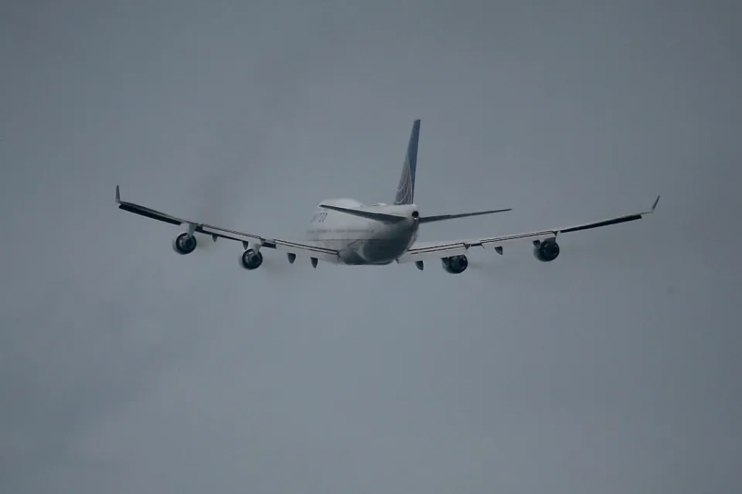
Inflation is expected to edge back up as higher airfares and tobacco prices are squeezing British families’ budgets and adding to pressures on the cost of living.
A Bloomberg poll of economists has predicted consumer price index (CPI) inflation to hit 3.3 per cent rate for the year to December, which would be higher than the previous month’s reading of 3.2 per cent.
Economists have suggested the pre-Christmas travel rush and new tobacco duty hikes kicking in last month could push inflation higher, dampening hopes of a marked slowdown in price growth.
November’s reading surprised forecasters, who in turn hedged more bets on interest rates falling at a faster pace.
The Bank of England cut interest rates to 3.75 per cent at the end of last month, with its next decision set to come in early February.
It is not expected to cut rates again next month, though further signs of falling inflation could prompt policymakers to vote for monetary policy to be loosened over the year.
Inflation dependent on timing
City economists have said the headline inflation figure, which is due to be published on Wednesday morning, will depend on the timing of data collection by the Office for National Statistics (ONS).
“[The] figures could be impacted by timing effects,” said Goldman Sachs economist James Moberly.
“The measurement date could fall on either the 9th or 16th of the month. In recent years the two dates have been used with a similar frequency, and so we think that this is a close call.
“However, we assume the former as a baseline given that timing of price collection in December has tended to be earlier on average than in other months.”
Moberly suggested that the rise in airfares would be lower than the December historical average, though warned that uncertainty around the final inflation result was “very high” due to the potential for data collection to be taken at a later time in the month when prices rose would have risen further.
Goldman Sachs has said that annual inflation could rise to slightly below 3.3 per cent.
Higher inflation will come as a result of an increase in the tobacco duty announced at the Budget while data from the British Retail Consortium suggested food prices also rose slightly higher.
Deutsche Bank’s Sanjay Raja, who has pencilled in inflation of 3.4 per cent for the month due to higher hotel prices and airfares, said the downward trend for price growth was “largely intact”.
‘Headline CPI inflation [is] likely to push down towards the Bank of England’s 2 per cent target from spring onwards,” Raja said, referring to April price adjustments when energy subsidies are set to be stripped from household energy bills.
“Geopolitical tensions and a renewed threat of trade war, however, could disrupt the UK’s swift disinflation process.”
Starmer doubles down on cost of living message
The week ahead will be busy for investors and political figures, with the ONS also set to provide fresh estimates on the state of the UK jobs market and public finances on Tuesday and Thursday respectively.
Hundreds of business chiefs and political leaders are set to travel to Davos for the World Economic Forum’s conference this week while some will also be on edge about developments emerging out of President Trump’s trade threats against leading European economies.
Keir Starmer had hoped that policies on the cost of living and boosting growth would dominate the government’s agenda over the week.
In a speech on Monday, the Prime Minister directly linked US tariff threats to the “damage” it could cause for working people in the UK, with economists suggesting that a full-blown trade war could lead to rising prices for consumers and small businesses.