How something as simple as walking could change your life

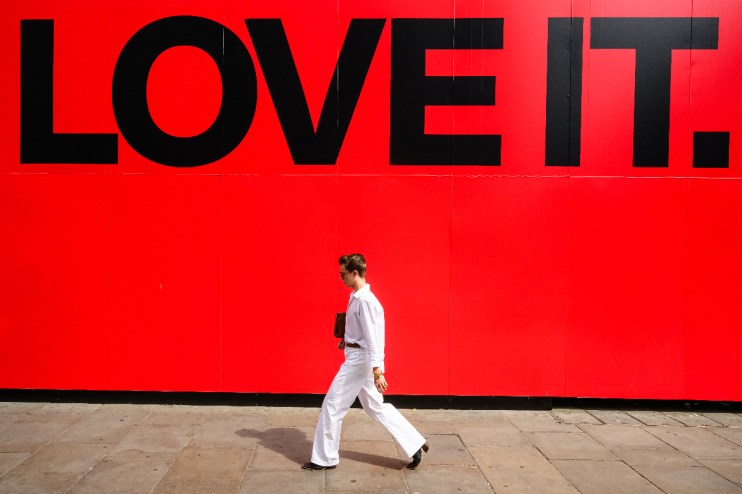
Chef and food writer Bettina Campolucci Bordi tells us how the simple pleasure of walking has improved everything from her sleep to her relationship with her kids
I’ve just come back from a walk. Nothing heroic or straining. No matching outfit, no tracker, no goal other than getting some fresh air and moving my body after a long day in the kitchen. My legs feel looser, my shoulders have dropped about two inches, and my mood has lifted. That, for me, is movement doing its job.
I try to walk first thing in the morning, often as a family. It’s become one of my favourite parts of the day, a great start before life gets busy. It’s also a surprisingly good way of connecting with a teenager. You can’t scroll while you’re walking (although some people try and it drives me mad), so conversations tend to happen more naturally. Things are shared that might not come up over breakfast or in the rush of getting out the door. There is a great Scandinavian saying: “There is no bad weather, just bad clothes” and that rings true. The hardest part, especially during the winter months, is getting out of the door. Once you do you always feel better.
Somewhere along the way, movement became another thing we feel we should be doing better. Harder. More consistently. We talk about Pilates, yoga, HIIT, reformer classes, strength training – and they are all brilliant in their own way. But they also come with a price tag, pressure, and a sense that if we’re not doing it “properly” it somehow doesn’t count. Movement used to be walking to places, carrying things, stretching when something felt tight, dancing in kitchens, getting up and down off the floor. It was part of life, not a punishment for what we ate or how our bodies look.
And honestly? Most of us don’t need more intensity. We need more consistency.
Movement is one of the pillars of health, alongside sleep and food, but it’s also one of the most underrated tools we have for regulating mood, stress and energy. When I move regularly, even gently. I’m calmer, clearer and more resilient. When I don’t, I feel it quickly: stiffness, irritability, brain fog, restless sleep. My nervous system gets noisy.
I used to think movement had to be structured to be valuable. If I didn’t have time for a full class, I’d do nothing. But over time – especially through pregnancy, postpartum and injury – I’ve learnt that something really is better than nothing. A lot better. Walking has become my anchor, one of my favourite forms of exercise. It’s free, accessible and wildly underrated. A daily walk resets my nervous system in a way few other things do. It’s grounding, giving my mind space to wander without spiralling. Some of my best ideas arrive mid-walk, usually when I’m not trying to be productive at all.
And if a morning walk isn’t possible, I try to be practical rather than defeatist. Getting off the bus a few stops early. Parking further away. Taking the long route instead of the quickest one. Walking up and down stairs rather than escalators. Movement doesn’t need its own slot in the diary to count.
Stretching and mobility have become non-negotiables too. Not the Instagram kind, just five or ten minutes of moving my spine, hips and shoulders through their range. Especially on days when I’ve been standing, cooking or travelling. It’s maintenance, not optimization. Like brushing your teeth, but for your joints. I’ve also had to reframe why I move. Not to “earn” food, not to shrink my body, not to tick a box. I move to feel better in myself, to sleep better, to manage stress, to support my hormones, to age well. When movement comes from that place, it stops feeling like punishment and starts feeling like care.
So if you’re reading this thinking you should be doing more, consider doing less but more consistently. Take a walk, have a stretch, plonk yourself on the floor for five minutes. See how it changes your day, your mood, your sleep: it’s all connected. It all counts.
• For more information on Bettina visit her website here