How high will Starmer let fuel prices climb?

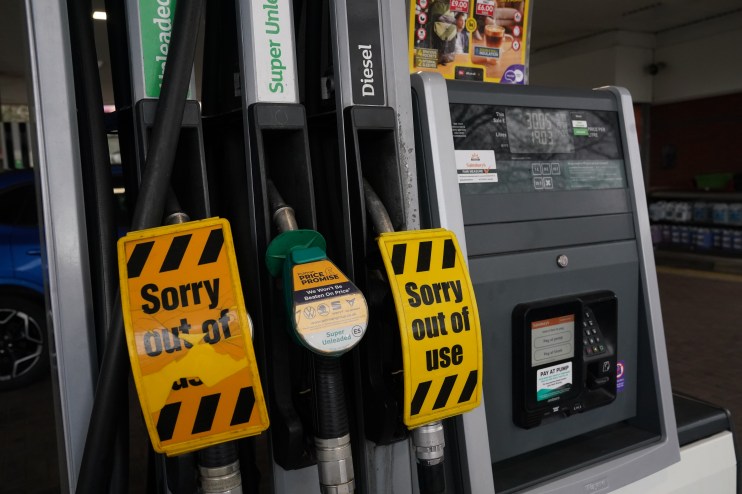
Petrol station forecourts were gripped by panic buying, industry groups warned of the crippling economic impact, supermarkets began rationing bread and milk, hospitals were cancelling appointments, schools closed, the army was on standby and Labour ministers appeared on the brink of losing control of the country.
That was just over 25 years ago, when truckers laid siege to refineries and depots as part of a protest against tax hikes on fuel.
The challenge facing Britain’s fuel industry today is different, and we are not yet at risk of the kind of political and economic crisis faced by Tony Blair at the height of the fuel protests in the year 2000. But it is clear that a dramatic surge in pump prices – a surge that shows no sign of slowing down – presents the government with a significant problem.
The price of petrol and diesel has shot up since the start of the war in Iran. As of yesterday petrol was on average 152p per litre with diesel now at a staggering 181p. The latter is relied upon by 16m vehicle owners, including more than four and a half million vans.
According to the RAC Foundation the gap between petrol and diesel prices is now the largest since 2003, leaving “white van man…bleeding cash just to stay on the road.”
Fuel rationing on the cards?
Yesterday former NatWest chair Sir Howard Davies urged the government to look at ways of “reducing consumption” while Nick Butler, BP’s former head of strategy, has warned that “a form of rationing” could well be a consequence of the supply crunch.
The Prime Minister is currently urging Brits to remain calm, with Downing Street insisting that we should “act as normal” when it comes to fuel. But these are not normal times. At the end of this week, a record 21 million trips will get underway for the Easter break, leading to the busiest weekend on the roads in four years. That’s a lot of tanks to fill.
The Prime Minister is right to say that the best way to restore calm is to end the war, but pressure is growing to ease the burden now by following Australia, Poland and Spain and cutting fuel taxes. Ministers say there’s “no need to take action” – but with the Treasury taking 53p a litre in duty plus 20 per cent VAT, how long can that line hold?
Unlike with Blair, this supply crisis is not of the government’s making, but when voters can’t afford to fill the tank they’ll expect more from Starmer than “it’s out of my hands.”