Holidaymakers face billion-pound tax on ‘great British holiday’

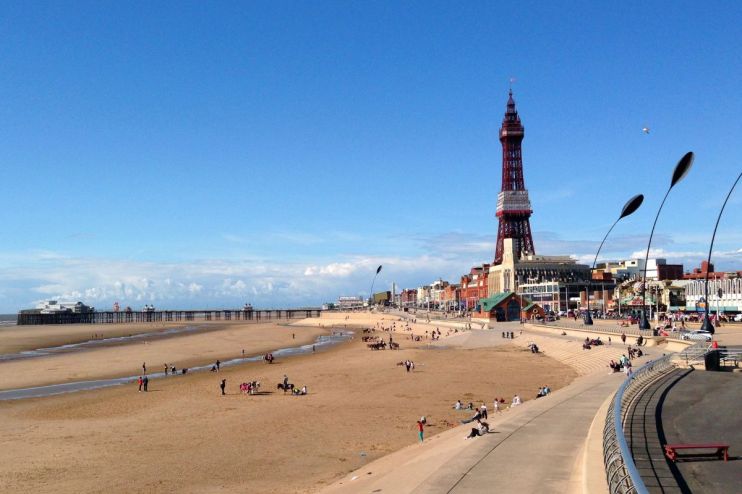
The “great British holiday” is under threat from a proposed tax which would hit visitors with £1.6bn in new charges and threaten 33,000 jobs, hospitality bosses have warned.
The country’s holiday economy could be “decimated” by a levy on tourist accommodation which would turn away domestic and international holidaymakers, according to new modelling.
Industry body UKHospitality is urging the government to reverse course on the tax, which would allow mayors in England to impose a charge on international and domestic visitors’ stays in hotels, hotels and bed-and-breakfasts.
The government’s consultation on the levy closed in February, and ministers say revenue from the tax could be used by mayors to invest in local infrastructure and regeneration.
Individual mayors would be able to decide whether to impose a tourist tax in their area, if the plans are progressed by government.
A five per cent levy on accommodation would cost tourists £1.6bn by the fifth year of its existence, according to modelling by consultancy Oxford Economics.
The tax would slash GDP by £2.2bn and starve the country’s hospitality industry of £1.8bn in tourist spend, as visitors opt to spend 11.9m fewer nights in hotels and other accommodation.
The levy would cause the country’s tourism industry to shrink in response to lower custom, Oxford Economics claims, with £101m less direct investment and 33,000 lost jobs.
Other models of a potential tax were forecast to be less damaging, with a £2 levy per person per night hitting GDP by £1bn and causing 16,000 lost jobs.
A £2 tax per room per night would have the least impact on the hospitality industry, the consultancy claims, causing a £500m loss in GDP and 7,000 fewer jobs.
Tourist tax would ‘decimate’ holidaymaking
Allen Simpson, chief executive of UKHospitality, claimed these figures show a holiday tax would “decimate” foreign tourism and domestic holidays.
“There are no winners from a holiday tax. From coastal communities and city centres to local guesthouses, pubs and taxi firms, the impacts are stark and indiscriminate. Taxes up, jobs lost and our high streets hit once again,” he said.
A number of hospitality bosses have put their weight behind the industry body’s campaign against the tax.
Simon Palethorp, chief executive of holiday park firm Haven, said the tax would harm the job prospects of people in community hotspots – areas where he says employment opportunities are often scarce.
Simon Vincent, Europe, Middle East and Africa president at hotel chain Hilton, said: “Tourism thrives when government and industry work together. The focus should be on growing visitor numbers and enabling hospitality to play its full role in supporting jobs, investment, and economic growth.”