Healey to ‘increase minimum wage by 3.9 per cent’

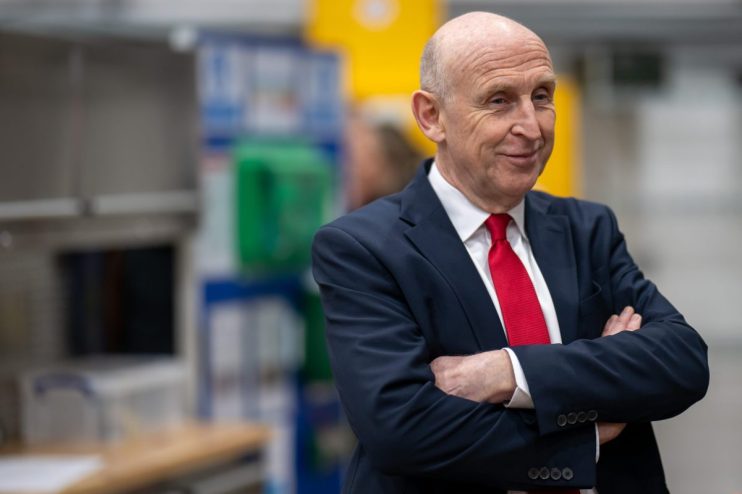
Chancellor John Healey will reportedly hike the minimum wage by nearly four per cent at the Budget, setting the floor for wages for all over 21-year-olds at £13.20 for the next year.
Healey is expected to deliver a huge pay increase of 3.9 per cent to low-wage workers on Wednesday, according to The Times.
However, the increase will also mark the end of the government’s desire to equalise wages for under 21-year-olds with other adults.
The national living wage could rise from £12.71 to £13.20 while the national minimum wage, which applies to younger workers, will also only rise by 3.9 per cent from £10.85 to £11.27.
The policy is popular among voters although business chiefs have long warned that extra staff could add to pressures in the jobs market and force them to raise prices.
Increases in the minimum wage by former Chancellor Rachel Reeves were cited as a reason for rising unemployment. The unemployment rate is at 4.7 per cent, rising from around 4.4 per cent in the last two years.
Labour’s manifesto promised to end a “discriminatory” minimum wage for young people. The party said it would bring wages in line with the living wage by 2030.
The government takes recommendations by the Low Pay Commission, which is an independent body. It sets the commission a mandate on pay increases. Former Prime Minister Rishi Sunak said the quango should be abolished in May.
Healey’s plan to balance risks
Business chiefs have said a rapid rise in the minimum wage had deterred bosses from hiring younger people given added costs. The unemployment for those aged between 16 and 24 surpassed 16 per cent for the first time in over a decade.
Healey and Andy Burnham have also made solving a crisis among ‘Neets’, which are young people out of employment, education and training, a top priority.
Alan Milburn, whose review on youth joblessness is set to be completed next month, linked a rise in unemployment to additional costs on employers from higher wages in a report over the summer.
Kate Nicholls, the chair of UK Hospitality, said equalisation of wages between younger and older workers “would damage job opportunities at entry level” as she welcomed the decision.
The Treasury declined to comment on “speculation”.
The measure is expected to come alongside a host of “everyday fixes” on the cost of food and family life. A day before the Budget, the Treasury announced that the UK would remove import tariffs on products including chocolate, banked beans and some fertilisers used by farmers.
Burnham said that policies to make tax-free mileage rates permanent for care workers and extending parental pay to self-employed dads would “make life a little easier and put more money back in your pocket”.
Healey said: “Today’s everyday fixes are just a small part of what we are doing to give families a bit of breathing space. “Conflict in the Middle East and Europe is hitting families here at home through higher everyday costs. We can’t control global events, but we can act where we can make a difference.”