Governments should spend more on welfare to tackle cost of living, says IMF

Governments across the world should prioritise targeted welfare support for low income households over broader measures like tax cuts to ease the cost of living, the International Monetary Fund has said.
Policymakers should do more to protect vulnerable households from surges in inflation caused by geopolitical events like the Iran war, the IMF says in a newly-published chapter of its world economic outlook that looks set to spark further debate about the UK’s welfare bill.
The IMF’s intervention comes as the conflict in the Middle East threatens to derail John Healey’s Budget next month, as energy prices and global borrowing costs surge.
Researchers at consultancy EY have warned that the Iran war has already narrowed the Chancellor’s fiscal headroom to £11bn and could wipe it out entirely if the conflict rages on.
But the IMF has encouraged governments to commit to spending to protect their most vulnerable citizens from the cost-of-living shocks caused by events like the Middle East conflict and the Ukraine war.
Policymakers should pay better attention to the long-lasting effects that temporary geopolitical shocks can have on low-income households, the organisation said.
The IMF has urged governments and central banks to look at targeted and temporary support measures as “the most effective and cost-efficient way to protect poorer households when prices for the basics spike”.
UK ‘skating on thin ice’
UK inflation inched up from 2.9 to 3.1 per cent in August and industry figures have warned that food inflation is set to surge above six per cent by next summer.
“Assistance, when warranted, should be temporary and delivered primarily through income-support measures directed at the most vulnerable households, ideally using existing social protection systems that can be scaled up rapidly,” the IMF said.
Its world economic outlook instructs policymakers to prioritise targeted measures over broad-brush interventions like tax cuts, price caps and subsidies.
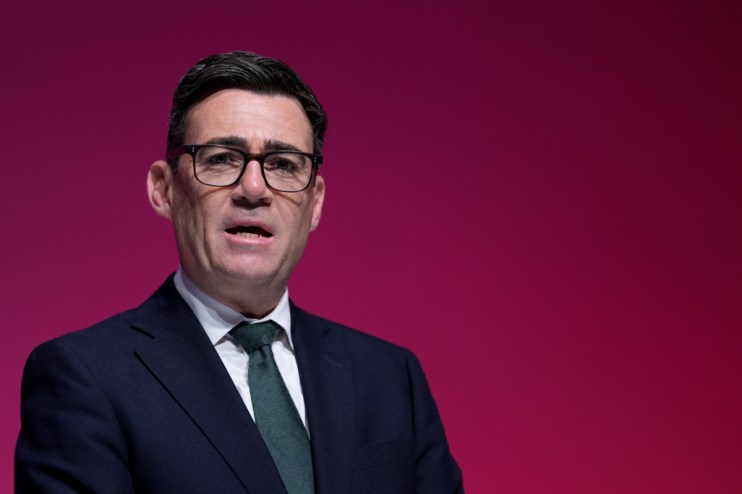
Prime Minister Andy Burnham has pledged to deliver “breathing space” to households struggling with the cost of living. He has cut VAT on energy bills and capped bus fares at £2.
But economists have warned that soaring borrowing costs and sky-high government borrowing means the government will have its hands tied at the Budget next month.
Andy Haldane, a former Bank of England chief economist, said on Tuesday that the government is fiscally “skating on pretty thin ice” as he warned against further tax rises.
Haldane, who was an informal adviser to Burnham but refused a formal role in his government, told CNBC that the “single most effective way” for Labour to gain fiscal credibility would be to “show that it’s able and willing to take the knife to public spending.
“That is the Achilles’ heel of this government. Unless and until action is taken on that, Andy will remain, alas, in hock, to use an expression, to the bond market.”