Farage slammed over pledge to keep ‘unsustainable’ triple lock pension

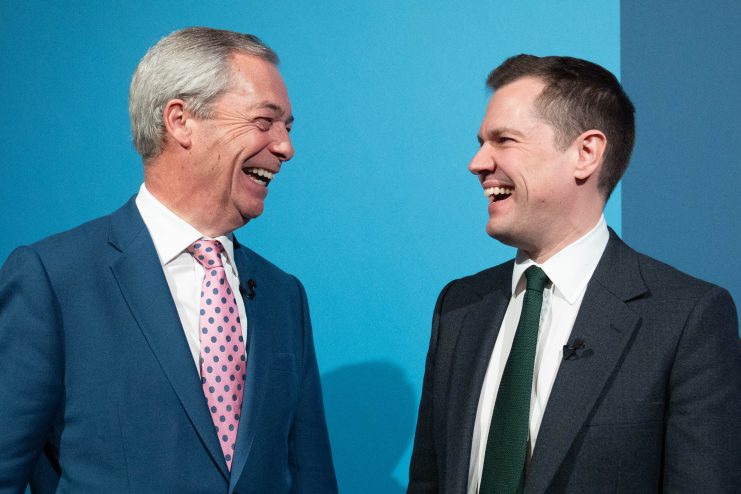
Nigel Farage’s Reform UK has come under fire after committing to maintaining the triple lock pension, the financial mechanism that ensures pensioners’ earnings are increased by whatever is higher out of inflation or wage growth even in times of economic crisis.
In a press conference on Thursday, Treasury spokesman Robert Jenrick said pensioners were worried about the country’s debt load but wanted to see their income protected.
But top economists have slammed the party’s decision to keep the triple lock pension, which is also backed by the Tories and Labour, due to the unpredictability of costs and fairness across generations.
“Nigel Farage will protect Britons’ pensioners,” Jenrick said.
“We can only make the commitment today because we will cut tens and tens of billions of pounds of taxpayers’ money the government wastes every year. Reform will balance the books.
“We will instead fundamentally reset the priorities of government.”
Political parties’ allegiance to the triple lock pension has long been the scorn of top economists, with the neutral Office for Budget Responsibility (OBR) last year describing the mechanism as “unsustainable” for the public debt in the long term.
Farage said there were older pensioners on the basic state pension before 2016 were “disadvantaged” but added that the party was set to announce the “biggest cut to the benefits bill ever seen in this country”.
Reform UK officials including Zia Yusuf had previously suggested that it would keep the triple lock pension under review, raising questions over whether the party would be prepared to break from it.
Farage said the position on the triple lock was now “settled”.
Economists call triple lock pledge ‘disappointing’
Economists have now hit out at Reform UK’s latest policy announcement, which puts it on a par with the Tories and Labour.
“Reform’s commitment to the triple lock is disappointing for a party that promised radical change,” said Daniel Herring, the Centre for Policy Studies head of economic and fiscal policy.
“Spending on pensions, along with the spending on the NHS and working age and child welfare, is on an unsustainable trajectory and no party is willing to tell the truth about how much this will cost the country.”
His comments echo that of former OBR chair Richard Huges, who in a report last year said that pensioner spending would rise from five per cent to up to 7.8 per cent of GDP within 50 years.
In a press conference after the OBR’s report on the sustainability of public finances, Hughes said: “The UK cannot afford the array of promises that it has made to the public.
“We produce these reports to draw attention to these issues, and our hope is that there is some attention paid to them.”
Other top officials outside of Westminster have questioned whether parties’ pledges on pensioner spending were affordable given the challenges of an ageing population.
Bank of England governor Andrew Bailey said the shrinking size of the working population was an “acute challenge” for the UK economy.
The triple lock pension was introduced by former Chancellor George Osborne in the middle of the austerity years after the financial crisis.
In a Treasury hearing last year, Osborne defended his decision to introduce the triple lock due to significant pressure from the electorate on pensioner poverty.