Energy crisis: Britain could be sitting on a second North Sea

Onshore shale gas could provide cheap, abundant energy not dependent on Russian oligarchs or subject to the whims and fancies of Donald Trump. But as with so many areas, it’s being held back by of eco-zealotry, Nimbyism and an inability to simply get things done, says Emma Revell
That Britain needs to solve its energy crisis is news to no one.
Even before Israel and the United States decided to enter into a renewed conflict with Iran, things were pretty bleak. Our energy intensive sectors – whether traditional industries such as steel manufacturing or the new data centres we need to be the home of AI – were already facing the highest energy prices in the Western world. For vulnerable domestic customers, it was often a constant battle to pay for the heating.
Now, we’re facing a period of huge disruption to global oil and gas supply chains with no clear end in sight, as Iran tightens its grip on the Strait of Hormuz and targets transport and oil infrastructure in the Gulf with drone attacks. And Britain – as a net importer of energy – is particularly exposed to such energy price shocks.
Scrabbling to come up with a response that doesn’t involve subsiding all our energy bills, at huge cost to the taxpayer, Rachel Reeves has recently indicated a new openness to oil and gas drilling in the North Sea – despite Labour’s general election manifesto claiming new North Sea exploration wouldn’t “take a penny off bills”. Which puts her on a collision course with a certain Cabinet colleague.
While Reeves last week signalled her support for so-called tie-back arrangements, which use existing infrastructure to facilitate extraction in neighbouring areas, the decision to grant licences sits with the Energy Secretary.
Net Zero’s Cheerleader in Chief, Ed Miliband, is said to be considering approving the projects. In order to meet Labour’s manifesto commitment to not explore new oil fields, he will undoubtedly contort himself into unspeakable positions in order to explain why widening the scope of existing fields is meaningfully different.
Short-sighted
Of course, in reality it isn’t. And the short-sighted decision to ban new exploration – along with massive windfall taxes on the sector and a series of court cases which seem to regard oil and gas piped up from the North Sea as uniquely wicked and the same fossil fuels imported from overseas as perfectly fine – has significantly undermined our ability to tap into the much-needed oil and gas reserves we have within our control.
But let’s not forget, the North Sea isn’t the only place where Britain has an abundance of secure, domestic supply.
Onshore shale gas production – fracking, to you and me – could be the key to our salvation. We could be sitting on a second North Sea, not dependent on Russian oligarchs or subject to the whims and fancies of Donald Trump. But we have done worryingly little to even understand the scale of our potential resources, never mind plan for how to use it.
Years of scare stories and over-regulation have made it impossible for us to properly appraise the amount of gas that might be waiting beneath our feet. Indeed, if you thought it was difficult to get the British public to back new housebuilding, it’s nothing to how ready they are to object to something too often represented as dirty and dangerous heavy drilling right in their back gardens.
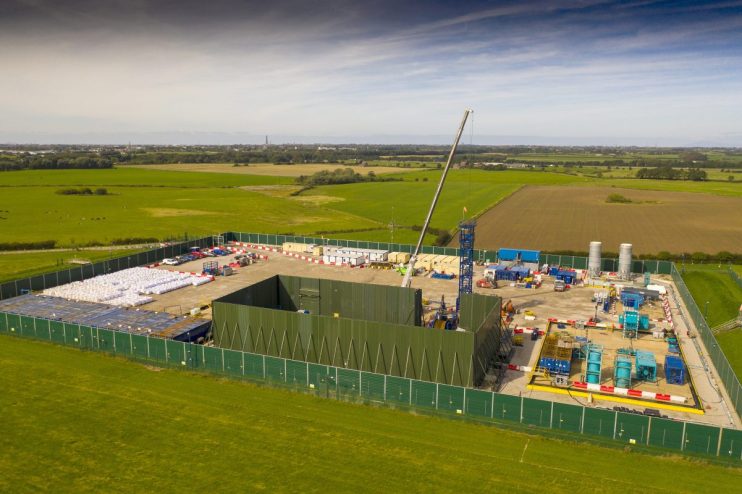
In reality, the sites required for onshore exploration are very small and the equipment no larger than an electricity pylon (and not even always required long-term).
The sites required for onshore exploration are very small and the equipment no larger than an electricity pylon (and not even always required long-term)
According to the former head of NATO, much of the anti-shale narrative originates from within Russia, no doubt at the behest of the Kremlin seeking to protect its own profits on the global energy market.
As with many areas of the British economy, our prosperity is being held back by a mixture of eco-zealotry, Nimbyism and an inability to simply get things done. Yes, new oil and gas production takes time to come online and neither onshore or offshore would solve the immediate problem of price volatility as a result of the conflict with Iran.
But had we ignored that logic when it was espoused by Nick Clegg back in the 2010s on nuclear power, we could be facing this crisis with a whole fleet of new generating stations at our backs and doubtless be in a much better position for it.
To solve our energy problems for future generations and insulate Brits from future crises, we cannot afford to overlook the supplies we have at home.
Emma Revell is external affairs director at the Centre for Policy Studies