Data centres to consume tenth of global power by 2050

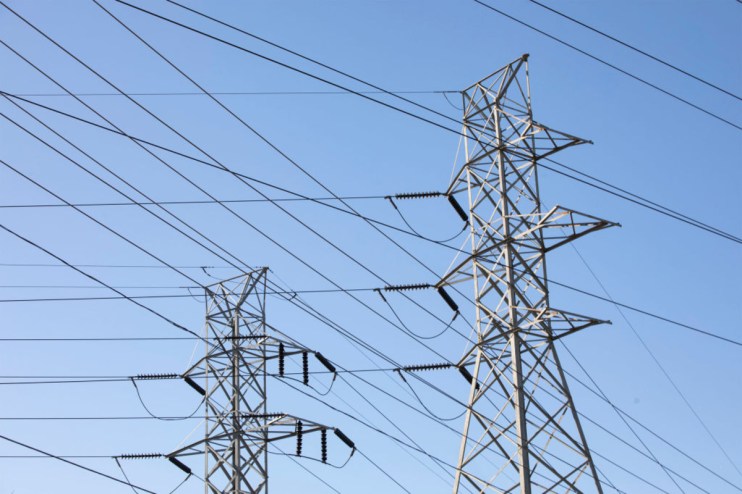
The AI boom is set to drive one of the largest increases in electricity demand in modern history, with data centres expected to consume a tenth of the world’s power by 2050.
Global data centre electricity demand will more than double from 500 terawatt-hours (TWh) last year to 1,114TWh by mid-century, according to BloombergNEF data, as AI systems place mounting strain on energy grids.
Global data centre capacity reached 84GW in 2025, consuming 1.9 per cent of worldwide electricity demand after rising 20 per cent year-on-year, the report found.
By 2050, data centres alone are expected to account for 3.6 per cent of global electricity demand and roughly a tenth of all electricity consumed worldwide.
“We’re living in another moment of crisis, but unlike in past decades, today there are real options for countries to react,” said David Hostert, head of economics and modelling at BloombergNEF.
“We now have viable technologies that can be deployed at scale and fast, at an overall lower cost to the system than the fossil fuel technologies that used to be the primary choice.”
The report argues that accelerating adoption of solar, batteries, electric vehicles and heat pumps will gradually reduce dependence on imported fossil fuels, especially in economies vulnerable to energy price shocks.
But the scale of electricity demand growth is becoming increasingly difficult to ignore.
BloombergNEF expects global electricity demand to rise a further 69 per cent by 2050, driven by AI, electric vehicles, cooling systems, buildings and industrial electrification – and that pressure is already visible in the UK.
Britain’s grid reality
Over 100 UK data centre projects have reportedly requested gas connections because of delays accessing the National Grid.
Those requests amount to more than 15 terawatt-hours of gas-powered electricity annually – enough to power London for roughly four and a half months.
“There’s 100GW of datacentre projects in the queue,” said Stuart Okin, cyber regulation director at Ofgem. “Clearly that’s not all going to be able to connect.”
Officials and developers increasingly acknowledge that some projects may rely on fossil fuels for longer than originally expected as AI infrastructure expands faster than grid upgrades can keep pace.
Silvia Simon, head of research at Future Energy Networks, said gas suppliers had received more than 100 requests from data centre operators over the past two years.
“Gas networks are seeing a lot of interest from datacentre developers looking to secure a gas connection,” she said. “Not just for resilience, but for primary supply.”
The shift is creating growing tension between Britain’s AI ambitions and its climate targets.
Julian Leslie, director of strategic planning at the National Energy System Operator, said the trend raised “an interesting question” about Britain’s clean power goals if data centres increasingly operate on “unabated gas”.
“The world is in a race to meet rising energy demand with the most efficient, least-cost technologies,” said Matthias Kimmel, head of Energy Economics.
BloombergNEF expects solar to become the world’s single largest source of electricity by 2032, helped by falling prices and expanding battery storage capacity.
Still, industry experts warn that rapid growth without proper planning risks pushing problems further down the line.
Colin Rees, associate director at climate technology firm IES, said: “As data centres become critical national infrastructure, their carbon and energy claims need to be transparent, independently testable and grounded in real-world performance”.
“That is how the UK can support AI growth without pushing avoidable climate and grid risks downstream.”