Cut student loan repayments to get youths out of chicken shops

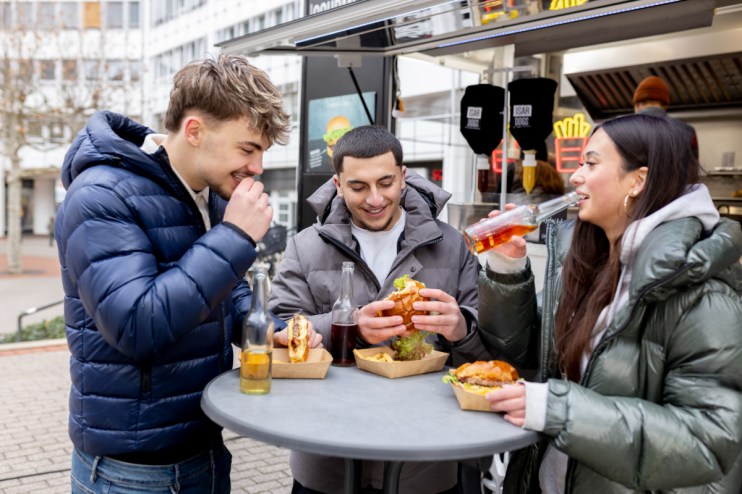
Crippling student loan repayments have stolen billions from the economy sending struggling graduates to cheap food options and public transport, a consultancy firm has argued.
Analysts at Baringa found that cutting the student loan repayment rate from nine per cent to five per cent would free up to £6bn in consumer spending each year for the domestic economy.
Graduates repay nine per cent of their income above the threshold of their loan plan type. Plan 2 loans are currently buckling the vast majority of UK grads, where they begin repayments upon earning £29,385 per year.
Post graduates are also feeling the strain, being buckled by an additional repayment of six per cent upon earning £21,000 a year on a Plan 3.
Consultants argued that the threshold has led young workers to shun the hospitality, car and home improvements sector and slashing the repayment levels would send them flocking back.
In the case of a typical young family, they would gain £1,452 a year, while double income households without children, known as DINKS, would receive an additional £2,000 in disposable income off the back of a cut.
Paddy Winters, partner in consumer products and retail at Baringa, said: “Consumer spending has positive ramifications across the economy, fuelling demand, supporting businesses and creating jobs.
“By modelling what graduates would do with more cash in their pockets, we can begin to see the significant cost that the student loan system is having on the UK economy and negative economic impact it will continue to have for years to come.”
Clucking mad for chicken shops
The hospitality sector was found to be one of the biggest losers to the student loan system. Baringa estimated that an additional £676m of annual spending would flow into restaurants, cafes and hotels upon a reduction.
The lack of cash flow into certain areas of the sector also reflects the rise of interest in cheaper options among young Brits.
Recent analysis from the consultancy found that the annual rise in fast food restaurants has outstripped growth in traditional sit-down restaurants by around five times between 2018 and 2025.
Young people, including those not in work, education or training (NEETS), have instead turned to bargain (bucket) chicken shops, including KFC, Morley’s and Popeyes.
As the student debt burden continues to snowball, youth unemployment has also surged. It spiked from a low of 10.9 per cent to 16.2 per cent, according to the latest statistics from the Office of National Statistics.
Getting the keys
The automotive industry could also gain a further £1bn from the slash. Many currently opt to delay high-ticket spending, such as a new car, and use public transport in order to pay off their loans.
The consultancy claimed that allowing graduates to keep more cash in their wallets would send them to the second-hand vehicle market, while those on higher-incomes or DINKS may even splash out on a brand new car.
Others are delaying needed home improvements in favour of handing money back to the government. The home improvement industry would reportedly see an extra £218m per year, particularly from DINKS who would spend out on furnishings and carpets.
Households would also put income to more frivolous spending including travel and purchasing a pet.
Paddy Winters, partner in consumer products and retail at Baringa, said: “We are seeing that student loans are a drag on consumer spending at a life stage typically associated with rising economic activity.
“At a time when many businesses are looking for growth, it is striking to see how
much consumer demand is effectively being held back by student loan repayments.”
Education secretary, Lucy Powell, said reforming the loan system was a top priority, but the threshold has been lowered for the 2026/27 tax year. Those entering a Plan 5 loan will begin paying back upon earning just £25,000.