BAE Systems raises guidance yet Burnham wavers on defence
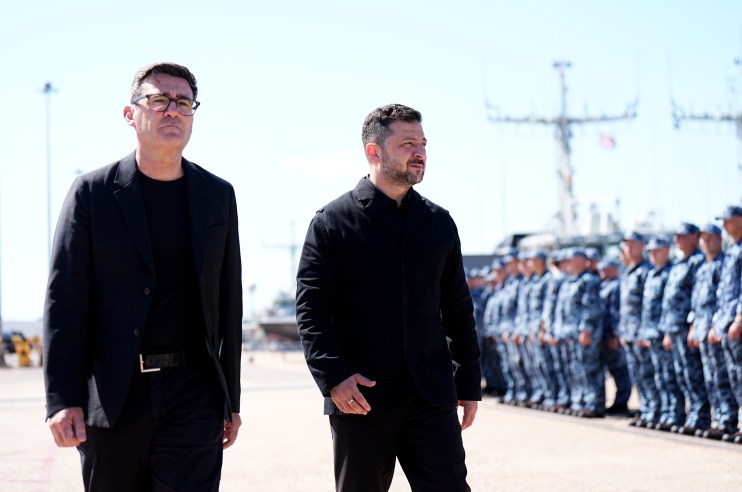
BAE Systems raised its guidance after a series of contract wins yet optimism over spending top-ups may have faded after Prime Minister Andy Burnham refused to commit to lifting expenditure.
The aerospace and arms company said profit for the first half of the year amounted to more than £1bn while sales also improved on the year.
It raised its guidance across underlying earnings per share and cash flow, while it added that sales could be marginally higher than previously expected. Revenue in the first half of the year was £14.6bn compared to £13.6bn at the same time last year.
Chief executive Charles Woodburn looked forward to governments topping up defence budgets even as most European countries have announced sweeping upgrades to spending as a share of GDP.
But the Prime Ministersaid that health, social care and young people’s employment must take priority before any commitment to spend three per cent of GDP on defence.
Burnham was asked at a press conference on Wednesday about his commitment to defence spending, a move that would require at least £9bn more a year.
He said his primary focus was on young people not in education, employment or training (Neets), alongside funding for the NHS, social care, and improved support for children with mental health challenges, which would take precedence over new military spending commitments.
“We’ve got to start investing in success, and helping people succeed rather than paying for failure,” he said. “If we change those things, then we will open up the way of meeting our commitments on defence.”
Burnham stopped short of a direct commitment, saying such a decision belonged to “the parliament after this one”, otherwise the year 2029.
Burnham visits BAE Systems factory
The Prime Minister announced he would visit a BAE Systems factory today in Barrow in the North to hail £8.4bn investment in the UK’s next nuclear deterrent submarine programme, the Dreadnought.
Ahead of the visit, he said that national security was the “first responsibility of any government” and praised a new apprenticeship scheme heralded by the programme, yet remained tight-lipped on defence spending.
The issue could prove awkward for Burnham after he appointed John Healey as Chancellor, who is not expected to join the Prime Minister on his visit to Barrow, according to people familiar with the matter. The former defence secretary resigned from Sir Keir Starmer’s government over the then-Prime Minister’s refusal to set out a path to lift defence spending to three per cent of GDP by 2030.
Shadow Defence Secretary, James Cartlidge, said Burnham’s refusal to commit to the three per cent target was “deeply alarming”.
He said: “The threats we face are growing every day, yet the PM is treading water.”
“We know what Healey thinks, but we still don’t know what the PM’s view is. This isn’t good enough.”
The government could also face troubles in monitoring the Ministry of Defence’s budget. A document seen by City AM shows that the Ministry of Defence admitted that it faced a “particularly high risk of fraud in its procurement”.
The report suggests that its more significant area of fraud risk comes from procurement, with the department set to spend up to £70bn on contracts in the next few years.
The exchange between officials and a parliamentary committee also suggested the MoD was exposed to fraud risks of personal misconduct, theft of assets, and exploitation of sensitive information.
Over the last four years, the department has recovered only 48p for every £1 it spent tackling fraud and economic crimes.