Asda turnaround king Allan Leighton hopes for summer boost

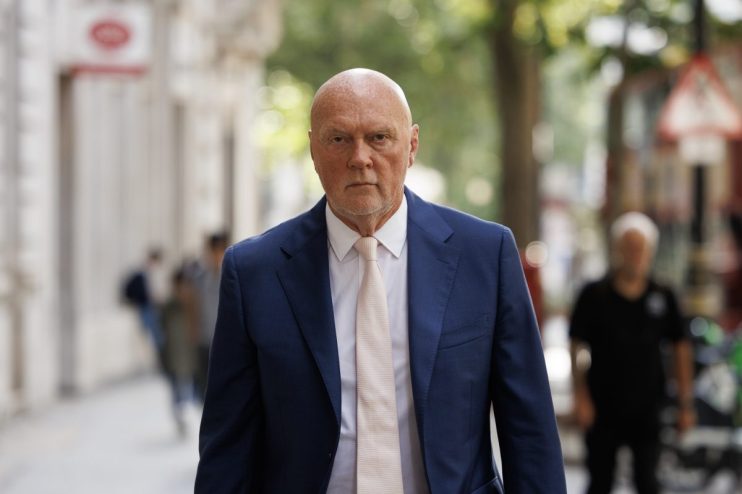
Allan Leighton, the turnaround expert charged with leading Asda’s resurgence, has been known for his showmanship. During his first stint at Asda in the 90s, he kicked off an annual managers’ conference by revving into the auditorium on a Harley-Davidson motorbike.
It was this reputation for bold, eye-catching leadership which prompted struggling discount retailer Asda to call on Leighton to halt its market share landslide. Leighton, now aged 73, may have put his Harley Davidson and leather cladding behind him, but the boardroom veteran is hoping to deliver some convincing evidence of progress on Friday.
The grocer’s latest trading update comes only a few weeks after it posted a £989m pre-tax loss for the year to December 2025 and saw revenue edge down by 3.6 per cent to £25.9bn. Asda has been cutting jobs in multiple departments, most recently at its head office in Leeds, as it attempts to slash costs and halt its market share declines.
The grocer, which is owned by private equity firm TDR Capital, has been weighed down by a huge debt pile in recent years. Asda’s net debt fell from £4.1bn to £3.5bn over the past year, according to its most recent accounts, but this remains a significant burden on the business.
Leighton first joined Asda in 1992, when he was poached by its then-chief executive – and current Marks & Spencer chairman – Archie Norman to lead its marketing department. Leighton became chief executive four years later and orchestrated the grocer’s turnaround and eventual sale to US retail titan Walmart, for a jaw-dropping £6.9bn.
Aldi and Lidl bring fresh competition
In 2000, Leighton quit Asda to “go plural” – a phrase he coined for taking on part-time directorships at several companies rather than focusing his efforts on one firm. Leighton held roles at Royal Mail, Leeds United, Pandora and the Co-op before returning to lead another Asda turnaround in November 2024.
He returned to a grocer in a far different state to how he left it – and facing a much-changed market. Asda has been assailed in recent decades by the meteoric rise of German discounters Aldi and Lidl, who mounted a serious challenge to the green-liveried grocer’s monopoly on low prices.
“It was a very one-dimensional market back then. Before we had online shopping, before we had smartphones,” says Ged Futter, a former Asda buyer who now trains suppliers to negotiate with supermarkets. “It was very much about the monthly shop, so it was a very different way of shopping.
“Back then, Asda was the price leader for retailers. Aldi and Lidl didn’t really exist, in terms of having any kind of impact at all.”
But Leighton is fighting to restore Asda’s reputation for low prices at a time when the German rivals have set a new standard for discounting. Even Tesco and Sainsbury’s, whose market shares appear unassailable, have been piling more products onto their Aldi price-match ranges.
“15 years ago, Asda took their eye off the ball when it came down to price, and they focused on the business, focused on profit, and that then allowed Aldi to own price,” Futter adds.
“There’s a reason why Tesco started off with Aldi price-match, because they know that Aldi own price. That’s what happened 15 years ago, and nothing’s changed.”
Leighton hails signs of turnaround
But Asda says Leighton’s turnaround is beginning to bear fruit. A spokesperson for the supermarket pointed to recent Worldpanel data which puts its market share at an unchanged 11.5 per cent, while sales dipped by 0.2 per cent in the year to August.
“This is Asda’s strongest performance since March 2024 and provides further evidence that the business is moving in the right direction,” they said.
At the grocer’s last trading update in March, Leighton said his plans are on track. “We have that momentum and a strong balance sheet to allow us to push forward.
“As we enter the second year of our turnaround, we have an improved customer offer, stable core systems, a strengthened balance sheet and a strong leadership team to deliver our formula for growth.”
Leighton said the group had notched 1.2 per cent sales growth in March, overturning months of declines, which he attributed to “progress in key areas” including pricing and availability.
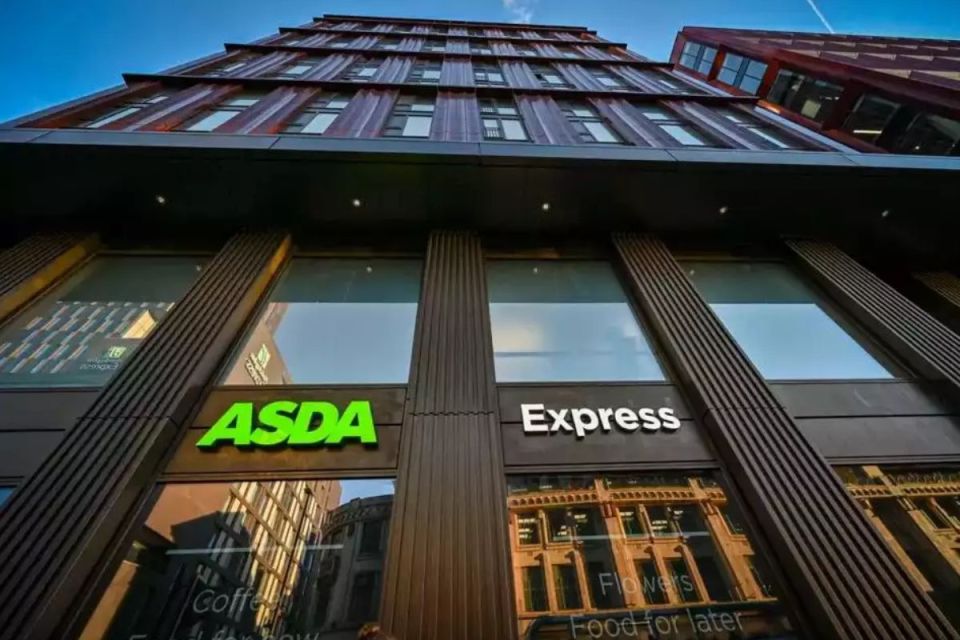
The discount supermarket will hope to prove that this modest progress has been accelerated by a busy summer for British shoppers, during which multiple heatwaves and the FIFA World Cup have boosted other major retailers.
Competing for low prices is as difficult as it’s ever been. Morrisons, another private-equity owned grocer facing a hefty debt pile, announced earlier this week that it would match its five major competitors on the prices of 500 everyday products, including fish, bread and veg.
‘Leadership is everything’
Richard Hyman, an independent retail analyst, said: “I’m not suggesting that there are any forgiving sectors of retailing, but food is a really difficult market. Those players are all very, very good at what they do.”
Asda is hoping its buoyant non-food lines can lift its pursuit of rivals. Clothes retailing in particular is a bright spot for Asda, Hyman says. George, its own-brand fashion range, has been a “phenomenal success over the recent years,” he says.
The supermarket’s non-food revenue has accounted for about 14 per cent of its overall turnover in recent years.
Liz Evans, who has led George since 2022, announced her departure from the group in June. “Liz was outstanding to be able to deliver the numbers she did for George, given that their footfall is food-driven. […] Leadership is everything in all businesses, and especially in retailing,” Hyman said.
Asda will be hoping so, as it looks to comeback king Leighton to take the grocer back to its 90s heyday, albeit without the Harley Davidson.
“Asda is much more than a supermarket,” the spokesperson said. “Nearly half of our revenue comes from non-food areas, including fuel, George clothing, pharmacy and optical services. This sets us apart from the discounters and gives consumers compelling reasons to shop with Asda.”