Andy Burnham refuses rule out manifesto-busting tax hikes

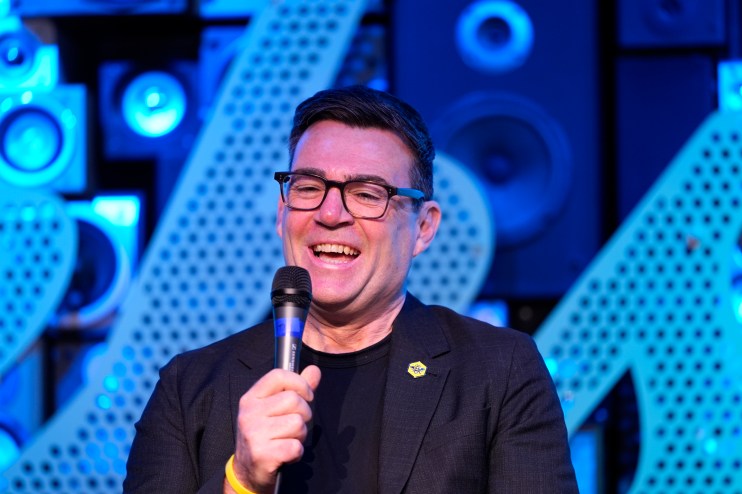
Andy Burnham has refused to commit himself to protecting Labour Party manifesto commitments to not raise taxes.
Burnham, who is Labour’s candidate in an upcoming by-election in Makerfield, declined to comment on whether he supported the party’s 2024 election manifesto.
The Manchester mayor appears to be on a path towards becoming Prime Minister, sharing clips of people demanding that he introduces his ‘Manchesterism’ agenda across the country.
A Burnham spokesman told Bloomberg when asked about Labour’s promises not to raise income tax, corporation tax or national insurance: “Andy is fully focused on working hard for every vote in Makerfield so he can represent them in parliament.
“Andy is not standing on a national manifesto at this election; he is standing to make a difference for the people of Makerfield and to bring the change he has delivered in Greater Manchester to the national stage.”
Burnham previously called for taxes to be raised on the wealthy.
In an interview with The Telegraph last year, he said the top rate of income tax should be raised to 50p.
He has also said that council tax re-evaluation should be introduced, with the mayor previously suggesting that a land tax could replace the current valuation metrics.
Burnham’s tax wishes
Other Labour backbenchers, who are pitching ideas to leadership candidates, have also called for capital gains tax carve-outs for grieving families and entrepreneurs to be ended in order to make the wider taxation system simpler.
Possible supporters of Burnham have also called for him to lower national insurance for employees in a continuation of a Tory policy to end the tax over several years.
Burnham must first beat Reform UK candidate Robert Kenyon and other contenders at the by-election next month if he wishes to return to parliament and become Labour leader.
Sir Keir Starmer has held firm that he will not announce a timetable for his departure while MPs are split on what the best course of action for the leadership could be.
Burnham’s economic policy pitch may come at an awkward time for Chancellor Rachel Reeves and the rest of her Treasury team.
The government is currently trying to figure through the effects of the Iran war and continued trade disruption across the Strait of Hormuz, which could lead to a spike in prices, lower growth and supply shortages.
In a flurry of moves, the government eased sanctions on oil and gas flowing from Russia while reports have suggested the Treasury is lobbying supermarkets to cap prices of essential food items in return for suspended regulation on packaging and healthy food.
Reeves is expected to deliver a policy update on Thursday around the cost of living.