Lidl snaps up market share as rival Aldi stalls

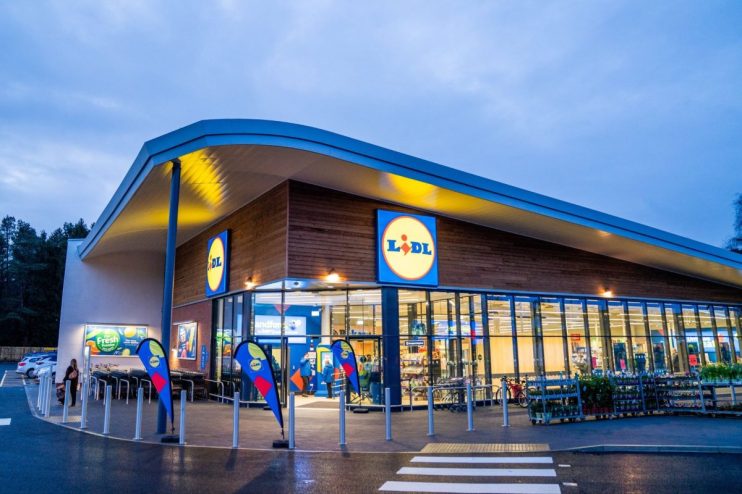
Lidl is the fastest-growing grocer in the UK, new figures suggest, as the discount supermarket grabs more market share while its rivals stall.
The German discounter held 8.6 per cent of the UK’s grocer market in the 12 weeks to October, according to Worldpanel by Numerator, up from 8.2 per cent a year ago.
This makes Lidl the UK’s only supermarket which is actively growing its hold on the market, and comes as the grocer sets out plans to tighten its grip on British shoppers.
Lidl’s sales are 7.1 per cent higher than the same time last year, driven by growth in categories including fruit, vegetables and wine. During the period, the grocer saw half a million more visits than at the same time last year.
Fraser McKevitt, head of retail and consumer insight at Worldpanel, told City AM: “Of the 38 grocery sectors we measure, Lidl is growing ahead of the market in 28. It’s always the large sectors that really move the dial for a retailer’s growth, and Lidl is performing well in fresh produce, alcohol, prepared foods, soft drinks and dairy.”
Lidl is strengthening its loyalty among British shoppers, as 54 per cent of households shopped at the grocer in the last 12 weeks.
The grocer, and its German counterpart Aldi, struggled to impress UK shoppers when they first arrived in the market but have since grown in popularity among middle-class families.
“Loyalty schemes have also become more important to shoppers looking to secure discounts in recent years, and Lidl Plus appears to be resonating, with Lidl reporting a 23 per cent increase in app users over the last year,,” McKevitt said.
Last week, Lidl said its loyalty prices were a key driver of its 10.8 per cent jump in revenue in the year to February, to £13bn. The group’s pre-tax profit grew by a third to £206m. The supermarket has plans to open 50 new stores in the next year.
Asda falls furthest
Aldi, Lidl’s main rival, is the only UK supermarket which does not use loyalty pricing. Its chief executive, Giles Hurley, has hit out at his rivals for supposedly misleading shoppers by using loyalty discounts to inflate the apparent value of savings.
Aldi’s market share slipped from 10.6 to 10.5 per cent in the past 12 months. Hurley has said the grocer is focussed on growing volumes, rather than headline sales, as it attempts to shield shoppers from price rises.
Tesco, the UK’s biggest supermarket, saw its market share fall from 27.9 to 27.8 per cent. Its closest competitor, Sainsbury’s, fell from 15.3 to 15.2 per cent.
Asda suffered the biggest fall in market share, dropping from 11.8 to 11.5 per cent of the market. Former chief executive Allan Leighton returned to the budget supermarket to lead a turnaround in 2024, and said in August the company is in the “foothills of recovery”.
Asda and Morrisons – which held its market share at 8.3 per cent – have both sought to shrink their billion-pound debt piles since being taken over by separate private equity buyers.
A spokesperson for Asda said: “Asda is more than just a supermarket. The business as a whole remains in growth and while the grocery market has slowed in recent weeks, we continue to narrow the gap to competitors.
“This reflects our ongoing investment to lower prices and improve the shopping experience for customers – actions that will build a stronger Asda for the long term.”