Are we regulating all the fun out of fireworks?

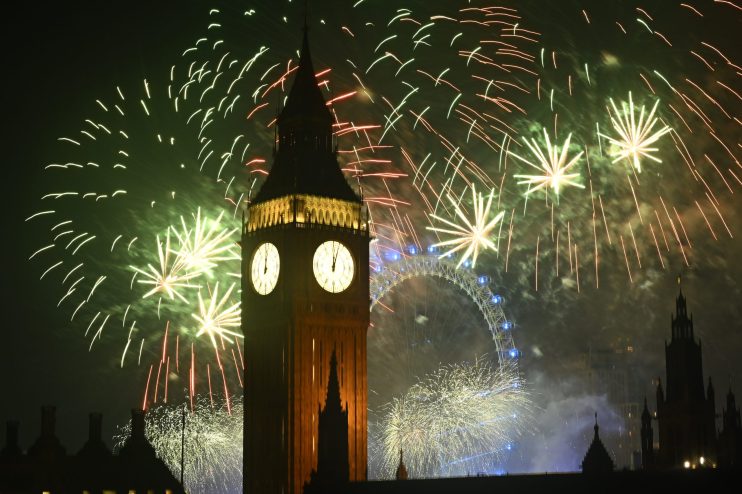
As Truro cancels its Bonfire Night display, the government is consulting on tightening regulations around fireworks that could put a dampener on this great British tradition, says Steve Raper
Nobody is proposing to ban Bonfire Night. Of course they aren’t; but there is more than one way to make a tradition disappear. As Brits, we are much more likely to bury a tradition under consultations and compliance costs. Last week, Truro cancelled its Bonfire Night display for the second year running. The council has said that the event can no longer go ahead because of the costs associated with new crowd safety requirements. At least 5,000 people were expected to attend, but the practical and financial burden of putting on a large community event has become too great.
A cancelled fireworks display might not equal national crisis, but it certainly comes at a curious moment: the government is currently consulting on changes to fireworks regulation, which include tighter rules on noise, additional restrictions on F2 and F3 products, and changes to the way some lower-risk pyrotechnics are regulated.
Obviously, no one sensible is arguing for a fireworks free-for-all. They can be hazardous, so of course they are going to need rules, and they must be sold and used properly. Like many things, fireworks can cause distress to people and animals, and the industry has a responsibility to help minimise it. The question is which measures will actually work: how much harm each proposal would prevent, how effectively it could be enforced, and what consequences it would have for responsible consumers and businesses.
Those who follow the rules are the easiest to regulate
Legitimate retailers and importers are relatively straightforward to regulate (as are responsible consumers). The harder question is whether additional restrictions on legal products will address the behaviour that causes the greatest harm, particularly where fireworks are being supplied or used illegally. There is a risk that we end up placing additional burdens on the people who already follow the rules, simply because they are the easiest people to regulate.
The consultation is seeking feedback on proposals to reduce the maximum permitted noise level for consumer fireworks from 120dB to 110dB, which the government estimates would affect around one third of products types on sale to people. The government is also asking about limits of 100dB and 90dB, although at this stage, professional displays would still be able to use louder fireworks.
Bonfire Night isn’t only about organised displays. For millions of families, the tradition is much smaller: a garden, a few friends or relatives, a bonfire and a selection of fireworks. That matters when considering how changes to consumer fireworks regulation would work in practice.
For businesses working in a highly regulated, intensely seasonal market, this is not a small change. But this isn’t just about businesses, because Bonfire Night is one of those glorious British traditions that has survived because people keep turning up. Whole neighbourhoods standing together and looking up at the same sky. Maybe it’s sentimental, but so what? We spend half our time complaining that Britain has lost its sense of community, that people are lonely, or that we don’t know our neighbours because everyone is staring at a screen, yet we seem determined to make one of the traditions that still brings us together, harder to keep alive.
Nor is this just about the fifth of November; fireworks matter to Diwali and other cultural celebrations across Britain too. Even the government’s own consultation recognises that traditional and cultural use should be preserved. But if that is going to mean anything, the rules have to distinguish between lawful use and deliberate misuse.
Traditions don’t need to be formally abolished to disappear. Perhaps one display becomes too expensive, or one retailer decides the margins are no longer worth it, or one organiser looks at the red tape and thinks it’s too difficult, and eventually something that survived for centuries is gone. Nobody will have banned Bonfire Night, it will just have become too much trouble to keep alive.
Steve Raper is chairman of the British Fireworks Association