Consumer confidence hits two-year high but ‘could soon falter’

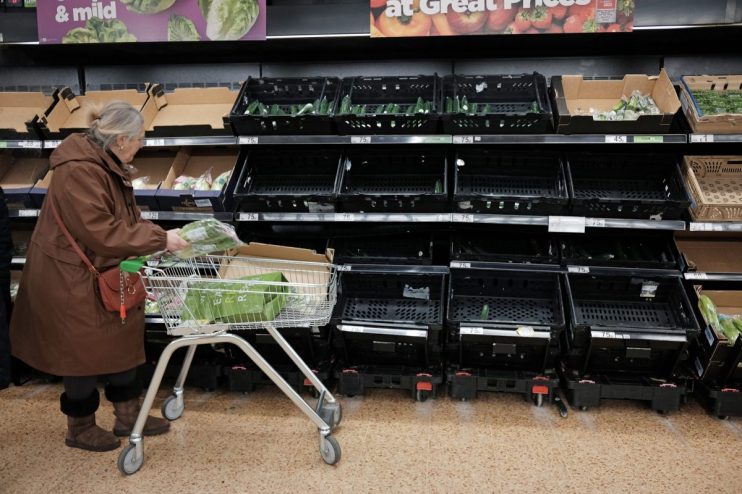
Consumer confidence has surged to a two-year high in a surprise rise which will hand a much-needed boost to Andy Burnham ahead of the Budget – but experts have warned that momentum could soon run out.
GfK’s closely-watched consumer confidence barometer rose to -13 in September, a rise of about one point since last month and the highest level since August 2024.
The reading comes as a shock amid rising inflation and warnings from the Prime Minister that next month’s Budget will be “challenging” for the country.
Though consumer confidence remains in negative territory this is the first time since summer 2024 that GfK has delivered growth in the index three months in a row.
The biggest driver of September’s uplift in consumer confidence was Brits’ perceptions of the state of the economy over the past year, which eased by four points to -36.
Households’ attitudes towards their personal financial situation over the past year are also improving, easing by three points to -3. Brits’ perceptions of their financial situation for the coming year improved by one point to a reading of five points.
GfK’s September reading is the strongest signal yet that business saw a so-called “Burnham bounce” over the summer, helped by record temperatures and the FIFA World Cup.
Confidence ‘still firmly negative’
But Neil Bellamy, GfK’s consumer insights director, cautioned that this rebound could be running out of steam, as rising inflation threatens to ruin the mood.
He said: The return of higher inflation removes one of the strongest positives seen in previous months.
“So, while the headline score continues to improve, confidence is still firmly in negative territory. With inflation, energy and fuel prices rising, could we soon see consumer sentiment falter?”
Inflation rose from 2.9 to 3.1 per cent in August, as sharp rises in the price of petrol and diesel – along with higher air fares – outweighed steady food inflation.
Energy prices are showing no signs of meaningfully falling, prompting a Bank of England policymaker to warn on Thursday that interest rates may have to rise if energy costs stay high.
Clare Lombardelli, deputy governor of the central bank, told a conference in Warsaw that higher energy prices make it “increasingly likely” that monetary policy will need to be tightened.
The Bank of England left interest rates unchanged last week while the US’ Federal Reserve and the European Central Bank both opted to hike rates.