Federal Reserve earns rebuke from Trump after interest rate hike

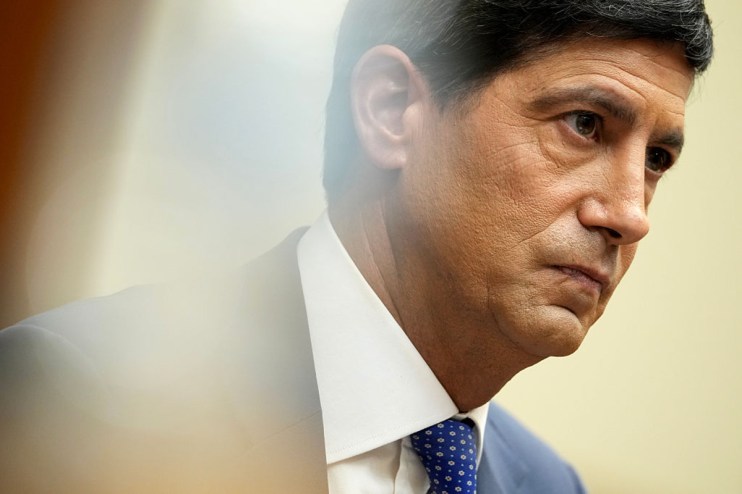
Kevin Warsh’s Federal Reserve has raised interest rates for the first time since 2023 and effectively pencilled in another hike this year, defying President Trump’s demands for looser monetary policy.
On Wednesday, Warsh joined a unanimous decision to raise the US’s central rate by 25 basis points – or a quarter of a percentage point – warning that “inflation is too high and has been for too long”.
The decision earned an almost immediate rebuke from Donald Trump, who has waged a years-long campaign against the central bank, which he argues has been too restrictive, even though inflation has remained above target for several years.
Trump said on social media that interest rates should be one per cent or lower. “We are ‘carrying’ almost every country in the World, and that cannot go on any longer,” he wrote. “LOWER THE INTEREST RATES FOR THE UNITED STATES OF AMERICA, AND FAST!”
Analysts had widely expected a rate hike, following early signs that higher energy and fuel prices from Donald Trump’s war in Iran were starting to stoke inflation in the US economy.
Fed warns inflation is ‘too high’
At previous meetings, when the Fed ultimately held interest rates at 3.75 per cent, Warsh warned inflation was too high and insisted his administration at the central bank would prioritise price control.
But there had remained some uncertainty over whether Warsh – who was handpicked by Donald Trump earlier this year – would follow through on his pledge and risk a public reprimand from his nominator.
“By signalling through its updated dot plot that further tightening may still be required this year to bring inflation back to target, the Fed has demonstrated that policy decisions remain driven by economic conditions rather than political pressure,” Garry White, chief investment commentator at Raymond James, said.
“Although Fed chair Kevin Warsh described the move as “removing a dose of accommodation” rather than a restrictive move, it is likely to frustrate President Trump, who has repeatedly argued that borrowing costs should be lower and has publicly urged the Fed to ease policy.”
August inflation in the US remained flat at 3.4 per cent – well over the Federal Reserve’s two per cent target – even as the Middle East war prompted a 27 per cent jump in prices at the pump.
Other members of the Fed’s 12-member group of rate-setters, known as the Federal Open Market Committee, suggested they were ready to hike interest rates again later this year. Via a tool known as the ‘dot plot’ – whereby FOMC members show where they think inflation is heading – officials showed they were expecting to raise rates by another 25 basis points at one of the next two meetings.