Healey facing £6bn hit as UK borrowing costs reach highest point since financial crisis

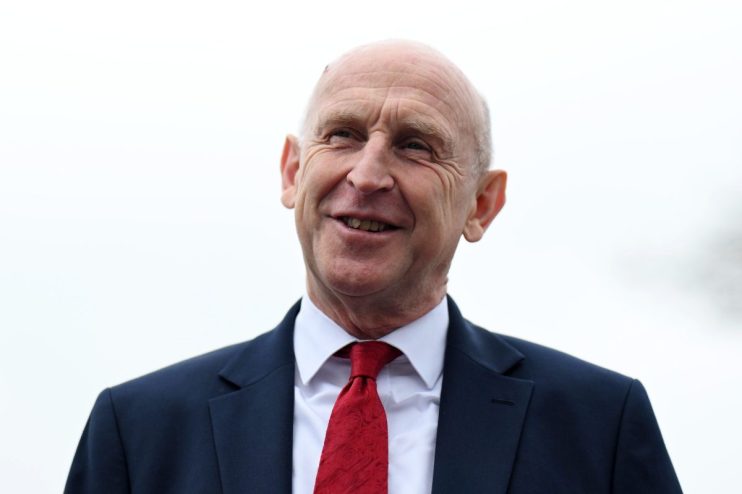
UK borrowing costs have hit their highest level since the financial crisis as gilts were swept up in a mass rout across global bond markets.
The UK government is set to pay a higher rate on debt interest as 10-year gilt yields, the benchmark for borrowing costs, were up by as much as 15 basis points.
The yield hit an 18-year high of about 5.2 per cent while longer term gilt yields jumped to 5.9 per cent in early trading on Tuesday.
The UK suffered from a larger jump in borrowing costs than the US, Japan and Germany, reflecting heightened inflation fears due to the breakdown of trade across the Middle East.
Kathleen Brooks, research director at XTB, said the jump in bond yields across the world came as a result of higher oil prices. The Brent crude oil benchmark hit $91 per barrel as tensions between the US and Iran took a turn for the worse over the weekend with new missile strikes being exchanged.
Brooks said some market analysts believed the resumption of hostilities in the Middle East would be “short lived” although there were risks that disruption to trade could continue.
“We are now just two months away from the US mid-term elections, and President Trump shows no sign of scaling back the war in Iran to win votes, even though the conflict is not popular at home,” Brooks said.
“This could trigger volatility in the coming weeks, as investors fret that elevated oil prices could be here to stay.”
Healey to be hit with ‘£6bn extra’ borrowing cost
Panmure Liberum economist Simon French said the rise on 20-year gilt yields could hit John Healey’s headroom by as much as £6bn.
The headroom, which is determined by fiscal rules stating that day-to-day government spending should match tax receipts by 2030, stood at about £22.7bn based on fiscal forecasts drawn up before the Iran war.
The upgrade on debt interest payments in the Office for Budget Responsibility (OBR)‘s forecasts would add to current projections stating that the UK government will have to pay lenders up to £137bn in 2030.
Economists have suggested that the Bank of England could respond by slowing down a sale of bond holdings as part of its quantitative tightening (QT) programme.
Oxford Economics adviser Michael Saunders said the Bank could ease the pace of QT from £70bn in the current year to £50bn to “limit upward pressure on gilt yields”.
He said the programme could now focus on reducing risks of higher interest rates on the Bank of England’s balance sheet.
The Bank has held that the programme has had a small impact on market pricing, but politicians from across parties, including Chancellor of the Duchy of Lancaster Louise Haigh and Reform UK’s Richard Tice, have criticised the Bank’s sell-off for costing taxpayers billions of pounds.
Analysts are largely split on whether the Bank’s Monetary Policy Committee will hike interest rates later this year, with some economists still waiting to see how relations between Iran and the US play out over the coming weeks.
City analysts also warned that higher gilt yields would dampen the housing market in the short term.
Capital Economics said the value of commercial property would be squashed by higher borrowing costs, while RSM UK economist, Thomas Pugh, said a drop in mortgage approvals over July could mark the beginning of a difficult second half of the year for the housing market.
Pugh said a “combination of higher borrowing costs and lower disposable income is a toxic mixture for the housing market”.