Wizz Air profit wiped out by rising fuel prices

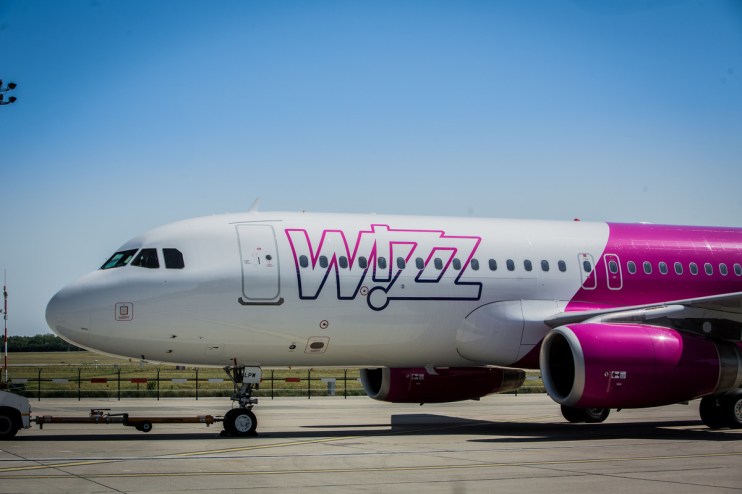
Soaring jet fuel prices caused by the conflict in the Middle East led to a sharp drop in Wizz Air’s profit.
The increased fuel costs and “extreme volatility” from the war in Iran caused the budget airline to swing to a €198.2m net loss, a significant shift from its €38.4m gains the prior year.
The FTSE 250 group saw total revenue inch up 5.5 per cent to €1,507.4m, driven by a 25.1 per cent increase in passengers. This took passenger numbers to 21.2m. But revenue per available seat kilometre decreased by 8.1 per cent as weaker fares squeezed profits.
Garry White, chief investment commentator at Raymond James, said: “Wizz Air’s first-quarter results were disappointing.
“Despite strong growth in passenger numbers and revenue…higher fuel costs and weaker fares squeezed yields, highlighting how cost pressures continue to offset the benefits of capacity growth.”
Shares dropped 4.9 per cent to 1,089.9p per share. The stock is down 16.3 per cent this year to date.
Has there been a Summer recovery?
The group is anticipating industry challenges to persist in the market, leading it to reallocate its fleet capacity to popular European destinations such as Spain over long-haul flights to the Middle East.
The group already halted operations in Vienna and also pulled out of Abu Dhabi last year.
Jozsef Varadi, chief executive officer, said: “This supports higher sector productivity, creates more attractive schedules for customers, improves network integrity, and delivers incremental growth at a lower cost.”
Aircraft availability has also improved, recovering from disruption caused by the grounding of fleets that had engine and powder metal issues. As of 30 June, 27 aircraft remain grounded, down from 41 at the end of last year.
The affected fleet is expected to be fully operating by the end of the 2027 calendar year, but Alex Pugh, analyst at Freetrade, said the problem is “still hurting Wizz” despite progress being made.
Analysts are now questioning if “strong summer demand” can “help drive recovery”.
Pugh said: “There are signs of punctuality and completion rates improving even in a difficult quarter. The ultra-budget airline is expanding fast, but the market will want proof bigger means better, not just more seats sold at thinner returns.”