Peak chicken? Domino’s hatches plan to swoop into fried chicken market

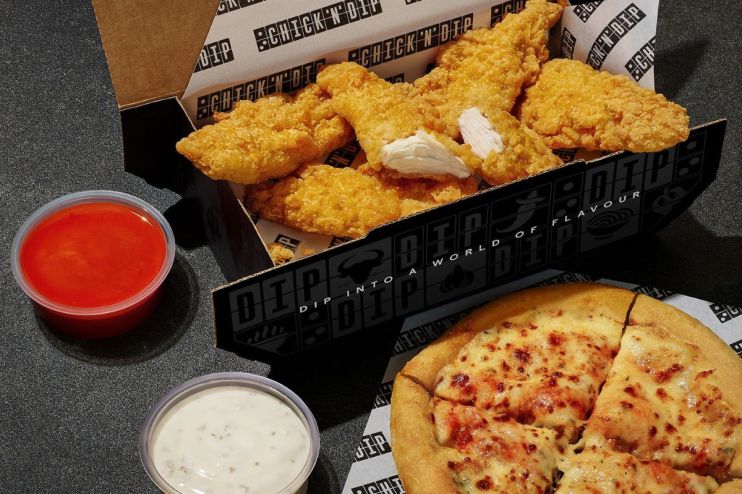
Months after parting ways with the chief executive whose bet on chicken caused a flutter, Domino’s Pizza has led a charge back into the henhouse.
Andrew Rennie, the pizza delivery giant’s former boss, caused a flap last November when he defended a novel expansion into fried chicken by declaring that British consumers were nearing so-called peak pizza.
“We recognise that people’s diets are slightly changing. When you look […] globally, chicken is the fastest-growing protein. So [launching a chicken range] seemed pretty obvious to me,” he told the Financial Times.
Days later, he was gone. Rennie departed the FTSE 250 firm by “mutual agreement”, with the board telling investors it was on the hunt for a new boss to lead its growth strategy in a “disciplined” way.
Domino’s said it was pausing Rennie’s expansion plans, including a proposal to snap up a fried chicken brand to drive his poultry push. The year before, the pizza chain had been circling US fried chicken giant Wingstop, though it was pipped to the deal by US investment firm Sixth Street.
US chicken sellers flock to UK high streets
But on Tuesday, new chief executive Nicola Frampton – who had been serving as an interim before she got the nod to stay on in March – indicated that Domino’s is far from finished with chicken.
The group hailed its new “chick’n’dip” range as one of the main drivers – along with the World Cup – of its five per cent jump in like-for-like sales, blowing analysts’ three per cent forecasts out of the water.
Fried chicken has surged in popularity in the UK in recent years, with most British high streets now dominated by chain and independent shops offering the foodstuff. Though KFC has long dominated the market, recent American exports like Wingstop and Popeye’s have shaken up this monopoly.
Between 2022 and 2025, out-of-home sales of fried chicken surged by nearly £700m to total £2bn, according to analysts at Worldpanel. On Monday, Wingstop posted a bumper 73 per cent uplift in revenue to £216m last year and unveiled its 100th location in the UK.
Slim Chickens, founded in Arkansas in 2003, entered the UK in 2020 and has laid out plans to expand its presence to at least 50 sites. Popeyes, which launched in Britain only five years ago, already operates about 100 venues in the UK and is aiming for 350. Bakery titan Greggs is the latest high street giant to make a foray into poultry, with a chicken variety of its much-loved sausage roll.
Eager not to lose out to these upstarts, KFC last summer unveiled a bumper investment plan, setting aside £1.5bn to open up 500 new restaurants in the UK and Ireland, on top of its 1000-store existing footprint.
‘Straightforward logic’ to fried chicken push
Domino’s pursuit of this already well-populated category has “raised some eyebrows” that the takeaway giant could reheat its ‘peak pizza’ debacle by entering a market which is near capacity, according to AJ Bell investment director Russ Mould.
But the early signs of this push “are encouraging,” he added. Speaking to investors on Tuesday, Frampton outlined the “straightforward” logic of Domino’s attempt to conquer the chicken market.
“Chicken is a large adjacent category. We can enter it using our existing system rather than building a new one, and we can do that without significant additional capital investment,” she said.
Frampton emphasised that Domino’s is not attempting to go up against the dine-in fried chicken giants, instead hoping to tempt British consumers to add chicken to their home delivery orders. The firm occupies four per cent of the £3bn fried chicken market and sees “significant headroom” for growth, she added.
She was right to describe the firm’s chicken push as “disciplined,” said eToro analyst Adam Vettesse. The ‘peak pizza’ slump should be blamed on a saturation of “weak operators” rather than a lack of appetite for fast food, he said.
Vettesse added: “The same is likely to be true of chicken. The risk isn’t too much chicken, it’s too much chicken bought at the wrong rent. Adding it to an existing menu costs you very little if it fails.”