Revolut deploys AI to scrutinise law firms in major shake-up

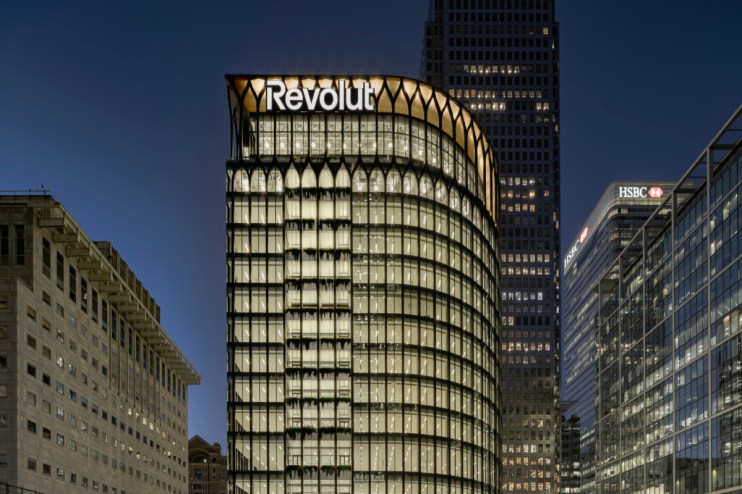
Fintech giant Revolut is scrapping the ‘traditional’ method of assigning external law firms in favour of a new system where no law firm’s position is secure.
Businesses that need external law firms on hand hold a panel session, where they vet law firms within their price range, and those that win secure a spot for the legal work for that business.
A place on a business panel has long served as a ticket to potentially lucrative work.
Revolut previously had magic circle law firm Linklaters and US elite firm Latham & Watkins as its primary external legal advisers.
However, according to Revolut’s legal chief, Tom Hambrett, the bank is replacing this method with Revolut Partners, “a dynamic, performance-based ecosystem assessed against metrics that actually matter”.
He stated that “no one partner’s position in the starting lineup is guaranteed”, as the external law firms will be reviewed quarterly.
The bank’s senior in-house lawyer pointed out that underperformance can mean poor client management, unmanaged scope creep, weak billing practices, a lack of responsiveness, or direct feedback from its lawyers indicating that the quality of advice isn’t where it needs to be.
To monitor its new bar, Revolut is building in-house AI tools to help lawyers run requests for proposal, pre-select firms for specific instructions, and scrutinise advice and invoices.
“[Law] firms can no longer solely rely on soft relationship touch points to keep their place in the squad,” Hambrett stated. He added, “Relationships still matter. But performance wins you minutes on the pitch.”
Banking sector panel squeeze
The legal sector in the UK is booming.
However, as headcount and salaries increase, so do client fees, prompting in-house legal teams to question the rising cost of external advice.
To combat cost pressures, an increasing amount of legal work equipped with AI is being handled by in-house teams rather than external lawyers.
Another way of squeezing the legal sector is through the panel process. Years ago, the banking sector panels aggressively sought to cut lawyers’ costs by reducing the amount of space on their panels, forcing law firms to compete on price to get a seat at the table.
Most recently, the insurance sector has followed the banking sector’s example.