Sir Jim Ratcliffe is right – our energy policy is ‘all over the place’

Punchy interventions from chemicals tycoon Sir Jim Ratcliffe are not rare; most announcements from his company, Ineos, are enriched with a missive from the billionaire on where exactly the UK is going wrong.
But these are no mere PR ploys. The stakes are high and he knows what he’s talking about.
Yesterday’s confirmation of his decision to invest in US energy production alongside Shell is a case in point. Ratcliffe took the opportunity to point out that energy policy in the EU and UK is “all over the place” as governments scramble to square their feel-good net zero commitments with the reality of energy supply – and demand.
“Growth in an economy is highly correlated to competitive energy prices, and it’s a huge issue for national security,” Ratcliffe said, justifying his investment in the US – as opposed to the UK – by saying that “from an investment point of view, you always go to the stable rather than the unstable.”
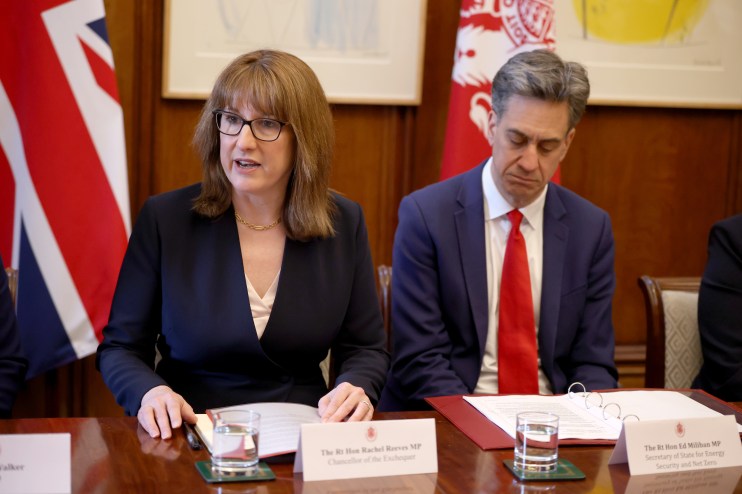
For an example of the unstable, consider the UK Energy Secretary, Ed Miliband, firing off a social media post calling energy giant BP’s profits “morally and economically wrong.” Miliband also used his post to brag about the UK’s windfall tax on those profits, before realising that it doesn’t apply to the cash generated by BP’s trading operation. Perhaps that’s why he deleted the post.
‘Drill, baby, drill’
For its part, BP is said to be considering an exit from the North Sea – and with a combined tax rate of 78 per cent, who can blame them? The Energy Profits Levy, or windfall tax, was introduced under the previous Tory government but has been extended under Labour.
Kemi Badenoch, talking to City AM last week, was keen to stress that she was against the policy at the time, but lost the argument to the all powerful Treasury. She’s now an advocate of “drill, baby, drill” when it comes to the North Sea, and the Tories are calling for the windfall tax to be scrapped, arguing (belatedly) that it hampers investment, threatens jobs and reduces tax revenue in the long-term. All of this is true.
As for Ed Miliband, reports suggest he now has his eyes on the Treasury in a post-Starmer government, raising the question of whether he could cause more damage there than he has in the Energy Department. We may soon find out.