Reeves’ Spring Statement was yet another missed opportunity

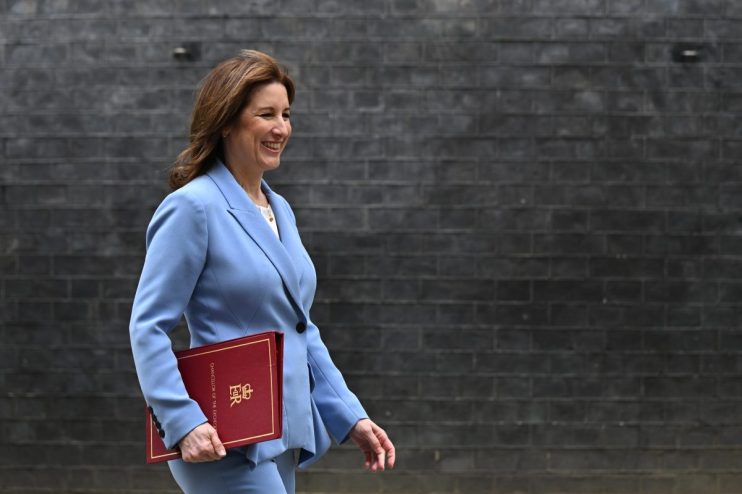
Rachel Reeves wanted this Spring Statement to be a non-event. In that she succeeded, says Julian Jessop
The Chancellor’s Spring Statement sent a signal of “steady as she goes”. Unfortunately, what was really needed is a change of course.
There was plenty of party political knockabout, but no major policy announcements and nothing to lift the spirits of consumers or businesses.
This might have been fine if all were well. But there is little sign that the government’s economic plan is working. In particular, the OBR’s near-term forecasts for growth have been revised down and those for unemployment have been revised up.
Admittedly, the former partly reflects a downward revision to the projections for net inward migration, and the latter is partly driven by a not unwelcome fall in economic inactivity as more people start to look for work. But the bottom lines are still that growth per capita remains feeble and that not enough jobs are being created.
This forecast has already been overtaken by the surge in energy prices following the escalation of the crisis in the Middle East
Inflation is at least projected to fall a little more quickly than anticipated last November. But the OBR attributes this to “greater slack in the economy, and lower food and energy prices” rather than anything new that the government has done. And of course, this forecast has already been overtaken by the surge in energy prices following the escalation of the crisis in the Middle East.
The jumps in the cost of oil and natural gas could also mean that interest rates do not fall as much as hoped, leading to a renewed increase in the cost of government borrowing.
More positively, the updated OBR forecasts show a small improvement in the “fiscal headroom”. On paper, this means the government is still on course to hit its main fiscal target with almost £24bn to spare.
But the margin for error is still wafer thin. The OBR’s numbers depend on optimistic assumptions about economic growth, spending and revenues in the final years of the forecast period. It will not take much more bad news to force the Chancellor to come back with even more tax increases in the Autumn.
Three questions
Today’s speech was also light in three specific areas, among many.
First, there was not enough acknowledgement of the part that the government’s own policies have played in discouraging hiring and driving the increases in unemployment.
The Chancellor does at least now seem to recognise that the large increases in minimum wages have harmed the job prospects of young people. It has been reported that the manifesto commitment to end “discriminatory age bands” will no longer have to be met this parliament.
This is a sensible change, but it is disappointing that Labour did not see this problem coming. Moreover, employers are still being burdened with additional costs through higher taxes and the increases in regulation in the Employment Rights Act.
Second, there is still no credible plan to bring spending under control, especially in the big ticket areas of welfare, pensions and healthcare. Difficult decisions keep being put off, which is now even riskier given the need to increase the resources for defence.
Third, energy policy is a mess. Renewables may or may not be the future, but for now the disruption in the supply of fossil fuels from the Middle East has simply underlined the need to make more use of the reserves of oil and gas that we already have.
The Chancellor wanted this Spring Statement to be seen as a “non-event” and in that she has succeeded. Few really believe that it makes sense to tweak tax and spending plans twice a year based on five-year forecasts that even the OBR admits will almost certainly be wrong.
Nonetheless, this was another missed opportunity to make braver choices that could have boosted growth and improved the public finances.
Julian Jessop is an independent economist