The biggest risk to this government is no longer economic turbulence, but itself

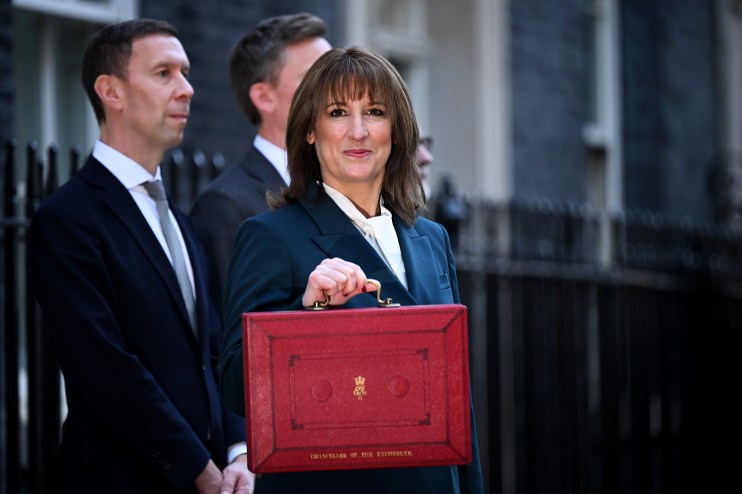
A Budget meant to project discipline has instead exposed confusion, mistrust and political instability around the Chancellor, eroding confidence in both markets and her own party, says Helen Thomas
It is never a good omen when the Chancellor becomes the story rather than the Budget they’ve delivered. What began as a carefully choreographed fiscal event, designed to placate Labour’s left while soothing financial markets, has instead spiralled into a row over transparency, trust and basic competence. The Office for Budget Responsibility’s revelation of an improving fiscal picture as their forecasts progressed has detonated the narrative on which the Chancellor built her case for tax rises, spending restraint and tough talk on fiscal discipline.
For markets, which had been told repeatedly that OBR assessments shaped every major Treasury decision, the episode raises an awkward question: if the black hole didn’t exist, why did the government behave as though it did? Investors now face the implication that political positioning, not economic reality, was steering the ship. Far from outsourcing economic decisions to the independent technocrats, the Chancellor has brought policy in-house in order to firefight internal party divisions.
And yet her management of party demands has only resulted in more frustration. Labour MPs feel as if they have been taken for fools. One Cabinet minister told The Times that “at no point were the cabinet told about the reality of the OBR forecasts”. Once a Chancellor and Prime Minister lose the confidence of their own Cabinet, the political calculus shifts sharply. Internal discipline evaporates and leadership speculation becomes self-propelling.
Voters may not follow every twist of OBR methodology, but they recognise inconsistency. Reeves had previously called national insurance hikes a “tax on jobs” and condemned frozen income tax thresholds as a squeeze on working people. Yet she enacted both in her first two Budgets. A snap YouGov poll already shows the public deeming this Budget unfair by margins not seen since the Truss mini-Budget.
If public dissatisfaction shows up more forcefully in the polls, the political logic inside Labour becomes unavoidable. Under party rules, 80 MPs can at any moment trigger a leadership challenge by backing an alternative. Potential successors, keen to avoid facing formidable rivals like Angela Rayner or Andy Burnham, may conclude that sooner is safer than later.
Moment of danger
What makes this moment more dangerous is that none of the Budget’s core narrative holds together. There was no black hole. Taxes rose for savers, landlords and pensioners but not for banks. Rail fares were frozen while electric vehicles were slapped with a mileage levy. Income tax thresholds were not uprated by inflation whilst benefits were. Supposed pro-growth measures were undermined by quirks such as disincentivising business owners to sell up to employee ownership trusts. The list goes on whilst the narrative crumbles. The impression is of a Budget over-engineered to satisfy competing political demands.
Into that vacuum has stepped the Chancellor’s own conduct. Both the Conservatives and the SNP have asked the Financial Conduct Authority to investigate whether Treasury statements were misleading. Nigel Farage has written to the Prime Minister’s ethics adviser urging a probe into potential breaches of the ministerial code.
Markets are also unsettled. They had already reacted nervously to Reeves’ rapid reversal on income tax policy. Now, with the OBR confirming that the fiscal risks were not as grave as implied, investors are left wondering why the Chancellor reached for drastic political measures built on questionable foundations.
Was this a calculated attempt to exceed expectations on Budget day by unveiling fewer tax rises than trailed? An effort to craft a left-friendly tax-and-spend narrative? A bid to impress markets by turbocharging fiscal headroom? Or simply panic after former Chancellor Jeremy Hunt warned that swinging forecasts can move headroom by tens of billions?
Reeves’ attempts to explain the inconsistencies have been muddled. Downing Street dismissed the row as the work of people “who can’t do maths”. Reeves told Laura Kuenssberg that “some people are suggesting that there was a small surplus”, rather than explaining that it was an official document from the OBR which showed the surplus in black and white. Each misstep reinforces the sense of a Chancellor under severe pressure and struggling to maintain control of the narrative.
That is particularly damaging because Reeves positioned herself personally as Labour’s central asset. In her first party conference speech as Chancellor she said “We were elected because, for the first time in almost two decades, people looked at us – looked at me – and decided that Labour could be trusted with their money”. When pressed by Andrew Marr on whether breaking a manifesto pledge should trigger her resignation, she pointed to the potentially destabilising impact such a move would have on markets. But if markets now begin to question her judgement, the argument flips. The asset becomes a liability.
Starmer must now defend a Budget that has been framed in the press as making “strivers pay for skivers”. But he has a credibility problem. His political instincts look erratic. One of his first acts as PM was withdrawing the whip from seven MPs when they voted with an SNP amendment to remove the two-child cap; now he celebrates abolition of the very same policy.
He doesn’t even have the political capital to ram home the message of the Budget. His speech on its selling points was waylaid by questions over the process. He had to admit, for the first time, that he had considered breaking manifesto pledges but “later on, it became possible to do it without”. How it became possible remains unclear.
If markets believe political risk has passed simply because the Budget has landed, they are mistaken. The handling of this Budget has given Labour’s internal opposition more motive, means and opportunity. Markets will price in the growing political risk when it becomes clear that the government’s greatest threat is no longer economic turbulence, but its own leadership.
Helen Thomas is founder and CEO of BlondeMoney