Why do so many Brits keep buying the Ford Puma?

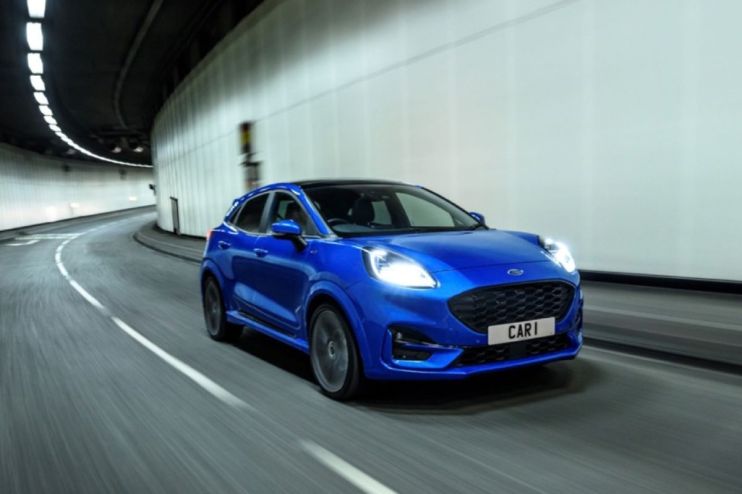
The Ford Puma isn’t new and it isn’t flashy, yet it keeps finishing at or near the top of the UK sales charts. Here’s what it gets right, and whether it’s still worth buying.
The Ford Puma has been around since 2019, and while it has never been the car anyone raves about down the pub, it has kept on selling regardless. It was Britain’s best-selling car in both 2023 and 2024, and it topped the charts again in August, despite an avalanche of new small SUVs and electric crossovers chasing exactly the same buyers.
Consistency like that is earned on the school run and in the supermarket car park, which is exactly where the Puma does its best work.
Ford Puma practicality and interior
The basic recipe is a simple one. You sit higher than you would in a hatchback, which makes getting in and out easier and gives you a better view in traffic, while the car itself stays compact enough to park without needing a second attempt.
The real party piece is the MegaBox. Lift the boot floor and you’ll find a deep, plastic-lined well with a drain plug in the bottom, so muddy boots, wet sports kit or a leaking bag of shopping can go in and be hosed out afterwards. It’s such a simple idea that it’s surprising more rivals haven’t copied it.
Ford Puma petrol and electric
Ford has also kept the line-up easy to understand. You can have the Puma with a mild-hybrid petrol engine, or go fully electric with the Puma Gen-E, so it works for people who are ready for an EV as well as those who aren’t quite there yet.
That flexibility matters more than it sounds, because plenty of rivals now push you firmly into one camp or the other. The Puma has also long had a reputation as one of the sharper small SUVs to drive, which helps it feel like more than a sensible appliance.
How much does the Ford Puma cost?
The entry-level Puma Titanium starts from £27,145, and Ford is currently advertising 2.9% APR representative finance on qualifying models through its four-year Ford Options scheme, with customer savings on some versions too.
That doesn’t make it cheap, and a well-specced Puma climbs in price quickly. But most buyers judge a car on the monthly payment more than the list price, and a low-rate deal on a car people already know and trust is an easy sell.
Is the Ford Puma worth buying?
The competition has never been tougher, with the Nissan Juke, Renault Captur and Peugeot 2008 still fighting for the same buyers and Chinese brands arriving with well-equipped alternatives at sharp prices.
Yet the Puma’s sales suggest most people aren’t hunting for the most advanced car their budget can stretch to. They want something that fits into normal life and is easy to park, and the Puma handles both very well.
If you’re shopping for a small SUV, this is where I’d start, because it’s hard to find a good reason to rule it out, and that’s a rarer quality than it sounds. Try a Captur and one of the new Chinese rivals alongside it by all means, but I’d expect most people to end up back at the Ford.