Why are more CEOs than ever addicted to cocaine?

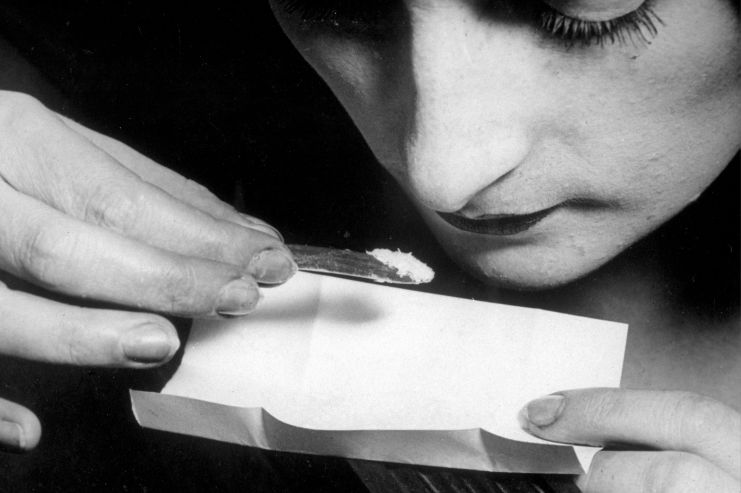
Cocaine use is surging among high performing business people, fuelled by the relentless demands of the job and a culture that normalises substance abuse, says Abdullah Boulad
Cocaine dependency is surging among CEOs, investors and their children.
The traits that propel CEOs to success – intensity, risk-taking, and unrelenting drive – are the same ones that make them vulnerable to addiction. Many are already addicted to work itself, living in extremes that spill over into their personal lives. Cocaine, for these individuals, isn’t about hedonism; it’s a performance tool. They use it to override exhaustion, sharpen focus, and keep pace with impossible demands. But this comes at a cost. The cycle of stimulants to stay “on” and sedatives to switch “off” disrupts natural rhythms, leaving them dependent on substances to function. This is not just a personal failing; it’s a systemic issue rooted in the relentless demands of leadership and a culture that normalises substance misuse.
I’ve experienced this pressure firsthand. In my thirties, as a CEO, I suffered a heart attack triggered by extreme burnout and work-related stress. The lesson was brutal but clear: if you don’t prioritise your well-being, you can’t lead effectively – for your team, stakeholders or your family. Yet, too many executives wait until they hit a breaking point before seeking help. By then, the damage isn’t just personal; it ripples through their organisations and loved ones.
The data from The Balance Rehab Clinic, a luxury rehab clinic I founded to serve ultra-high-net-worth individuals, underscores why CEOs are uniquely at risk. We’ve witnessed a 25 per cent rise in cocaine addicted clients between 2023 and 2025. Our data reveals that 96 per cent of these clients are business leaders – 90 per cent male, predominantly aged 35-48 – while the remaining four per cent are their daughters, some as young as 21.
Chronic professional pressure
Chronic professional pressure, lack of work-life balance, and sky-high stress levels create a perfect storm. Those with ADHD are particularly susceptible, as cocaine’s stimulant effect can feel like a stabiliser rather than a high. But the consequences are dire: disrupted sleep, reliance on medication, and a fractured sense of self. The more successful someone becomes, the more disconnected they often are from their emotional needs, meaningful relationships, and simple routines. Loneliness creeps in, and substances become a crutch to fill the void.
This crisis extends beyond executives to their families. The daughters of high-profile CEOs, often aged 21 and up, face their own struggles. With easy access to drugs in elite social circles, they turn to substances to cope with attachment trauma; emotional neglect from parents consumed by success. Financial privilege can’t substitute for emotional guidance, and without it, these young women are left to navigate complex feelings with dangerous tools.
The business world itself fuels this cycle. Alcohol, drugs and even prostitution are increasingly normalised in high-stakes settings. One client shared how she prepaid waiters to serve tonic water disguised as gin to avoid drinking at meetings where sobriety wasn’t taken seriously. This isn’t an isolated story – it’s a glimpse into an environment where boundaries are eroded and substance use is woven into the fabric of deal-making.
Financial privilege can’t substitute for emotional guidance, and without it, these young women are left to navigate complex feelings with dangerous tools
So, what can be done? Breaking this cycle demands more than crisis intervention; it requires a cultural shift toward sustainable well-being. Detox is the first step, but lasting recovery means relearning how to regulate the brain naturally. At The Balance, we guide clients to rebuild structured routines, incorporating mindfulness practices like Qi Gong, Yoga, or Mindfulness-Based Stress Reduction (MBSR) courses. Neurofeedback can retrain overactive brain patterns, while fostering healthy relationships outside work helps combat isolation. Scheduling breaks, even a few evenings a week, reconnects leaders to the small joys that anchor a meaningful life.
For those navigating substance-laden business environments, small strategies make a difference. Secretly ordering non-alcoholic drinks, as our client did, is one way to set boundaries. But maintaining them long-term requires support. Working with a psychotherapist and building a sober network empowers individuals to resist social pressures without feeling embattled.
High performers, especially as they age, must recognise that the body can’t sustain relentless intensity forever. Preventative mental health care isn’t a luxury, it’s a necessity. Learning to regulate emotions and energy takes time, but it’s achievable with the right tools. If we don’t act, the cost will be staggering: not just in personal health, but in the stability of businesses and families.
As leaders, we’re entrusted with immense responsibility. But we owe it to ourselves, and those who depend on us, to prioritise well-being over performance at any cost. Let’s shift the narrative from surviving to thriving, fostering a culture where success doesn’t come at the expense of our humanity.
Abdullah Boulad is the founder and CEO of The Balance Rehab Clinic, dedicated to supporting high performers and their families in achieving lasting recovery and sustainable well-being.