Vibes matter with tax, so here’s how Healey can deliver a feel-good Budget

We may think it is easy to try to predict how a major tax announcement may impact sentiment based on whether it’s a give or a take. but the evidence shows, there’s no clear correlation between tax cuts and positive reaction, or tax rises and negativity, says Tim Sarson
I’ve just come back from a two-month break. A chance to take myself away from the daily grind, see some interesting places, and effect a bit of a reboot. And I arrive back in the UK to find something similar has happened in the world of politics. Our ruling party decided to switch the machine off and on again, downloaded a software update, and has emerged with a new Prime Minister and front bench.
The underlying operating system may be unchanged, but the font and wallpaper look strikingly different. It’s out with the restrained, monochrome style of the old version, and in with something more bouncy, rather more informal and substantially more Northern.
The vibes have shifted. Yes, today we’re going to talk about “vibes”: Britain’s political word du jour.
Vibes, or what an economist would call “sentiment”, are as important in politics as they are in life. Get the sentiment right and you can push through quite radical reforms with barely a murmur (so long as the numbers add up); get it wrong, and a minor policy tweak can get you in political hot water. If sentiment is positive people and businesses spend money, and capital markets buy sovereign debt at reasonable prices. A virtuous circle with more growth bringing better public finances, lower gilt yields and more opportunities to give the voters nice things.
Tax policy is a notably vibey and emotive part of government. After all, it’s the part where you have to take people’s money off them. Never more so than on Budget day, which is the Chancellor of the exchequer’s annual chance to make headlines (good or bad).
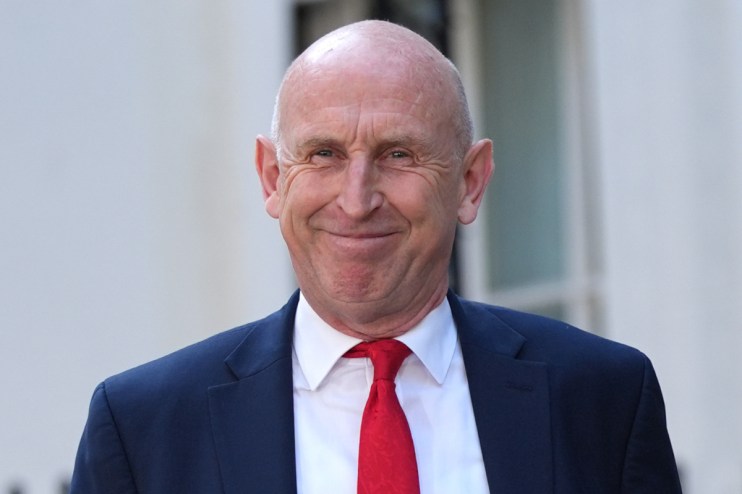
Coming on the heels of two unusually lugubrious fiscal events that were all about “hard choices”, I expect John Healey’s first Budget to return to a more upbeat demeanour from the despatch box, with the more cheerless announcements relegated to the bundles of detail that appear on the HMRC website after the speech.
What would you do if you were Chancellor?
If you were a new Chancellor wanting to shore up the finances and fix the tax system, how might you go about it? In tax policy you’re either spending financial capital for political benefit, or spending political capital for financial benefit.
We may think it is easy to try to predict how a major tax announcement may impact sentiment based on whether it’s a give or a take. However, our policy team looked at recent tax measures and the noise they generated, leading to some fascinating results. Looking at polling from Yougov and Hansard parliamentary records, there’s no clear correlation between tax cuts and positive reaction, or tax rises and negativity. Certainly, some tax raising measures have generated noise disproportionate to their fiscal impact, with the reform of Agricultural Property Relief for inheritance tax (IHT) a standout example. Avoid this sort of thing and you keep your political capital intact for other more important changes.
Some measures have been unpopular and financially significant, like the rise in Employers’ National Insurance Contributions (NIC). Some go under the radar, at least to start with. The freezing of income tax thresholds made few immediate ripples but is now, according to our new PM, a significant voter gripe on the doorsteps of Makerfield.
Others show up as popular in polling, notably the non-dom reforms and oil and gas windfall tax, despite heavily negative reactions from the affected taxpayers.
The Employee NIC cuts ahead of the last election are an example of an expensive measure that, whilst polling positively, made few waves at the time. Others, especially those relating to corporate tax incentives, are often too obscure to register with the general public.
What’s clear is policies that hit a small group of taxpayers with a large bill generate more bad press than those that hit most of us with a small one.
The Chancellor could scrape a number of barnacles off the fiscal boat in October’s Budget without hitting public finances too hard, and he could, if needed, generate some decent additional revenue whilst avoiding too much negative comment. But the picture is complicated. Some reforms might play well with the public but have damaging unintended consequences on behaviour, or they may clog up our already complex system with irritating little reliefs.
Other, positive changes may be unnoticed or even unpopular or divisive, but have a big economic effect down the line.
For example: removing stamp duty on shares, adjusting income thresholds and tapers to eliminate ultra-high marginal rates, and dropping the headline corporation tax rate. The first wouldn’t register with voters but sends a clear, relatively cheap, signal to capital markets. The second polls neutrally at best, because it looks like a tax break for the well off, and the third isn’t even being loudly asked for, yet UK policy relatively recently was to reduce the rate towards 17 per cent in order to drive investment.
Taking all this into account, here might be a recipe for a moderately successful fiscal event: A few cheap but popular measures, subject to the test “does this make tax simpler or more complicated than before”; tax raising policies, if needed, that should answer the two questions “will this kick up a stink for little benefit”, and “are we confident this won’t have bad economic consequences down the line”; necessary reforms and overhauls of the system, announced quietly on the day and with proper consultation before hitting the books; and if the money’s there, tax relieving measures that can boost productivity and investment and pay for themselves, like expanding the scope of the patent box or improving the Foreign Income and Gains rules for what we used to call non-doms.
If Healey can deliver at least some of this, and do it with a smile on his face, then my vibes will definitely be up. So, hopefully, will those of the general public and the debt markets.
Tim Sarson is head of tax policy at KPMG