Spending Review: Justice set for £7bn as Reeves calls for ‘necessary action’ to keep the country safe

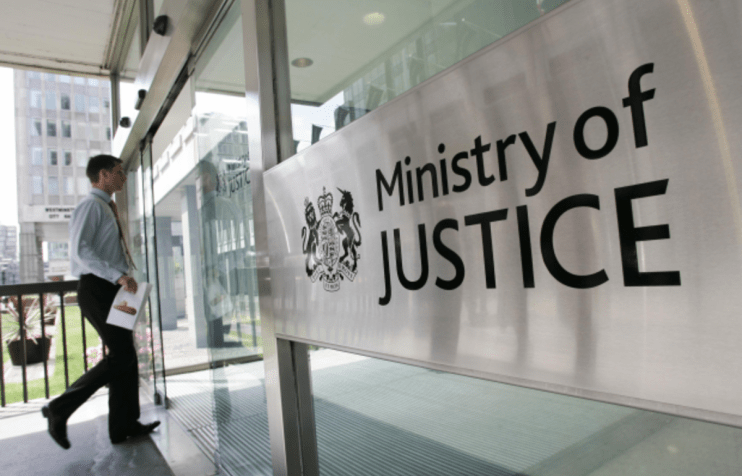
The Treasury has set aside £7bn to “support the justice system,” as Rachel Reeves called out the Conservatives for leaving the prison system on the brink of collapse before they left office.
Reeves outlined that Labour’s Spending Review will provide the Ministry of Justice (MoJ) with £7bn from 2024‑25 to 2029‑30 to build 14,000 new prison places.
In the review, the Treasury quoted that 500 additional prison places were created between 2010 and 2024, as it promises to build 14,000 new prison places by 2031.
In the summer of 2024, prisons were operating at over 99 per cent capacity. The then newly appointed Justice Secretary, Shabana Mahmood, announced last July her plans to release more prisoners at the 40 per cent mark of their sentence to help tackle the issue of overcrowding.
This followed a similar plan by the previous Tory government when former Justice Secretary Alex Chalk oversaw ‘Operation Early Dawn’.
The Spending Review sees up to £700m per year by 2028‑29 provided to be used to transform the probation system to “encourage offenders to turn their backs on a life of crime”.
The full force of the law?
It is common for many offenders to be repeat offenders, as they are often trapped in a ‘revolving door‘.
While the delays and issues in the court system are worsening, at the end of September 2024, the backlog stood at an unprecedented high of 73,105 open cases, representing a 10 per cent increase from the previous year.
The Spending Review is providing the court system with up to £450m in additional investment per year by 2028-29, with a focus on increasing Crown Court sitting days to “record levels”.
There will be increased capacity every year to process asylum appeals “to help reduce illegal and irregular migration and bear down on asylum costs”, as noted in the full review document.
The Chancellor told MPs for people to feel safe, they need to know that “when people break the law, they must feel the full force of the law”.
In addition to the funding, she said she “will do more”, promising to increase the police spending power by an average of 2.3 per cent per year in real terms over the Spending Review period.
She stated in her statement that the move is worth more than £2bn, as she alleges it will support Labour’s commitment to put 13,000 police officers, police community support officers, and special constables into neighbourhood policing roles across England and Wales.
Criminal barristers are missing
Commenting on the allocation, Tom Franklin, chief executive of the Magistrates’ Association, said they “are pleased to see the considerable additional investment in criminal justice”, hoping it will speed up justice.
“However, “However, the devil is in the detail and, while the additional money is very welcome, other parts of the justice system need investment too.”
“There was no mention of tackling the dire shortage of legal advisors in magistrates’ courts, which is leading to up to one in ten sittings being cancelled, or the need to recruit up to 6,000 additional magistrates over the next few years,” he added.
While the Chair of the Criminal Bar Association, Mary Prior KC stated that “increasing the numbers of police officers or probation officers is welcomed.”
“They will deal with detection of crime and rehabilitation of offenders. For their work to matter people who commit crime must be prosecuted and convicted.”
As Prior pointed out, “We, the criminal Bar, are always the least important, the least valued, the most ignored key workers. The public service which we do is not headline-grabbing politics.”