Sorry Miranda, fear-led leadership doesn’t work for women anymore

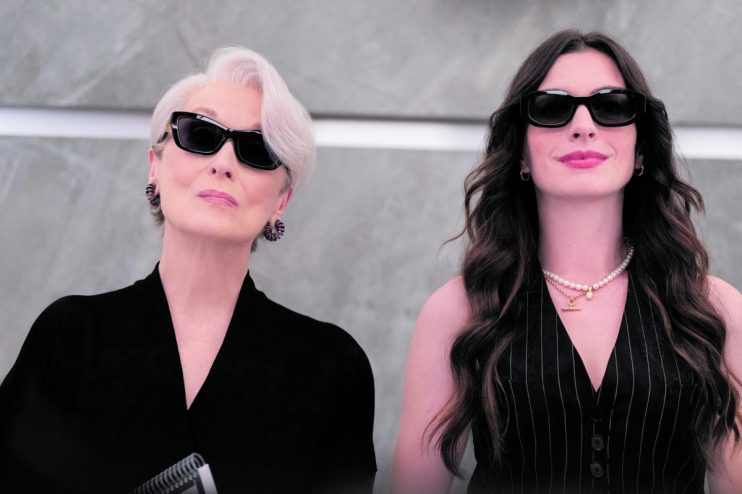
The icy, fear-led leadership of Devil Wears Prada fame is not only no longer in vogue, it’s no longer effective, writes fintech entrepreneur Lissele Pratt
The nightmare female boss of the 90s has retired
When I first saw The Devil Wears Prada in 2006, I was 10, so I wasn’t exactly thinking about workplace dynamics at the time. But I definitely internalised the message that a successful woman in business looks like Miranda Priestly – icy, emotionally unavailable, and never vulnerable.
In my early 20s, I worked as a junior FX broker in London, and I saw the archetype play out in real life. I was the only woman on the team, and there were moments when I was called “too emotional” or excluded from the traditional boys’ club.
There was this unspoken rule that, if you want to be taken seriously, you tone yourself down. Less warmth and less emotion.
Now I run a seven-figure fintech company with incredible women across our team, and I’ve been really intentional about not repeating that pattern. Because, while fear-based leadership can produce short-term compliance, it rarely creates the conditions for better thinking or long-term loyalty.
That shift is becoming more visible as younger generations enter the workforce. Employees today are placing greater value on transparency and empathy, and they’re more willing to leave environments that feel unnecessarily hierarchical or performative.
I was recently listening to researcher Brené Brown discuss how fear may drive immediate results but has a “very short shelf life”. Her observation was that Gen Z are unlikely to tolerate fear-led cultures for long.
So I’ve chosen to lead with what I call “post-fear leadership”. That means creating a culture where vulnerability is not viewed as weakness, where leaders do not have to pretend they have every answer and where experimentation is encouraged rather than punished.
In 2026, the Miranda Priestly archetype no longer needs to define what power looks like for women in business. More importantly, it no longer needs to define leadership at all.
Community building is business’s best hack
Community building is becoming one of the defining trends of this generation.
After years of digital overload, people are craving real-world connection again. In fact, Eventbrite found that 73 per cent of 18 to 35-year-olds plan to attend live events in the next six months. That number was barely half in 2022.
I see this firsthand through the founder dinners and community events I host around the world. People want spaces to connect beyond the algorithm. If you’re a business owner, this is a real chance for you to build a community of people who genuinely want to belong to you.
The hobby-maxxing founders
Scroll through social media lately and you’ll notice a shift. People aren’t flexing Netflix binges anymore – they’re sharing calendars filled with pottery classes, run clubs, sourdough starters and surf lessons. That’s hobby-maxxing: trading passive screen time for things you actually do with your hands.
Founders may not be doomscrolling Tiktok, but many are still trapped in Slack, email and constant input. The happiest founders I know break that cycle with hobbies. And new research suggests they’re onto something, as hobbies can increase creativity and create a greater sense of meaning at work. Turns out, a bit of distance can make you a better founder.
Quote of the week
Leadership is about making others better as a result of your presence
Sheryl Sandberg
What I’m listening to
I’ve been listening to The Mindset Mentor podcast by Robert Dial. I love it because it reminds me that your mind is a muscle and you have to rewire and strengthen it every day, just like you would train your other muscles in the gym. I’m really intentional about what I feed my mind (you have to be, as a founder), and that podcast helps me to stay disciplined and focused in the right mindset each day.
Lissele Pratt is a fintech entrepreneur, speaker and host. She is the founder of London fintech consultancy Capitalixe and has appeared on the Forbes 30 Under 30 Finance list