OpenAI listing plans hit as Altman scraps robotics spin-off idea

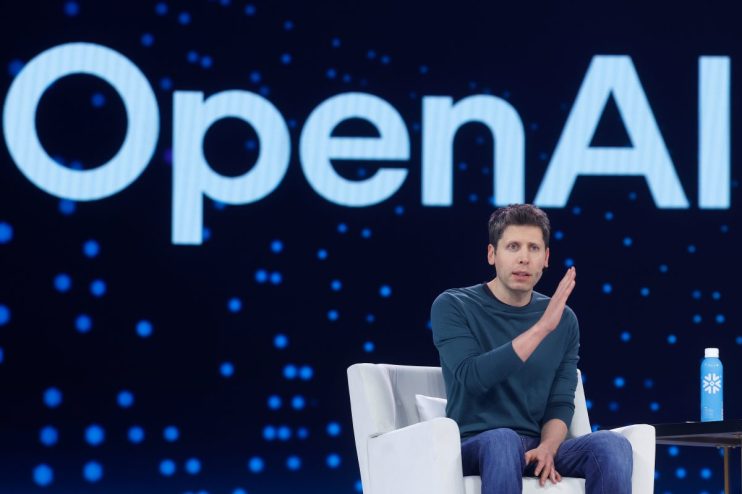
Tech behemoth OpenAI internally shelved plans to spin off its robotics and consumer hardware divisions, as chief executive Sam Altman tightens focus ahead of a potential IPO that could value the company at up to $1 trillion (£737bn).
The proposed restructure, as first reported by the Wall Street Journal, would have mirrored Alphabet’s model, separating core AI software from more experimental bets like robotics and devices.
The aim was to let those units raise external funding and scale independently without weighing on OpenAI’s core financials.
But it seems the plan was abandoned after it became clear the divisions would likely still need to be consolidated into OpenAI’s accounts, removing the key benefit of a breakup.
OpenAI robotics expansion raises pressure
The U-turn comes despite OpenAI rapidly expanding beyond its LLM roots.
According to a recent Business Insider report, the firm has built a humanoid robotics lab in Silicon Valley, employing around 100 staff to train machines on real-world tasks like folding laundry and preparing food using robotic arms.
Meanwhile, the ChatGPT maker has been building out a hardware strategy, including its $6.5bn acquisition of Jony Ive’s startup and partnerships to develop custom AI chips and infrastructure – moves that have turned it into a far more complex, capital-intensive business.
These growing ‘non-core’ divisions are understood to have prompted the spin-off discussions, as investors increasingly scrutinise how OpenAI balances experimental projects with revenue growth.
OpenAI gears up for IPO
The rethink also reflects mounting pressure as OpenAI prepares for a potential public listing.
The company has missed internal revenue and user growth targets in recent months amid intensifying competition from rivals such as Anthropic and Google in enterprise AI.
At the same time, the firm is juggling substantial spending commitments on AI infrastructure, raising internal concerns about whether growth can keep pace with costs.
Altman has acknowledged the disruptive potential of the technology, warning that “whole classes of jobs” could disappear, while also criticising companies for overstating AI’s role in layoffs – accusing some of “AI washing” job cuts.