Letting Britain’s arts buildings crumble will cost us all

Culture is essential civic infrastructure, but Britain is letting its arts buildings fall into disrepair, writes Southbank Centre chief exec Elaine Bedell
Economic growth is at the top of the government’s agenda. So why did one of Britain’s most successful sectors barely get a mention at this year’s party conferences?
Our creative industries generate £124bn in economic value and support 2.4m jobs. We’re the world’s third-largest creative industries powerhouse, behind only the United States and China. For a relatively small island, we punch spectacularly above our weight.
At a time when Britain seems increasingly determined to talk itself down, this should be a source of enormous national confidence. We have the most extraordinary creative talent across the country from homegrown global superstars to some of the most talented technical craftspeople in the world. Instead of taking this for granted, we should be investing in this success: enabling the sector to create more jobs, better support health and wellbeing and bringing new creative energy to our towns and cities.
The Autumn Budget presents an opportunity to build on our national strengths, a chance for the government to recognise culture as essential civic infrastructure and capitalise on one of Britain’s greatest economic assets. The real test will be whether arts and culture feature meaningfully in the government’s forthcoming 10-year plan, backed by a serious commitment to long-term investment.
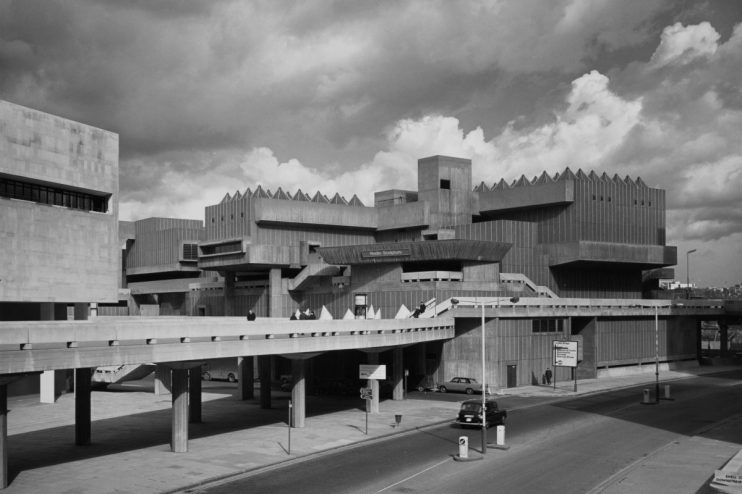
There is a precedent: in 1951, Clement Attlee’s government invested in the Festival of Britain as part of the country’s post-war recovery. The Festival (attended by one in three Britons) presented optimistic visions of the future seen through the lens of design and technology, art and music: it managed to unite a battered nation by yes, giving people a great show, but also by demonstrating how the UK could lead the world with its creative talents. The Southbank Centre’s Royal Festival Hall – built for the occasion – remains one of its most enduring legacies.
75 years later, the Southbank Centre welcomes more than 11.6m visitors annually. It is a reminder of what investment in culture can deliver for generations and why we must look after and invest in the buildings that make these experiences possible.
The government’s own research estimates that England’s cultural venues need £7bn in repairs, maintenance and renewal, including £3bn urgently over the next five years. The £425m Creative Foundations Fund is a welcome step in the right direction, but the scale of the challenge calls for even greater ambition.
Allowing these buildings to deteriorate is a false economy: the longer we delay investment, the more expensive repairs become. Cultural institutions attract visitors who spend money in the wider local area, in its restaurants, hotels and shops and help to regenerate communities. Letting these venues fall into disrepair puts that economic contribution at risk.
At the Southbank Centre, we’re committed to being a genuinely national institution. Over the past year, our work has reached 40 towns and cities across the UK, bringing culture to communities far beyond London. It is this kind of national reach that shows how the arts can contribute to local economies and communities across the country.
There are some practical solutions, including the proposed overnight visitor levy, which offer an opportunity to reinvest tourism revenues into the cultural attractions that bring people to Britain in the first place. That’s why the culture sector is asking that at least half of its proceeds should be ring-fenced for cultural infrastructure.
The government has laid out a clear ambition that everyone, everywhere should have access to the world-class culture our country is renowned for. Optimising tax reliefs to sustain domestic touring and protect venues across the UK would build on existing measures for theatres and orchestras, helping them bring their work to audiences nationwide and deliver on that ambition.
And there is another reason why investment in culture matters.
As AI changes the way we work and as more of our lives move online, I believe the demand for live experiences and events will only grow in popularity and value. Whether at a gig or a local football match, people will crave these opportunities to come together and see for themselves the dramas play out, bear witness themselves to the results of extraordinary, very human talents.
Yet just as the live experience is becoming more valuable, we’re allowing too many of the spaces that house them to deteriorate. Capital investment is a long-term commitment. Its benefits may take decades to realise, but every year of delay makes renewal more expensive and puts more of our cultural infrastructure at risk.
My message to the Chancellor is simple: let’s recognise the extraordinary contribution the arts already make and be ambitious about what they could achieve next. If the government is serious about delivering growth in every postcode, culture deserves a central place in its 10-year plan, with the investment to match.
Britain has so much to offer the world creatively, and there is every reason to be optimistic about what comes next. I look forward to seeing how the government chooses to support that potential, and to what we can achieve together.
Elaine Bedell OBE is chief executive of the Southbank Centre