Let the market fix the oil crisis

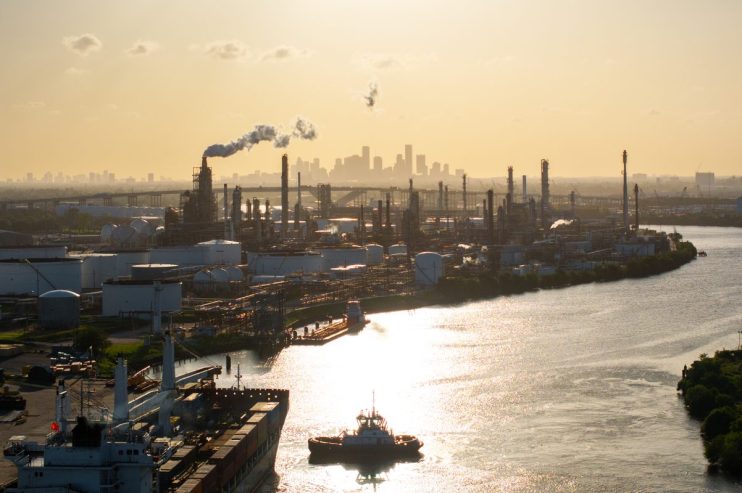
The conflict in Iran is unlikely to lead to 1970s-style oil rationing, but policymakers must use price mechanisms and encourage domestic energy investment to insure against unpredictable escalations, says Andy Mayer
In 1979 the Iranian Revolution sparked the ‘second oil crisis’ as the price of crude oil more than doubled to $40 per barrel. Although global production only fell four per cent, then seven per cent during the following year’s Iran-Iraq war, it took time for policy and global supply chains to adjust. The price shock lasted until the mid-1980s.
Jimmy Carter, then US President put symbolic solar panels on the roof of the White House, which were later removed. But more importantly, began phasing out Nixon’s price controls from the first (1973) oil crisis, which allowed consumers and producers to respond dynamically to higher prices with rationing and investment in new resources.
The crisis encouraged energy efficiency and launched the Japanese car industry on the back of smaller, cheaper models than those produced in Detroit. It created an oil boom in Texas, Alaska and the North Sea, and drove investment in fracking technologies that would be crucial to keeping US oil and gas prices low in this century.
The progress and consequences of the current conflict is uncertain. The immediate concern stems from drone strikes that forced the closure of the Qatari Ras Laffan complex, responsible for around 20 per cent of global LNG shipments, mostly to European and Asian buyers. These have to travel through the Straits of Hormuz, and are exposed for 1,000km of the trip to potential missile and drone strikes.
Oil supplies are also disrupted but there are pipeline alternatives through Saudi Arabia and the UAE that can relieve if not replace lost shipments. Markets have reacted accordingly, with Asian and EU natural gas prices up 55-70 per cent, while global oil prices have only jumped 15-20 per cent. A Nigerian LNG shipment has been diverted from the Atlantic towards Asia and the current stability of US regional prices suggest there is some capacity to plug the gap. In fact this boon may be among US war aims.
The UK is not as exposed as Europe
The UK is not as exposed to this conflict as the rest of Europe, bar through higher prices, as most of our imported natural gas comes via pipelines from Norway. We also, despite the government’s best efforts, still have domestic production from the North Sea.
That the conflict has started in a warm spell going into Spring will also provide relief on Europe’s depleted reserves, with plenty of time for policy responses and rerouting. We should not then expect to see queues at the pumps as in the 1970s, or a winter of discontent, unless the crisis cascades in unpredictable ways, for example encouraging a surge in Norwegian nationalism.
The insurance against such possibilities is what should concern policymakers. It is simply unwise to continue adding costs to fossil fuels we still consume. The planned return of the fuel duty escalator and windfall tax on the North Sea could be suspended. If prices spike as they did in 2022, the government needs to follow Carter/Reagan and let the price mechanism work (offset by targeted welfare), not Truss/Nixon by subsidising use. It needs to let domestic fracking take off, like the Texas boom in the 1980s, and build new trade links with African producers, to hedge our risks.
The Net Zero challenge to oil and gas does matter but provides no short-term relief and in the case of the UK is targeting the wrong solutions. Renewables are unreliable and require a duplicate firm power system to operate when they cannot. The best low carbon solution is nuclear power and if we’re building that affordably we don’t need renewables. The government then should continue with plans to deregulate the industry and let the market deliver longer-term solutions.
Andy Mayer is chief operating officer at the Institute of Economic Affairs