Landlords, get ready to be gazundered

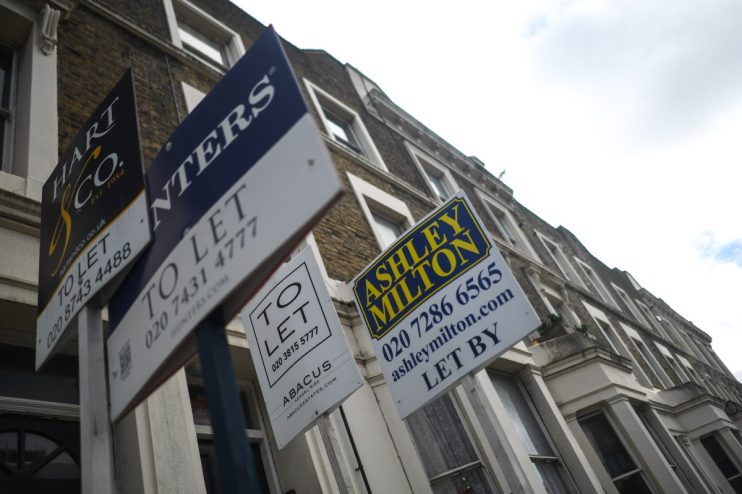
The Renters’ Rights Act is introducing a ban on “overbidding”. Government interventions in pricing rarely end well, and this too will have unintended consequences, says William Reeve
We’ve all been there. The agonising dance involved in deciding how much to bid for a property. The “how high should we go?” conversation plays a role every time a house is purchased or a property rented. But this psychological two-step is about to turn on its head for the rental market. In just a few weeks, instead of deliberating how high you’re willing to go, you’ll be game-planning how low. Welcome to the new world of gazundering.
From 1st May, the Renters’ Right Act will come into force. A seminal piece of legislation, the Act is changing everything from how tenants can be evicted, to how landlords are expected to tackle mould. A key change is a ban on “overbidding”.
Inspired by a similar piece of legislation introduced a few years ago in New Zealand, the ban on overbidding is designed to prevent the price escalation ping-pong that tenants – often desperate to secure a home in an overheated, under-stocked rental market – can find themselves caught in. From May onwards, the advertised price of a property is the maximum price a landlord or agent can accept.
At first glance, it makes sense. Tenants should be able to take prices at face value and shouldn’t be spooked into paying over the odds. Through this simple rule, we can end the over-bidding wars.
Unfortunately, that’s not how markets work.
Instead of ushering in an era of stable price setting and straightforward tenant contracting, we’re unwittingly creating an incentive for landlords to overprice their properties
Instead of ushering in an era of stable price setting and straightforward tenant contracting, we’re unwittingly creating an incentive for landlords to overprice their properties. If tenants can’t overbid, landlords and agents must hedge for the fact that they might under-bid. That means buffer room needs to be built into advertised prices in case of gazundering.
For the nation’s 11m renters, this threatens to create chaos. Different landlords will boost prices by different amounts, creating uneven rental metrics that skew true market value. These metrics will be looked at and relied upon by the next wave of landlords and agents looking to price rentals, creating a cycle where no-one is really sure what “market rate” means any more.
No more market signals
This means we’ll no longer be able to rely on market indices that take their signals from advertised prices, because we’ll have no idea how much gazunder-proofing is being baked in. It will necessitate a switch to new models which track contracted prices, if landlords and agents are to have any hope of pricing fairly and realistically.
And for renters, a new type of negotiation agony will ensue. Should we underbid? What if someone else offers the asking price? How low is too low? As a result, many will still end up paying over the odds, misled by the market pricing optical illusion gazundering encourages. Others will get looked into an underbidding war, as they battle to see who amongst the prospective tenants will blink first.
Government interventions in price setting rarely end well, however well-intentioned. A small tweak can unravel a cascade of unintended consequences. And whilst markets (and the people who power them) are very good at figuring things out eventually, the short-term impacts can loom large for the individuals caught out by them. (Interestingly, New Zealand – whose 2020 rental reforms apparently inspired this change and many other of the Act’s key reforms – recently reversed its ban on no-fault evictions in an attempt to boost a stagnating rental market.)
If we don’t want to fall down a gazundering vortex, the onus is on all stakeholders – tenants, landlords and agents – to put fair, transparent and collegiate engagement at the heart of their decision making and communications. Perhaps then we can quit the mind games and resist the gazundering era from taking long-term hold.
William Reeve is CEO of Goodlord