Jeremy Hunt is right to ask Can We Be Rich Again?

With the CBI’s latest economic forecasts warning of a dramatic spike in unemployment and a prolonged period of anaemic GDP growth, it’s a good time to reflect on the question posed by former chancellor Jeremy Hunt in his latest book, Can We Be Rich Again?
The book is the latest in a series of works on the theme of How to Fix Britain, and if you’re tempted at this point to cry “you had 14 years” then you’ll be making the same mistake I did when I interviewed Hunt last week. I say mistake, because the truth is that while detailing his diagnosis and prescription, the Tory grandee doesn’t shy away from mistakes made by successive incarnations of Conservative governments.
In the book, Hunt is honest about his own mistakes and in my interview he was quick to concede that his party “hasn’t got everything right.” But he also points to a succession of major disruptions that have left deep scars: the global financial crisis, the Covid pandemic and the Ukraine war energy shock. To this list we can add the current Iran crisis and of course some people would include Brexit, as well.
I asked him whether these events have simply made it harder to govern the UK, but while he counts the economic cost of these shocks he blames the fact that through them all we’ve simply been “busy passing laws that, with the benefit of hindsight, we can see are wrong.” Put simply, “we have made life harder for ourselves” through well-intentioned but deeply damaging regulations and short-sighted interventions in areas such as planning, human rights, judicial review, welfare, pensions and the public finances. With characteristic understatement, Hunt suggests “we have made the plumbing of government a bit more complex than it needs to be.” And more expensive.
During our conversation it became clear that welfare reform is an area to which he intends to devote his time and energy, pointing out that the government could save £56bn per year if it brought the welfare bill back down to its pre-Covid level in 2019. He also calls time on the triple lock on the state pension, and intends to work for a cross-party consensus on reforming this most sensitive political issue.
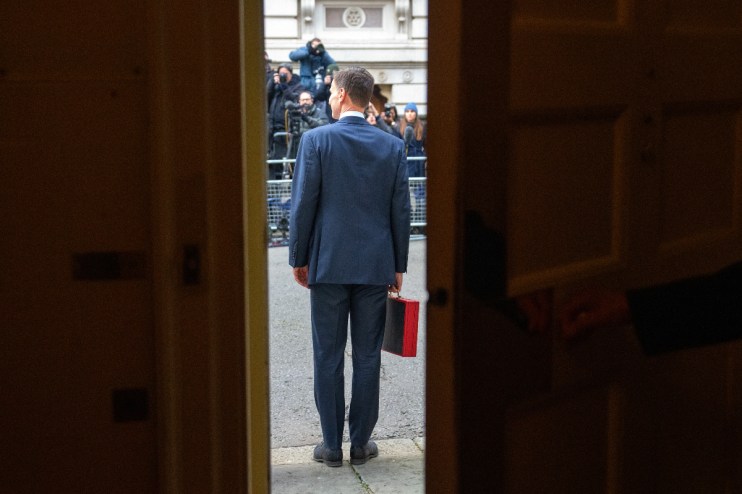
He said he wishes he’d “been given this book on the day I became chancellor.” That ship has sailed, but it should certainly be read by anyone who aspires to hold up the famous red box.