Housebuilders pull out of London over Labour planning ‘nightmare’

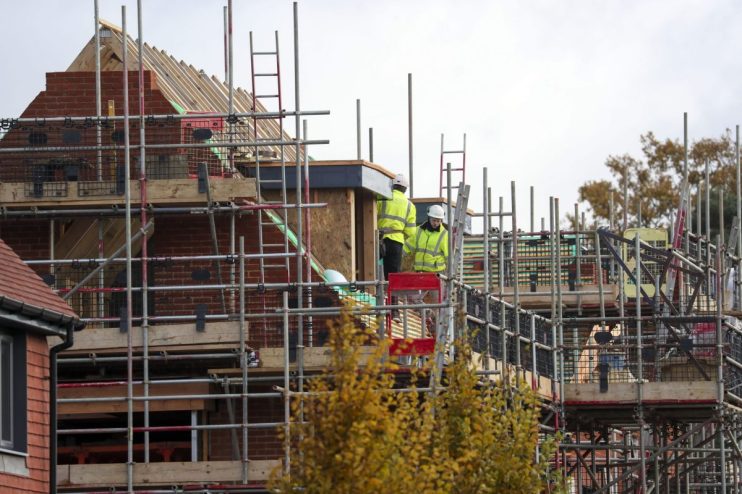
Top housebuilders have begun to pull out of London citing a “nightmare” of planning objections that have made developments unviable.
Listed housebuilders Taylor Wimpey and Berkeley Group both said that the costs of navigating the huge complexities of red tape and planning processes in the capital are making them less willing to continue investing.
This week, a judge rejected Berkeley’s appeal against the rejection of its plans to build 867 new homes on the site of a shopping centre in Peckham.
The housebuilder’s Aylesham Centre redevelopment was initially rejected on heritage grounds, and Southwark Council’s celebration of the decision was slammed as “downright offensive” by industry figures.
Berkeley claims the project would have created 1,000 jobs and 60 apprenticeships, as well as generating more than £13m in extra annual spending in the area.
The housebuilder held six rounds of public consultation and 300 separate meetings with key stakeholders about its plans for the site, which has been earmarked for development since 2014.
Case for housebuilding ‘evaporates’
Rob Perrins, Berkeley’s executive chair, said heritage objections are being used as “a blocker” by planning inspectors and local authorities.
“This 10-year planning nightmare demonstrates the gulf between positive planning policies and what actually happens when you try to build homes in London. All the policies support housing, but the decisions block it time and time again,” he said.
Another key London development for the housebuilder, the Motspur Park Gasworks in Kingston, has been put on hold by the government despite already being approved by London mayor Sadiq Khan.
Berkeley has written to the housing ministry to ask why this development has been blocked and when it will be allowed to move forward, City AM understands.

“All of this creates extreme uncertainty and is undermining the Government’s housing agenda. Housing delivery in London is at a record low.
“At a time when we should be fighting to attract investment and build more homes, we’re fighting it off. The result is fewer homes, less growth and a worsening housing crisis,” Perrins added.
Berkeley is committed to completing its existing sites in London but has not purchased new land in the capital for more than four years, it is understood.
The firm’s housing delivery target for London has fallen from about 6,000 to 3,000 homes per year and the group has halved its on-site workforce in the city.
Perrins’s comments echo those of Jennie Daly, chief executive of Taylor Wimpey, who said the economic case for developing in London has “evaporated”.
Asked if Taylor Wimpey will commit to further projects in the capital, she told The Times’s The Business podcast: “No. Baseline viability is, I think, fundamentally broken in London.
“The reward for undertaking what is a very high-risk form of development in London has just evaporated.”
Daly said red tape is posing significant challenges for housebuilders, citing a new requirement for every high-rise block of flats over 18 metres to have a second staircase.
The housebuilding boss said these barriers are compounded by the “affordability challenges” which have suppressed demand for new homes.
The government has pledged to build 1.5m homes by 2029 but housing secretary Angela Rayner recently admitted that this is a “stretch target,” with recent data showing delivery is lagging far behind this goal.