Google Pixel 11 review: Can this new smartphone lure away iPhone users?

Two years ago I reviewed Google’s folding phone and I was blown away. The extra screen real estate was transformative, particularly for someone like me who spends most of their time on smartphones reading.
So enamoured by this device did I become that I ditched my previous handset and made it my own. I confidently predicted that, before long, folding phones would become the device of choice for business execs (I still think I’m right, though adoption is taking time).
Then, disaster struck. Two months ago, the battery indicator stopped working – it was replaced on screen with a question mark. A few days later, the front screen started getting laggy – then it stopped working altogether and I had to unfold the phone to use it. Not long after that, both screens blacked out and it became entirely unusable.
I haven’t figured out the cause of death for my much-loved first folding phone, but I do wonder whether our scorching summer heatwaves might have had an effect on its delicate internal organs.
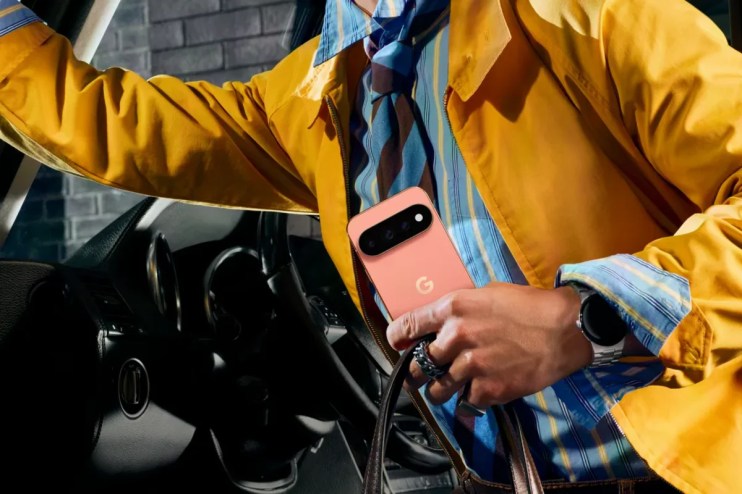
In any case, with Google’s latest release this week, I stayed on safer ground and reviewed the tech giant’s more conventionally-designed, single-screen Pixel 11. And I remain impressed.
New features on the Google Pixel 11
First up, it feels really nice to hold, which is important as you’re going to be holding it for hours every day. The moment you start using it it feels faster, slicker. The screen looks brighter and more vivid, while the camera is noticeably more versatile.
It’s also lighter and the battery can charge as much as 25 per cent faster than the previous model – handy for poorly-organised folk like me. And for those who don’t switch phones often, they guarantee seven years of OS updates.
There are a bunch of new AI features that you may or may not find useful. One new feature (only on Pro) I like is the ‘hilight’ function, which lets you assign specific colours to contacts for a flashing light on the back of the phone, so you know who has called. I used to love that my old BlackBerry did this, and I’m heartened to see it re-entering the mainstream.
What is interesting – from the perspective of nerds like me, at least – is that there has been no improvement in compute memory from the previous generation. The entry-level Pixel 11 boasts 12GB of memory, which is the same as that of the Pixel 10 and Pixel 9. Meanwhile the Pro models have actually got a downgrade: the lowest-storage Pro 10 has 16GB memory, while the lowest-storage Pro 11 has 12GB.
That’s the latest sign of ‘Ramageddon’: where AI hyperscalers have put such strain on the supply of chips that consumer electronics firms have had to slow down upgrades to keep a lid on prices. Expect to see similar in Apple and Samsung’s releases later this year.
Speaking of Apple and Samsung, these two giants of the industry are Google’s biggest targets: it will have to get customers to switch to build market share. I don’t know if the latest Pixel range offers quite enough to tempt them away. But as a fully paid up Android user, I am pretty happy.
• The Pixel 11 smartphone goes on sale this week. Prices start at £879