Going for growth? Labour groups set out competing visions for economic strategy

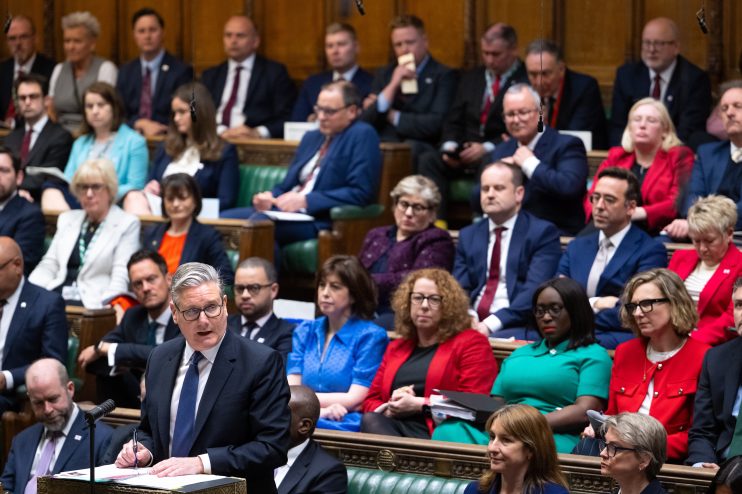
Competing groups of Labour MPs have published contrasting growth plans on Tuesday, just as Sir Keir Starmer’s leadership stood on the brink.
Both the left-wing Tribune group of MPs and the more centrist Labour Growth Group published pamphlets setting out a number of ideas for growth and tax reform.
Tribune’s report, led by former transport secretary Louise Haigh, said the Treasury “defaults toward caution” and suggested that fiscal rules should be re-written.
It also reflected arguments that some areas of government should be “permitted to borrow outside of the fiscal rules”.
Haigh’s chapter on the fiscal framework added: “We must stay the course on reaching a balanced current budget or surplus for the first time since 2001. This is crucial to mending Britain’s reputation and rebuilding our resilience to future shocks.
“It is also only fair to future generations, and honest with the public about what it costs to run our country. Only once we have achieved this can we look to further reform our fiscal rules.”
The report took aim at the Bank of England’s quantitative tightening programme that “actively damage[s] the government’s balance sheet”. It called for wealth taxes to be increased and VAT to be lowered in order to encourage the hospitality sector to employ more young people.
The new volume by Tribune was written by a number of Labour MPs, including former Financial Times journalist Yuan Yang – who recently called on the Chancellor to impose rent caps – and ex-think tanker Jeevun Sandher.
Battle for Labour’s future
A separate report by the Labour Growth Group, which is headed by Chris Curtis, called for national insurance to be cut and capital gains tax exemptions to be reformed.
The 109-page report called for radical devolution to councils and local authorities, particularly through fiscal reforms. The Treasury is currently consulting on plans to give mayors greater powers over taxation ahead of this year’s Budget.
The report also said Thames Water should be allowed to fail and fall into a special administration regime while new investment reliefs should be offered for founders and venture capitalists.
The core philosophy in the report, authored by the Labour Growth Group mastermind Mark McVitie, called on the economic framework to reward those who work rather than those who own assets.
Research also recommended making sweeping changes to government departments, including through the creation of a “Department of the Prime Minister” to oversee core government priorities and forcing decisions through.
The report has been welcomed by influential figures including Matt Clifford, the former AI adviser in Downing Street, and Panmure Liberum economist Simon French.
Labour backbenchers seek influence
Both Curtis and Haigh recently appeared at a growth conference together in what appeared to be an attempt to bridge the gap between factions across the Labour backbenches.
Yang also said on Tuesday morning that the main focus across the backbenches was to boost growth and ease inflation, adding that there was consensus in the Labour Party against making “large unfunded pledges”.
The two reports may, however, raise suspicions that ideas are being shared before any new leader takes to government. Haigh, Yang and Curtis are among 81 Labour MPs who have called for Sir Keir Starmer to resign.
It is understood that Wes Streeting and other Cabinet ministers got advance sight of the Labour Growth Group’s report.