Gilt yields – the hidden driver of house prices

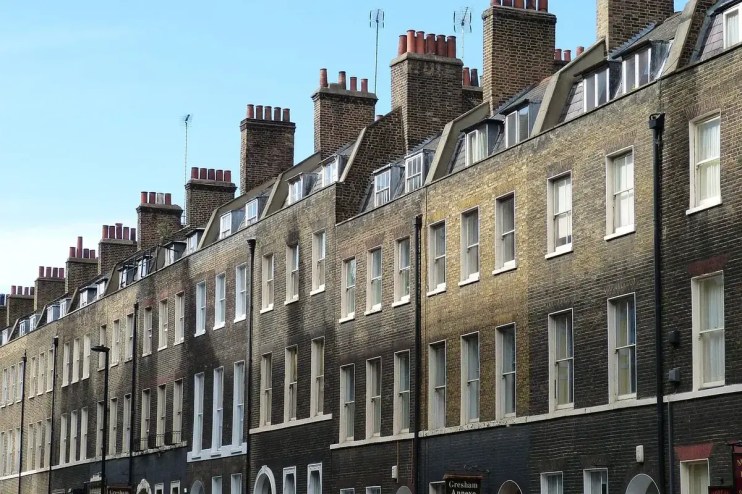
Everyone has assumed, understandably, that the two main factors influencing UK house prices are supply and affordability, but there is a third driver: gilt yields, says James Sproule
James Carville, Bill Clinton’s political strategist, famously said if reincarnation was real, he wanted to come back as the bond market, “because then I can intimidate everyone”. Yet for years, most people outside financial services paid scant attention to gilts, until the “Zero Interest Rate Policy” came to an end in 2022 and it became obvious – once again – that money has a cost. However, one challenge was the rapidity of this realisation, and we are still seeing parts of the broader economy playing catch-up; nowhere more so than in the property sector.
Everyone has assumed, understandably, that the two main factors influencing UK house prices are supply and affordability. Neither is controversial; people can only purchase if there are things to buy and they are confident about making a big financial commitment. But recently, the assumption that these are the only drivers is being questioned. These factors certainly do still matter.
Take supply: the UK has roughly comparable demographics to France; both nations have around 69m people, with broadly similar age cohorts. But where France has 36m homes, Britain has just 30m. In fact the UK has one of the lowest proportions of homes per capita in Western Europe, which is why successive governments have promised, hitherto unsuccessfully, to build around 150,000 homes per year.
What is ‘affordable’?
Affordability also remains critical. There are two ways of considering how ‘affordable’ houses are – you can either measure earnings relative to prices, or how much of your income is taken up paying a mortgage. The two measures are subtly different and give you discrete indications; prices are more a measure of long-term value and are less vulnerable to interest rate movements, whilst mortgage payments give better indication of short-term affordability. However, in both cases, matters are improving. The price-to-earnings ratio peaked in the autumn of 2022, at just under six times average income, while earnings-to-mortgage payments peaked a year later, when expectations began to grow that the Bank of England would lower interest rates. Together, these factors should lead to prices rising, as more people can afford to buy, and therefore compete. But to really see a price surge, you would need to have confident consumers and they remain in short supply.
This leaves something else currently driving the property market, and that is yields. Although two thirds of homes in Britain are owner-occupied, a significant number – around 20 per cent – are private rentals, enough to have a significant effect on wider market prices. When investors are considering where to deploy their capital, the first priority is the rate of return and the risks inherent in earning it. The basic risk-free rate of return is set by government Gilts, safe but boring. Owning property does give better returns, but carries more risk. The liabilities of owning property range from ongoing commonplace running costs, like maintenance and changes to taxation, to the risks – bad tenants, void periods, even factors like storms, earthquakes or someone forgetting to turn off the bathroom tap. Such risks mean UK residential property needs to enjoy a yield premium over gilts. Historically this has been about four per cent for residential properties and five percent for commercial properties.
So far this may seem obvious, but when gilt yields started to rise rapidly in early 2022, property prices were caught out. Gilts worth billions trade on a daily basis, but the sale of any property is a more involved process at the best of times. Moreover, people are often reluctant to admit that the value of what may be their most significant asset has fallen in value, which in turn decelerates the market. The result; as Gilt yields rose, and property prices were slow to react, the premium property delivered over Gilts fell to one per cent – nowhere near enough to compensate for the risk of owing an investment property. In order to bring yields back to their long-term sustainable level, either rents had to increase, or capital values fall, or both.
And “both” is exactly what happened. Rents are currently up 35 per cent since 2022, whilst capital values have fallen in real terms by around 15 per cent.
Ultimately, in the absence of consumer confidence, returns are going to remain the driver of property prices, and unless and until gilt yields come down, capital values are going to languish. To borrow a phrase; you may not be interested in the bond markets, but they are certainly interested in you.
James Sproule is chief economist at Handelsbanken