From Jaffa Cakes to National Insurance: How to fix Britain’s mad tax system – according to the experts

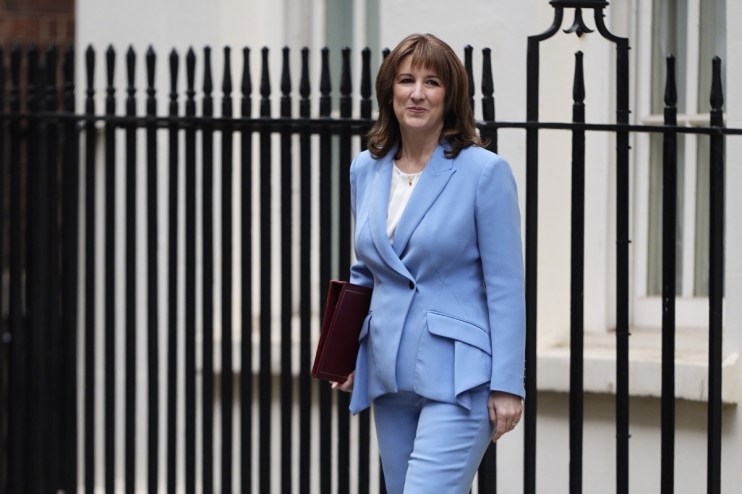
In its latest report, the OECD scolded the UK for its illogical and growth-impeding tax system. Ali Lyon speaks to five tax experts to work out how to fix it.
Potato crisps and their corn chip cousins are – as indulgent savoury snacks go – undeniably similar. They taste alike and are a similar size. Neither is particularly healthy. And both are undoubtedly best enjoyed with hummus or a salsa dip.
But for all their outward similarities, the two crunchy nibbles are worlds apart in the eyes of Britain’s overzealous tax authority. According to HM Revenue and Customs (HMRC) rules, the humble potato crisp counts as an item of confectionery, meaning any packet of Kettle or Walker’s ready salted is – without fail – subject to a 20 per cent VAT charge. Its corn-flour cousin, on the other hand, is potato-less, and thus is free from consumption tax entirely. To pick Doritos over Hula Hoops in the supermarket, therefore, is to engage in an act of highly petty, totally legal tax avoidance.
This illogical quirk – and a swathe of other overly complex vagaries of the UK’s tax system – was singled out in a recent report by the OECD, titled Foundations for Growth and Competitiveness. In it, the economic body took aim at the countless examples of “inefficient and regressive reliefs” from VAT that the Exchequer permits at an ostensibly random level – like the difference between corn-based crisps and potato chips.
The two savoury snacks are not alone when it comes to irrational consumption tax rules. Rotisserie chickens (VAT) are taxed more than cold chicken (no VAT). Loo roll, a household essential, attracts the full 20 per cent levy, while – on account of it being a food – caviar does not. And then, of course, there is the age-old, increasingly tiresome debate over whether a Jaffa Cake is – as its name suggests – a cake (no VAT) or a biscuit (VAT).
The paper’s authors blasted the sheer number of these distortions, loopholes and exemptions in Britain’s tax framework, which, they argued, “do not serve economic or social objectives”. And they concluded by urging Rachel Reeves’ Treasury to announce a full-scale review of the UK’s current tax system.
The report will have been music to the ears of the British tax and audit experts who care about deeply the health of the UK economy, many of whom have long argued Britain’s thorny tax system is ripe for root-and-branch reform.
The UK tax code – the definitive tome outlining out the phalanx of rules dictating when and on what a levy kicks in – is believed to be the longest of its kind in the world. The latest iteration of the vast tax opus tips the scales at some 21,000 pages long. In other words, if you were to print every page of the unwieldy document and lay them in a row, the paper trail would be a shade shorter than 15 Shard buildings stacked on top of one another. Or seven and a half Burj Khalifas.

Fixing VAT and income tax perversities ‘a commendable start’
The sheer number of rules – British wonks’ argument goes – combined with the innumerable cliff edges and irrational thresholds, act as a leech on economic growth, disincentivise investment and work, and is a core reason behind why productivity in the UK has fallen since the pandemic.
“The OECD report has much to commend it,” said Capital Economics’ Ruth Gregory. Particularly encouraging, she added, was its suggestions to “broaden out the VAT base by phasing out exemptions”, including one presumes, the aforementioned the crisp quirk.
Doing so, however, does risk causing “an initial boost to inflation” to which lower-income households would be particularly vulnerable. But that could be mitigated by reducing the standard rate of VAT across the wider range of goods, and offering handouts for those on the lower rungs of the socio-economic ladder.
Equally promising, Gregory said, was the organisation’s call for ministers to “broaden out kinks in the income tax schedule”. The most famous of these is arguably the fabled, and much-feared, £100k tax trap; a bizarre quirk whereby a Brit earning six figures is taxed at an effective rate of over 60 per per cent on all income between £100,000 and £125,000.
A combination of the personal allowance reducing gradually once one’s wage reaches six figures – and the loss of other taxpayer-funded support like discounted childcare – has given rise to a wave growth eroding behaviours. Some workers are contributing more to their pension to stay below the cliff edge. Others are postponing bonuses. And there even is a not insubstantial cohort who are working fewer hours – and turning down pay rises – just to stay below the £100,000 threshold.
NICs and Income: Two taxes for the price of three
There are a host of other changes that experts believe should be made to the unwieldy code. Both James Quarmby, a founding partner in Stephenson Harwood’s wealth practice, and RSM tax partner Chris Etherington, home in on the outdated National Insurance system, which, in Quarmby’s eyes “is a complex mess that no-one understands”.
Not only does the levy come out of paychecks on top of income tax – serving an almost identical purpose – but it is headscratchingly complicated, with four classes each different based on whether you are an employer, employee, or self-employed.
To Quarmby, the solution lies in having one rate of national insurance for both employees and the self-employed, with an exemption for staff under 25 to encourage youth employment. Etherington, meanwhile is even more ambitious, calling for it to be merged entirely with the simpler income tax.
“There is now very little reason to have two separate taxes on income and it could encourage tinkering with the NIC rules, as they are less well understood,” he told City AM. Merging the two could help keep things crystal clear for taxpayers so they have a better understanding of the impact tax has on their take-home pay.”

How should we change property and corporate taxation?
For Tax Policy Associates’s Dan Neidle, Treasury ministers should first tackle the all-too-complex and often senseless list of corporation taxes.
The current set-up for companies is full of “insane complexity”, he argues, “which makes the UK less competitive than Italy, Sweden, even Greece… all countries with higher rates of tax but saner systems.”
One especially egregious culprit pertains to the way VAT is levied on small businesses. Unlike most taxes, which kick in at a threshold and only apply to the amount above it, once a small business generates more than £90,000 a year, they are made to pay a VAT bill on all their liable earnings.
Businesses are therefore incentivised not to grow. Taking the example of a cafe, its owner might opt to keep their shop shut more days a week, or choose not to expand into a new premises to prevent being hit by a surprise VAT bill.
Former Bank of England chief economist Andy Haldane, meanwhile, believes the way we tax property is ripe for an overhaul. In his eyes, the “complex and regressive” system of housing taxation should be replaced by a single flat rate land value tax.
Britain’s council tax bands were last evaluated in the 1990s and differ vastly between local authorities. The upshot? A two-bedroom house in Blackpool is more than likely to be on the hook for a bigger property tax bill than Buckingham Palace.
And what solutions might make sense? Robert Salter, a director at audit shop Blick Rothenberg, proposes tax reliefs for individuals who organise professional training on their own dime.
“Whilst employer provided training can be tax free, an individual employee paying for their own training typically gets no relief and that seems unfair and ‘punishes’ someone trying to build their career,” he said. “In effect it punishes ambition.”