Exclusive: Mayors can use tourist tax to ramp up borrowing, Burnham tells business
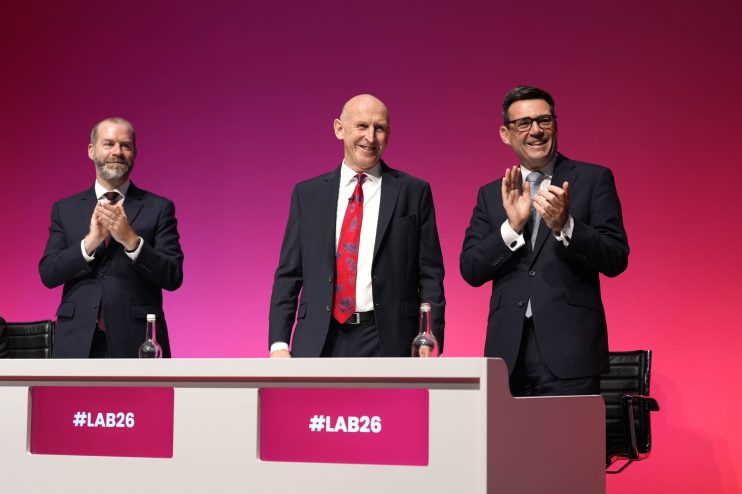
Andy Burnham has looked to justify his new uncapped “tourist tax” to business chiefs by claiming it will allow mayors to ramp up borrowing, City AM understands.
In various meetings at Labour’s Business Day, top business groups were told by ministers the so-called overnight stay levy will let mayors take on more debt and use it to invest in infrastructure and other public assets.
The talking point represents a new strategy from top ministers to ease concerns about the growth impacts of new costs for tourists.
But City AM has learned that hospitality bosses are set to warn banks against offering mayors loans amid concerns that future governments will scrap the tax and leave authorities without the cash needed to repay them.
Tourist tax as a ‘lever’
The holiday tax was announced by the former Sir Keir Starmer government as part of efforts to devolve powers to city authorities and give metro mayors greater control over funds generated locally.
Hospitality bosses hit out at the government after it was announced earlier this month that the levy would have no upper cap and would be charged as a percentage of the cost of accommodation, rather than a flat fee. Hoteliers blasted the “significant” tax burden it would place on customers.
Bosses privately warned ministers this week the move will have a damaging effect on tourist numbers and the hospitality industries, sources involved the discussions said.
On Monday, top ministers including Andy Burnham and business secretary Jonathan Reynolds looked to reset the narrative by arguing that the policy would boost growth locally.
Shevaun Haviland of the British Chambers of Commerce said the topic came up “unprompted”.
Business chiefs said there was little clarity on how the extra tax receipts could be used to back up extra borrowing.
‘Bad credit decision’
During a discussion panel hosted by the London Chamber of Commerce and Industry and the Institute for Public Policy Research (IPPR), London’s deputy mayor for business Howard Dawber said being able to borrow against future revenues could allow the city to extend the Bakerloo Line without demanding funds from the government.
He said mayors did not currently have the “levers” to issue bonds or use tax increment financing, which are future property tax increases used to pay for local infrastructure projects. The Elizabeth Line was partly funded by financing from levies on some properties.
Dawber added that “true devolution” meant “London can just be London”.
Hospitality bosses said mayors should steer clear from borrowing more. Allen Simpson, chief executive of UKHospitality, said he would write to banks to “remind” them that both the Tories and Reform UK have pledged to scrap the levy.
Allen Simpson, Chief Executive of UKHospitality, said: “Lending against a holiday tax would be a bad credit decision.
“No loan or bond issued against it can be considered safe, given the very real possibility that the tax revenues could simply disappear and lead to default.”
A government spokesperson said: “Mayors and local leaders have been given this new power as part of a historic devolution drive that shifts power out of Westminster and into local hands.
“All funds raised from the levy will be invested in the local economy, from high streets to public transport and events that boost tourism and drive good growth – benefitting visitors, businesses and local people.”