Exclusive: Criticised World Cup referee was suffering extreme heat strain, data shows

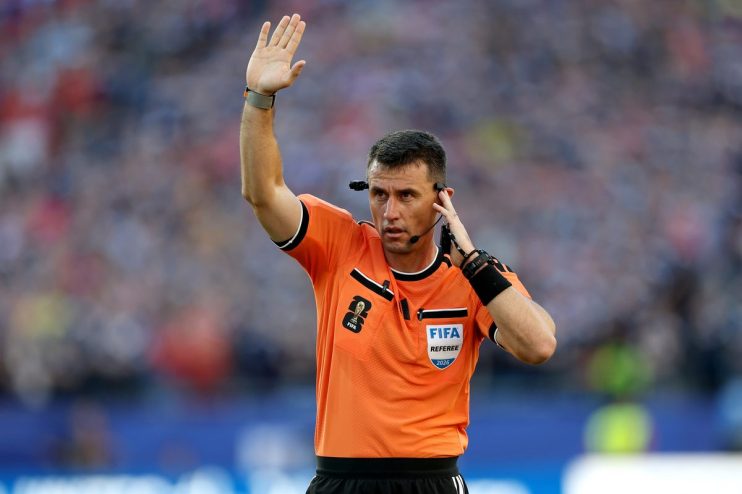
A Fifa referee labelled the worst at the World Cup was experiencing a level of heat strain associated with impaired decision making, new data has revealed.
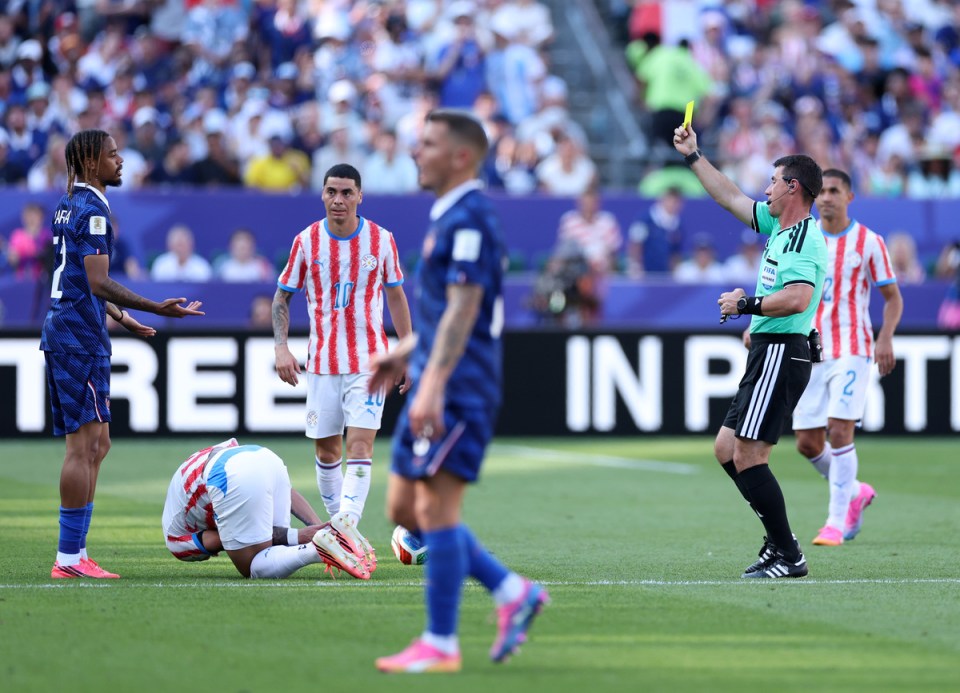
Uzbek official Ilgiz Tantashev was widely criticised for his handling of France’s last-16 win over Paraguay, who escaped without any bookings despite committing repeated violent fouls.
French outlet L’Equipe gave Tantashev a 1/10 rating and BBC pundit Thomas Hitzlsperger called it “the worst performance I’ve seen so far at this tournament”.
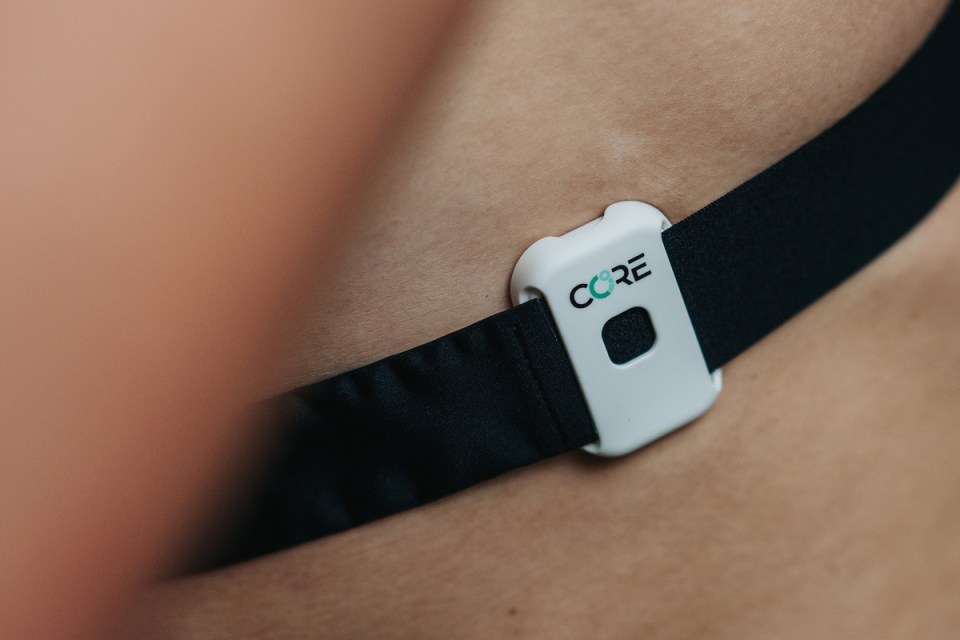
A factor in his decision making may have been the heat, however, according to wearable tech maker Core, which monitored the ref’s thermal data during his three World Cup matches.
It found that Tantashev’s core temperature peaked at 39.3C and his Heat Strain Index (HSI) score was 6.7/10 for the France v Paraguay fixture. A HSI score of 3 is rated as “high”, while 7 or above is “dangerous”.
Academic research has shown that heat can affect perception, attention and anticipation and that in such conditions footballers make bad on-field decisions more frequently.
“The referee’s Heat Strain Index climbed to a level associated in published research with reduced reaction time and impaired decision-making,” Core chief commercial officer Ross McGraw told City AM.
“That’s not a comment on any individual official, or a criticism of any one match or any one decision. It’s a data point that should worry anyone thinking about how football protects the people running the game, and whether the sport’s duty of care is actually covering everyone on the pitch.”
How ref Tantashev used Core to monitor heat data at World Cup
Tantashev partnered with Core to optimise his heat training before the tournament. During the World Cup he wore a sensor connected to a smart watch to monitor his data in real time.
The data also indicated that climatic conditions, rather than distance covered, were the biggest driver of heat strain. France v Paraguay was played in 34C at 5pm and produced a far higher HSI score compared with games in which Tantashev ran 900m more but in cooler weather.
“This goes beyond a sport story,” McGraw added. “Harvard and George Washington University researchers analysed 845,000 workplace injuries from 2023 and linked roughly 28,000 of them to heat exposure – across both outdoor and indoor jobs.
“Their lead author was explicit that this isn’t only heatstroke: it’s hand-eye coordination, attention, memory, and judgment breaking down before anyone calls it a heat injury.”
Tantashev’s other World Cup games were Scotland’s 1-0 defeat by Morocco in Boston, a 6pm kick-off in temperatures of 24-27C, and the 3-3 draw between Algeria and Austria, which took place at 9pm in Kansas City as temperatures cooled from 29C to 20C.
Said McGraw: “We all saw the headlines about heat and impact on players. The cooling tech, heat training, hydration breaks, but what about the referees?
“We have worked with many top athletes and teams to prepare for extreme heat conditions, but even the Core team was blown away by the heat strain the referees faced in the World Cup.”
Core’s data showed that hydration breaks – controversially introduced for all matches at the 2026 tournament – did not significantly reduce Tantashev’s heat stress levels, although the lack of control data for comparison makes it difficult to draw conclusions.