Easyjet proves too tempting a bargain for gatecrasher Apollo

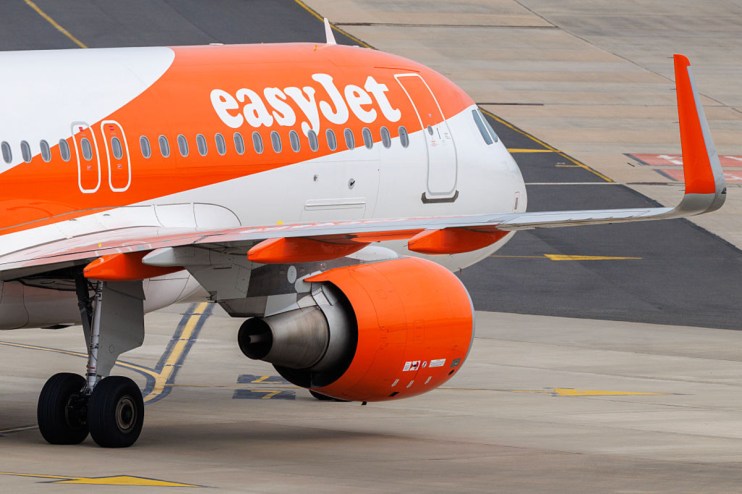
Apollo has gatecrashed Castelake’s cut-price Easyjet bid – setting up a potential buyout behemoth battle for the skies, writes Ali Lyon,
Stelios Haji-Ioannou, the colourful force behind London’s Easyjet, founded his low-cost carrier on a simple philosophy: promise travellers cheaper fares, and open up budget air travel for millions of customers who for decades had been priced out of regularly going away by plane.
It has, it is safe to say, been a proposition that has worked. Easyjet went from plucky upstart to venerable aviation giant in short order. It listed in London in 2000 – chopping in and out of the FTSE 100 from 2013 onward – and is, at the time of writing, Europe’s fifth largest airline by passenger numbers.
But after more than a quarter of a century on London’s now-beleaguered bourse – a period that saw it weather a global pandemic, a hot war on the European continent and the largest financial crash in modern history – Stelios’s orange-liveried airline looks set to leave.
The destination – as of Friday – will be Apollo’s vast private equity portfolio, after the American buyout giant trumped an earlier succession of bids from alternatives investor Castlelake with a £5.7bn offer, leaving City watchers agog. The reason? Having reliably offered travellers some of the cheapest plane tickets in Europe for over 30 years, Easyjet has become a too-good-to-turndown low-cost offering, itself.
Iran war leaves Easyjet vulnerable
The Iran war, and the painful chokehold the Tehran regime has had over the Strait of Hormuz shipping lane, has sent the cost of kerosene sky high. Prices of the jet fuel more than doubled in the aftermath of the war. And while most airlines had hedged a lot of their supplies for the rest of the year, ever-cyclical airline stocks plummeted across the board.
Before news of Castelake’s interest first emerged, Easyjet’s shares had fallen by more than a third, leaving the carrier in a tricky financial position. Despite boasting a robust balance sheet relative to most of its peers, solid free cash flow and ambition to reach £1bn profit in the medium-term, its share price suggested the airline was worth less than market value of its fleet of planes and expensive take-off slots at European hubs. And that’s not even to put a price on the distinctive, easily recognised Easyjet brand, painstakingly built for more than three decades.
Naturally, such an obvious arbitrage opportunity was too appealing for the ever-watchful buyout industry to ignore. And last month, Castlelake, a Minneapolis-headquartered asset manager with a rich pedigree in aviation investments, swooped on the airline with a lowball £3bn approach.
That and three other offers were roundly rejected by the airline’s board before, on Sunday, the two parties landed on a £5.2bn price tag with which they were both were content. The deal valued Easyjet at 690p a share, considerably higher than Castlelake’s initial bid. It was also more than the market value of Easyjet’s constituent parts, but it remained short of the 700p per share for which some investors – who spoke to City AM on the condition of anonymity – were holding out.

Apollo bid sets up bidding war
Apollo’s £5.7bn offer – at 715p per share – is the right side of that psychological barrier and drove a coach and horses into a deal that, for all but the formalities, looked sewn up. According to the Easyjet board, the New York-based finance juggernaut’s tilt at the airline “represents a superior outcome to shareholders” than Castlelake’s. It added it was “minded to accept” the offer, should Apollo submit the same terms formally.
One major hurdle that Apollo now faces is the European Union ownership rules, which maintain that all European airlines must be majority owned by Europeans. In its update on Friday, the investor has said it will take “all necessary steps” to satisfy the EU’s conditions.
Castlelake, for its part, had lined up aviation veterans Peter Bellew and Mark Breen – both European nationals – to act as owners of a shell company that would be granted majority control of the airline. Apollo may pursue a similar route, though detail on how it plans to do so has not yet been forthcoming.
There is nothing to suggest either way whether Castlelake has the appetite to go again. Bound by stock exchange rules, the buyout firm, which despite boasting $38bn under management is a veritable minnow next to Apollo, was tightlipped when approached by City AM. But the battle could start the firing gun on an almighty arm-wrestle for the carrier, which has long been seen as a takeover target.
Analysts like Saxo’s Neil Wilson and Bloomberg Intelligence’s Conroy Gaynor certainly think there could be more road to run. The travel group has a lot going for it: it boasts a growing – and highly profitable – travel arm, those expensive slots, and management remains convinced it will reach that billion-pound-profit target before long.
Under stock market rules, Castlelake has until 3 August to make a formal offer, while Apollo has an extra four days. Whether Castlelake comes back with another bid is yet to be seen.
What we can be more sure of, though, is a takeover will mark another sorry loss for London’s increasingly bare bourse.