Does the Range Rover Sport Electric have the harder job?

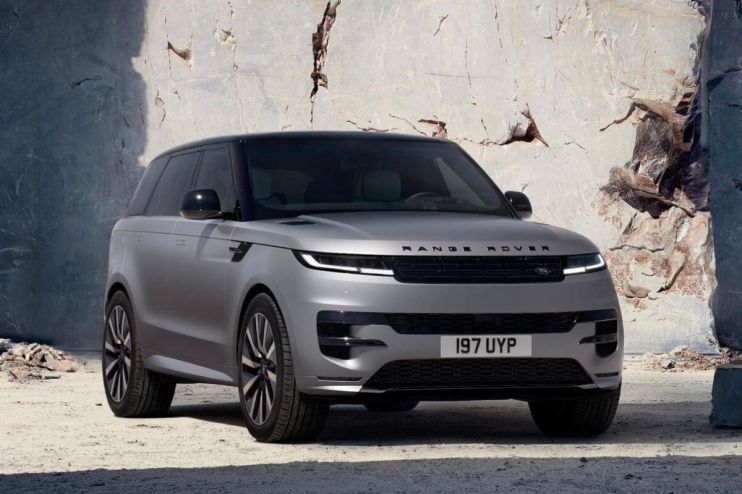
The full-size Range Rover Electric has the ultra-luxury EV market largely to itself. The cheaper, sportier Range Rover Sport Electric faces a far bigger fight, and JLR needs it to win.
It has been quite a week for JLR. Jaguar finally revealed its £130,000 Type 01 in New York on Tuesday, but the car that matters far more to the group’s balance sheet went on sale a few days earlier. Range Rover has been JLR’s profit engine for years, cushioning everything from Jaguar’s sales collapse to this summer’s job cuts. In the three months to June, Range Rover, Range Rover Sport and Defender made up more than 80% of the cars JLR shipped, so the new Range Rover Sport Electric has to prove that the group’s most important brand can keep the money coming without an engine.
That’s a tougher job than it sounds, because the two electric Range Rovers share a great deal of engineering but sit in very different parts of the market. The full-size Range Rover Electric costs upwards of £150,000 and has very few obvious rivals, while the Sport Electric starts at £109,810 and lands in a far more crowded corner, where Porsche, BMW and Mercedes all have big electric SUVs chasing the same buyers.
Range Rover Sport Electric price and specs
The Sport Electric opens with the Dynamic SE at £109,810, with the Autobiography at £122,780 and the launch First Edition at £126,290, and orders are open now.
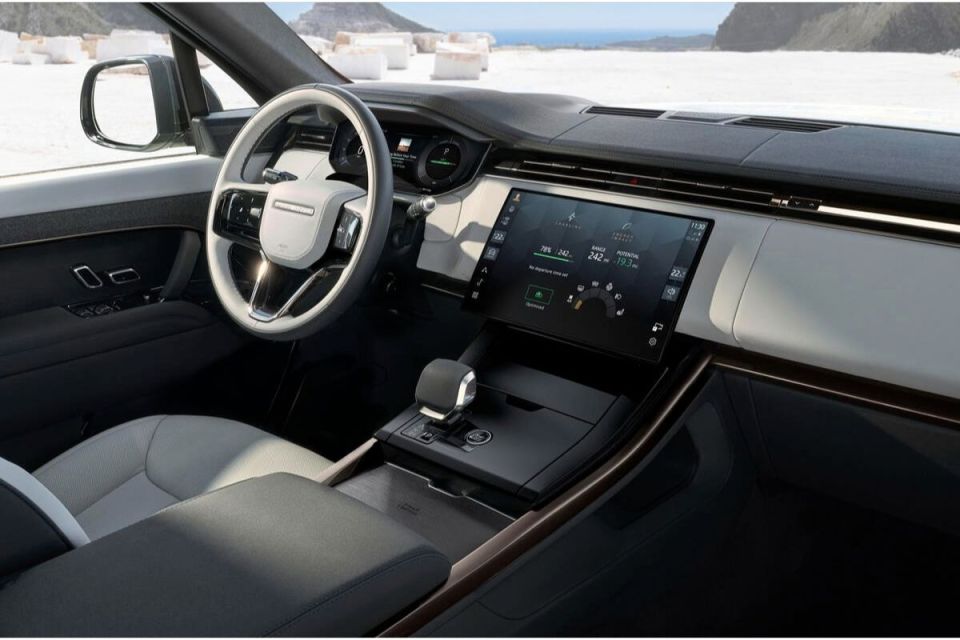
The core ingredients come straight from the bigger car. A motor on each axle produces a combined 550bhp, powered by a 118.5kWh usable battery on an 800-volt system, and Land Rover claims a 10 to 80 per cent charge in 22 minutes on a suitable 350kW charger. Official range is 374 miles, two more than the full-size Range Rover Electric, although Land Rover itself quotes around 333 miles for real-world driving. That’s a refreshingly frank figure from a car maker, and probably the one to plan around.
How is the Range Rover Sport Electric different?
Land Rover has given the Sport its own chassis set-up to make it feel more agile than its bigger sibling. The full-size Range Rover Electric drops its active anti-roll system, because the heavy battery lowers the centre of gravity enough that the body leans less on its own, and losing the hardware saves weight, cost and energy. The Sport keeps it, alongside air suspension with twin-valve dampers, four-wheel steering and software that shuffles power between the axles.
Land Rover says the structure is 61% stiffer than previous Sport models, with a centre of gravity 73mm lower than the petrol and diesel versions. With 550bhp and well over two tonnes to manage, all that hardware has plenty of work to do.
What is the Range Rover Sport Electric like to drive?
We haven’t driven it yet, and the press won’t get behind the wheel of production cars until later in the year. A handful of outlets have tried prototypes, though, and the early signs are good. Evo found the four-wheel steering gave the Sport the agility a car this size needs, turning tightly at low speed while staying composed, and said the instant torque made tricky off-road obstacles smoother and less fraught than in the combustion versions. PistonHeads came away describing a car that felt quicker to turn and lighter on its feet than you’d expect, and impressively capable off the tarmac.
Those were short drives in prototypes, so we’d call them encouraging and leave it there until we’ve driven one ourselves. They do suggest Land Rover has managed the trick it needed to, making a heavy electric SUV feel smaller than it is.
If you’re thinking of selling your car, or just want to know what it’s worth, get a free car valuation with Regit in a couple of minutes.
Range Rover Sport Electric vs Porsche Cayenne Electric
The Porsche Cayenne S Electric is where the Sport’s job gets hardest. It starts at £99,900, around £10,000 less than the Range Rover, it claims more range at up to 405 miles, and as PistonHeads pointed out, it’s half a second quicker to 62mph. Porsche also has the stronger reputation among performance-minded buyers, and the base Cayenne Electric undercuts the Range Rover by even more.
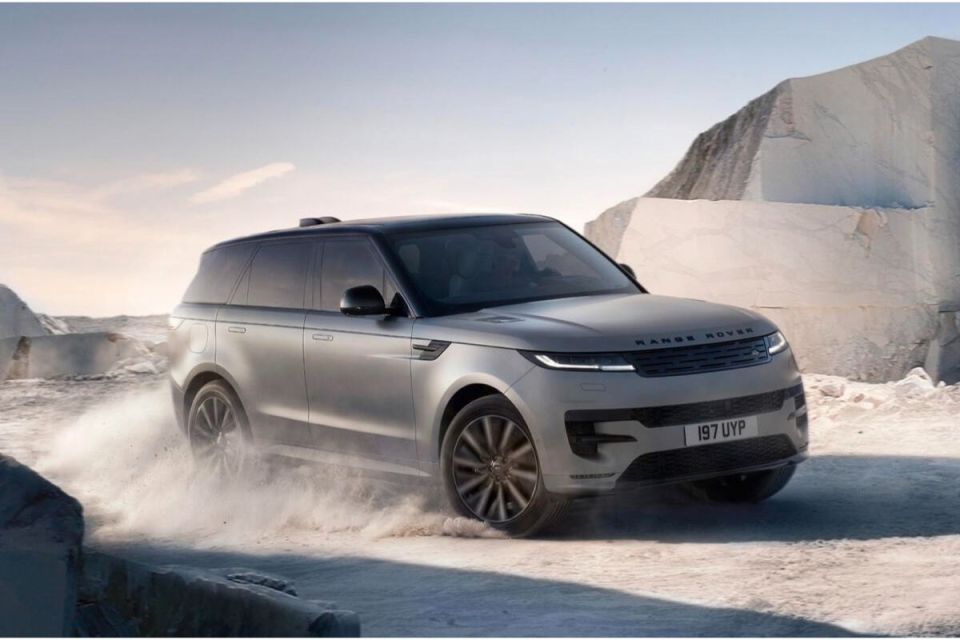
Land Rover’s answer is the Range Rover name, which Porsche can’t copy, and everything that comes with it, including proper off-road ability. Electric motors suit rough terrain because they deliver their torque instantly and can be controlled very precisely, and the Sport Electric keeps the hardware and software that set a Range Rover apart. Most of these cars will spend their lives outside schools, offices and restaurants, a long way from any muddy hillside, but knowing your car could cope is a big part of why people buy into the Range Rover idea in the first place.
Why going electric is a big test for Range Rover
Chris Ashton-Green, founder and chief executive of motoring platform Regit, thinks a lot is riding on this, but he’s backing Range Rover to pull it off. “Range Rover is arguably the most iconic British car still being made, and it’s one of the real shining lights of British motoring,” he says. “Going electric won’t be easy, but I think it has every chance. People buy a Range Rover for the name, the history and what it says about them, and JLR has spent decades building that up. Swapping the engine for a battery doesn’t take any of that away, and if anything, the quietness adds to the overall feel of luxury. I think people will really buy into it.”
The challenge is real, though, because other premium brands have found the switch painful. The Porsche Taycan has become the cautionary tale, with US pricing data suggesting it can lose around 55 to 60 per cent of its value in five years. When you’re spending six figures on a car, what it’s worth when you sell it matters almost as much as how it drives, and steep depreciation has put plenty of luxury buyers off going electric.
The good news is that the market looks to be turning. Motorway’s latest National Car Index found that used EV sales on its platform more than doubled this summer compared with the same period last year, with the average price sellers received up 6%. If used electric car values keep firming up, one of the biggest reasons to hesitate over a £110,000 EV starts to fade, and that could be very good timing for the Sport Electric.
Range Rover Sport Electric pros and cons
What’s good – Range Rover luxury and badge appeal in a more agile package – Fast 800V charging, with 10 to 80 per cent in a claimed 22 minutes – Keeps the off-road ability rivals can’t match – Land Rover quotes a realistic real-world range alongside the official figure
What’s not – Around £10,000 more than a Porsche Cayenne S Electric – The Porsche goes further on a charge and is quicker to 62mph – No production-car drives yet, only short prototype tests – Luxury EVs have a history of heavy depreciation
Range Rover Sport Electric verdict
The full-size Range Rover Electric can charge a premium simply for being the biggest, most imposing electric Range Rover you can buy, while the Sport Electric has to justify costing more than a quicker, longer-range Porsche. That makes its job harder.
We think it will manage it all the same. Range Rover luxury, real off-road ability and a chassis built to make 550bhp feel manageable is a combination nobody else offers at this price, and plenty of buyers will happily pay £10,000 more for the badge alone. For JLR, at the end of a week when it bet Jaguar’s future on a brand-new car, the Sport Electric is a timely reminder of where the money really comes from, and it looks well placed to keep it coming.