Britain to offer visa refunds to woo tech scale-ups

The government will reimburse visa fees for high-growth firms hiring overseas talent as ministers step up efforts to turn Britain’s most promising scale-ups into global tech champions.
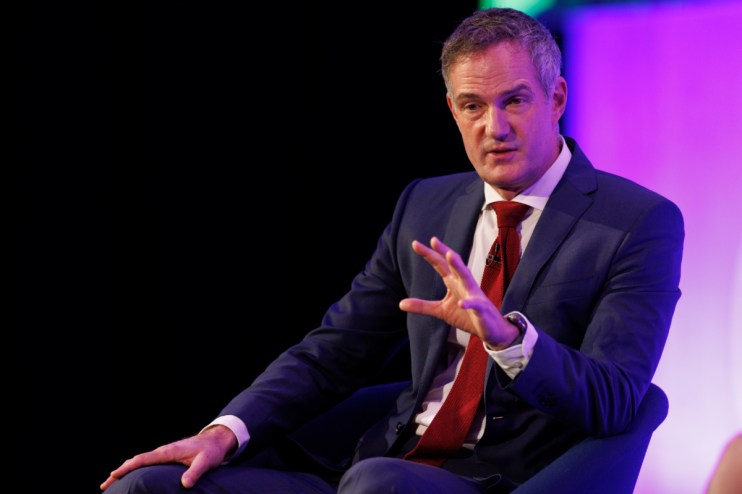
Business secretary Peter Kyle is set to unveil a package of measures aimed at helping fast-growing companies “start, scale and stay” in the UK, including a new concierge-style service for founders and refunds on visa application costs incurred by firms in sectors such as tech and life sciences.
The move comes as policymakers intensify double down on efforts to tackle one of the biggest challenges facing Britain’s innovation economy: attracting and retaining top talent whilst ensuring successful startups do not relocate overseas as they scale.
“If we want the next generation of world-changing firms to be built in Britain, we must make Britain the best place in the world not only to start a company but, crucially, to scale one,” Kyle announced on Tuesday.
The visa reimbursement scheme, due to be formally unveiled later this week, will allow qualifying firms to reclaim visa costs they have covered for employees, which can range from £819 to £1,865 per worker.
Alongside this measure, the government will launch a bespoke “concierge service” designed to help founders navigate barriers to growth, from regulation and procurement to access to finance and international talent.
The initiative forms part of a broader push by ministers to nurture what Kyle has repeatedly described as Britain’s potential first trillion-dollar company.
Charlie Fowler, partner in Collyer Bristow’s Immigration team and Trusts, Tax and Estate Planning team said: “The uptake of Scale-Up visas has been pretty underwhelming in recent years, while the costs associated with sponsoring overseas workers have continued to rise.”
“Refunding application fees would be a step in the right direction, although simply scrapping fees altogether for applications to tech firms would be more attractive still.”
Talent battle intensifies
Research published this week by consultancy Cebr and specialist recruiter SThree warned that a modest two per cent decline in technology graduates could wipe £14.5bn from the sector’s projected economic contribution by 2035.
And at the same time, employers continue to report acute shortages of AI and digital skills. Separate research from AWS found nearly half of UK businesses now view a lack of AI talent as the biggest obstacle to scaling the technology.
The government is betting that easier access to global talent can help plug some of those gaps, with ministers expanding the Global Talent visa programme earlier this month, allowing more research organisations and tech businesses to fast-track leading engineers and specialists into the UK.
The focus on international talent mirrors concerns raised by London Mayor Sadiq Khan during London Tech Week, where he argued that Britain’s competitive advantage ultimately rests on its ability to attract skilled workers.
“Our USP is our talent pool,” Khan told City AM. “Talent is very mobile. You could go anywhere. You could go to Lisbon, you can go to Milan, you can go to London, you can go to Silicon Valley. Why London? That’s why the offer’s got to be good.”
Khan added that while London benefits from one of the world’s strongest university ecosystems, policymakers must also maintain “a good, sophisticated immigration policy” if Britain wants to compete with rival innovation hubs.
The government hopes the new support package will help ensure companies such as Wayve, Quantexa and Oxford Quantum Circuits can continue scaling from British soil rather than seeking support abroad.
Scale-ups already play an outsized role in the economy despite accounting for less than one per cent of UK businesses, generating £2.2tn in turnover and employed 3.9 million people in 2023.