Bezos calls taxing low-paid Amazon workers ‘absurd’

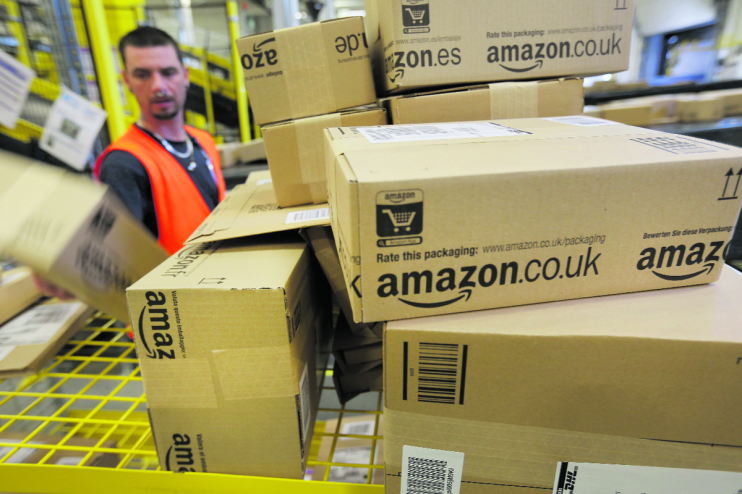
Jeff Bezos has said low-paid Americans should pay no federal income tax, describing the idea of taxing some Amazon workers as “absurd”, as the billionaire founder renewed his criticism of the US tax system.
Speaking to CNBC on Wednesday, Bezos said the “bottom half” of US taxpayers should pay zero federal income tax, arguing the burden on lower earners had become too severe.
“There’s something very powerful about zero”, Bezos said.
Using the example of a “nurse in Queens” earning $75,000 a year, Bezos questioned why lower-income workers were paying more than $1,000 a month in taxes while struggling with rent and groceries.
“How about we start by having the nurse in Queens not paying taxes?”, he said.
Bezos later pointed to Amazon employees in the capital earning around $50,000 a year, calling the idea of taxing them “absurd”.
The Amazon founder, whose fortune is estimated at more than $200bn, said increasing taxes on billionaires would do little to solve broader economic inequality in the US.
“I pay billions of dollars in taxes and if people want me to pay more billions, then let’s have that debate”, Bezos said. “But don’t pretend that that’s gonna solve the problem”.
Amazon’s own tax record faces renewed scrutiny
Bezos’s comments are likely to reignite scrutiny over Amazon’s own tax affairs, which have long drawn criticism from politicians and campaigners.
In 2018, Amazon paid no federal corporate income tax in the US, despite reporting over $11bn in profits, instead receiving a federal tax rebate worth $129m through a combinaation of tax credits and deductions.
Critics like firebrand socialist Senator Bernie Sanders accused the Big Tech of benefiting disproportionately from corporate tax loopholes introduced under Trump’s 2017 tax reforms.
Amazon has consistently defended its tax position, saying it pays all taxes legally required in every country where it operates and pointing to billions spent on investment and job creation.
Bezos also critiqued politicians for “picking a villain and pointing fingers” rather than addressing deeper structural economic problems.
His intervention comes amid growing debate in both the US and UK over how tax systems affect lower earners and self-employed workers.
In the UK, recent HMRC-linked figures showed lower-income self-employed workers are almost twice as likely to miss tax return deadlines as higher earners, often due to financial pressure and limited access to support.