Bank of England holds interest rates but warns of rises to come

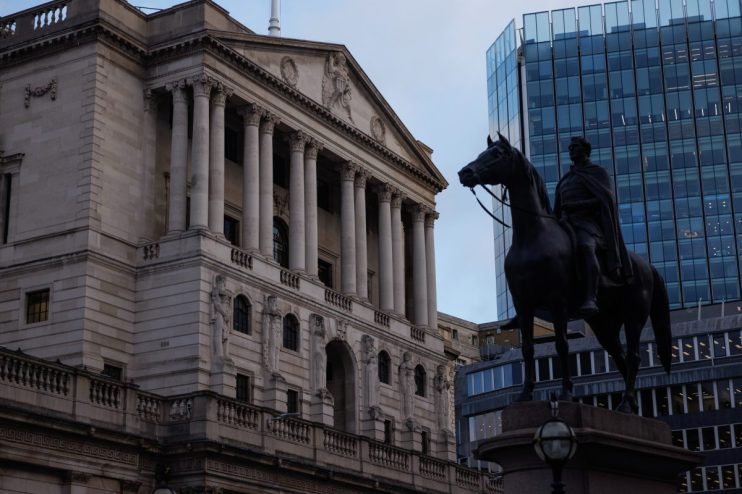
The Bank of England has opted to hold interest rates at 3.75 per cent after the UK economy surprised economists with better results for inflation – though policymakers warned that “policy strategy could change” ahead of a difficult second half of the year for price stability.
The Monetary Policy Committee (MPC) held interest rates in a split 6-3 decision on Thursday, with the economist Catherine Mann joining fellow external member Megan Greene and the Bank’s chief economist Huw Pill in voting for a 25 basis point hike.
Officials said recent data showing that inflation had eased to 2.6 per cent offered the Bank some relief and allowed the MPC to stick to current monetary policy.
Minutes from the MPC’s latest meeting on setting interest rates said those voting for interest rates to be held believed “policy strategy could change” if inflation rose above expectations due to a re-escalation in conflict across the Middle East.
The Bank forecasts inflation to remain at around 3.2 per cent in the early parts of 2027 before falling back to the target rate by the end of the year.
Rate-setters warned that renewed trade disruption across the Gulf region could keep energy prices higher for longer, feeding into higher inflation and encouraging workers to bargain for higher wages.
Disruptions at oil and gas refineries across the world, problems arising across key suppliers due to heatwaves and shortages in AI hardware could add to risks facing the UK’s inflation path, it was also noted.
Bank holds steady on interest rates
The Bank’s decision to hold interest rates is in line with market expectations, although some City banks had expected only two members in the nine-person committee to back a hike. Mann said the key factor influencing her decision was the breakdown in relations between the US and Iran after countries had agreed a ceasefire to the Iran war last month.
Governor Andrew Bailey, who said it was “too early” to conclude that the UK was set for a long period of high inflation, said he was focused on getting consumer prices to stabilise at two per cent growth, as per the target rate mandated to the Bank.
“Inflation has fallen faster than we’d expected, but the conflict in the Middle East continues to mean high and volatile energy prices,” Bailey said. “That will cause inflation to rise again later this year.”
“However the conflict unfolds, our job is to make sure any increase in inflation is temporary.”
The Bank raised alarm on so-called “second-round effects”, where higher inflation and wage growth spiral beyond control. Under a central scenario where oil prices level out at around $70 per barrel, these effects may only add around 0.2 percentage points to consumer price index (CPI) inflation.
Bosses are expected to settle pay packages with employees at the beginning of next year, around the time where inflation is expected to peak.
In a separate more “adverse” scenario, should oil prices rise to $100 per barrel again and fall back more slowly, inflation would peak at 4.5 per cent.
Officials said the MPC would likely opt to hike interest rates under such a scenario. In April, one scenario suggested there would be six interest rate hikes if oil prices hovered around $130 per barrel.
But higher yields for UK government bonds, representing a rise in market interest rates and pushing up borrowing costs, had also slowed price growth in the UK. Bailey indicated that market curves “are weighing on any nascent inflation pressures”.
The energy price shock from the war in the Middle East is also not expected to heavily affect growth prospects. Growth this year is predicted to be 1.1 per cent even in a more adverse scenario where oil prices spike again while unemployment is projected to peak at around 5.3 per cent under the central judgment.
However, underlying growth in the UK economy is expected to slow later this year as businesses struggled to build momentum.
Forecasts took account of Prime Minister Andy Burnham’s early policy announcements on stripping VAT from energy bills and capping bus fares at £2, though policies were set to have a small impact on reducing price growth.